• No products in the cart.
Back to top

ARCHITECT WAKATOBI

The architect you work with in Wakatobi needs to understand UNESCO Biosphere Reserve obligations, reef-sensitive material selection, and what it takes to build to a standard that belongs alongside the single luxury benchmark the island group already has. The studio works with clients across Wangi-Wangi, Kaledupa, Tomia, and Binongko who are ready to be the second project at that level.

About The Studio

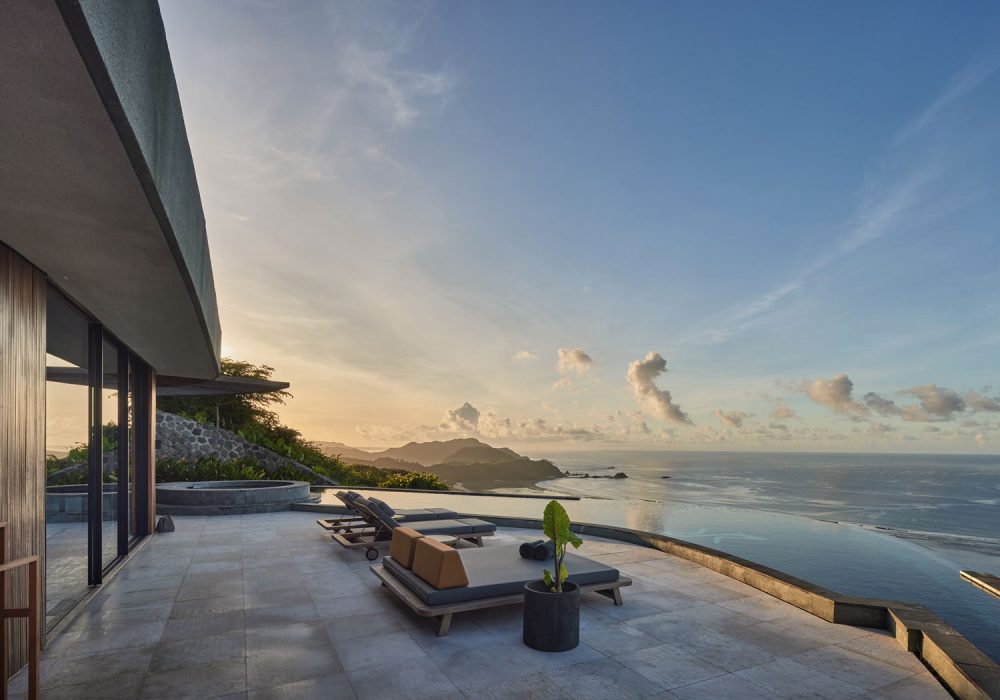
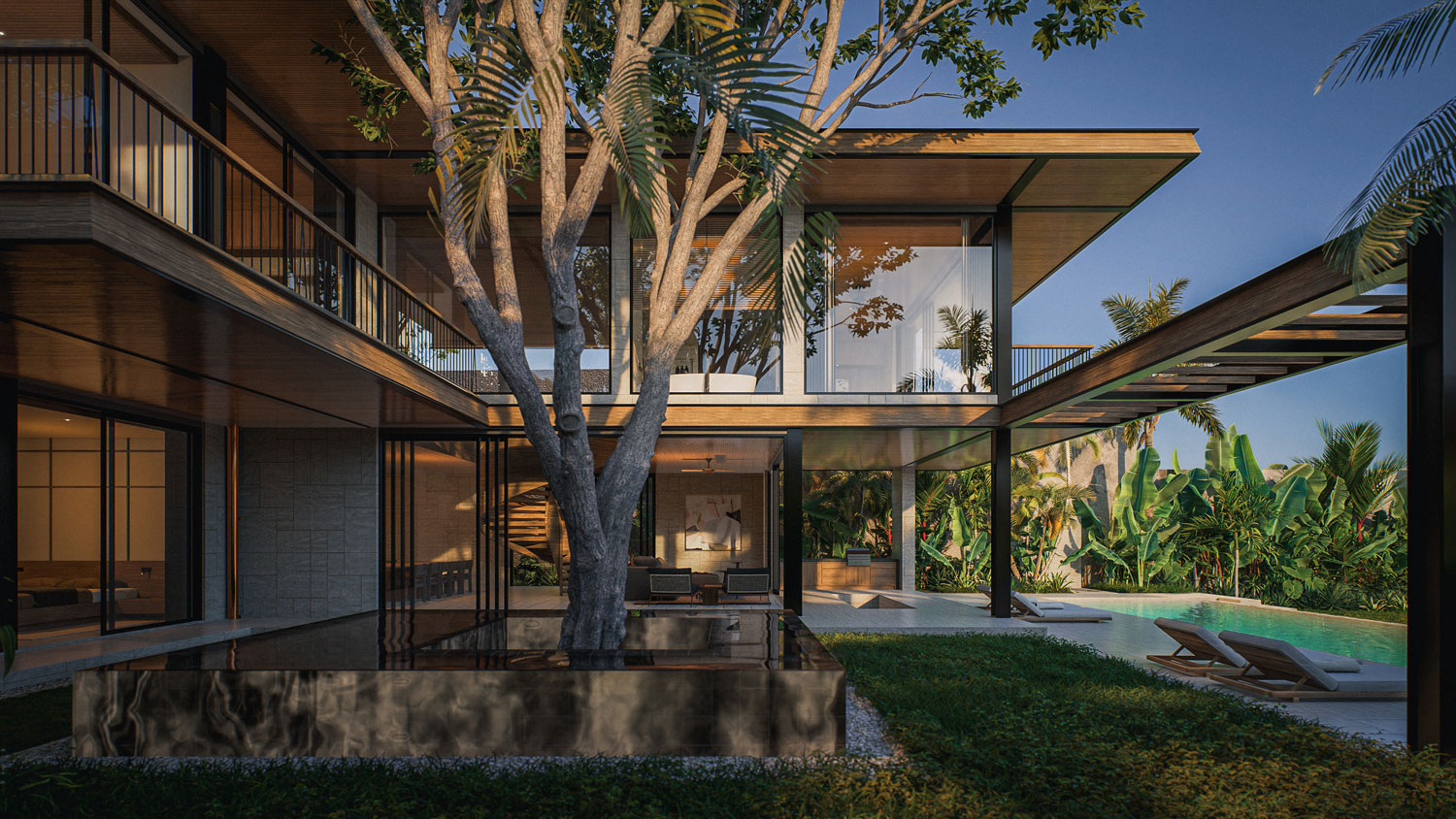
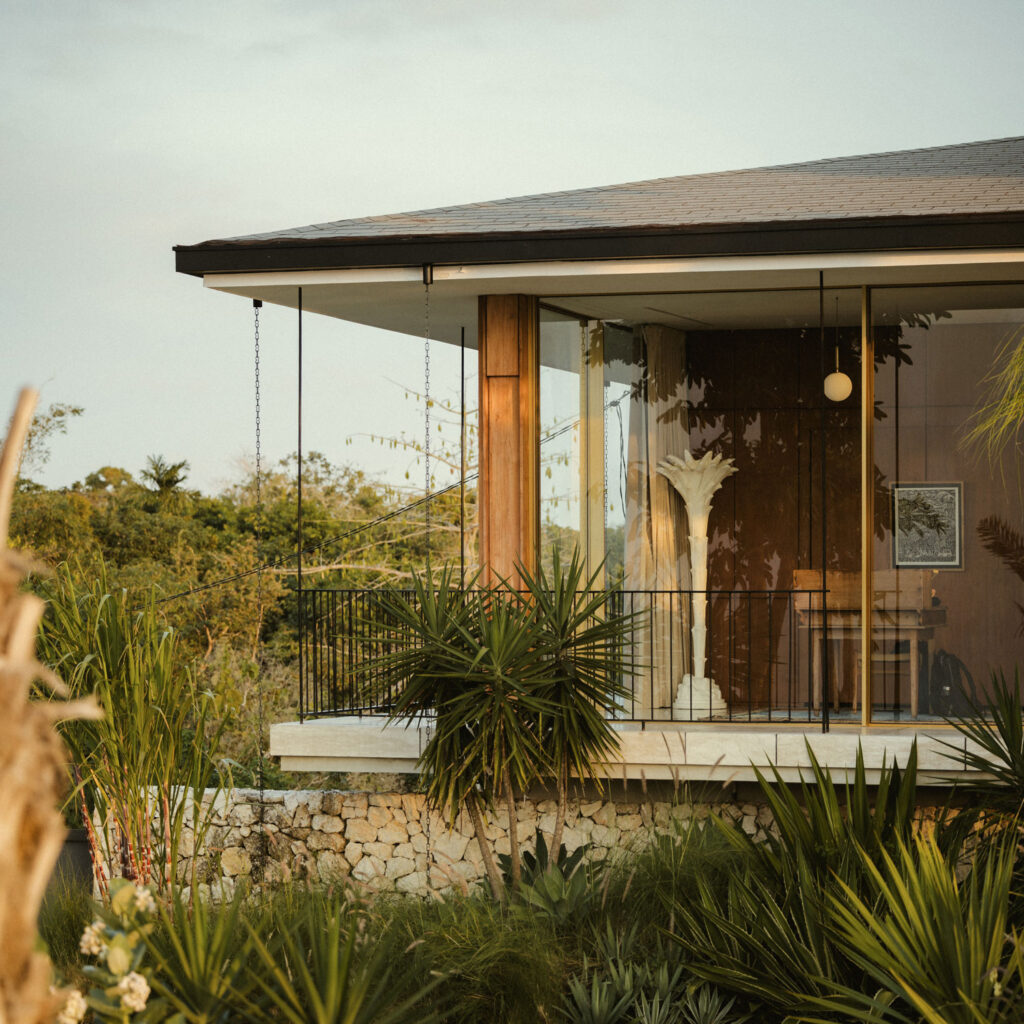
Contemporary private residence in Hong Kong designed with refined architecture and framed harbour views within a dense urban environment

The studio approaches each project in Wakatobi through a careful reading of which island, which coastline, and what the specific site offers: its reef proximity, its orientation, the quality of the water view, and the conditions that come with building in a UNESCO Biosphere Reserve. Each of the four islands presents a different context, and the studio designs in response to the particular rather than the generic.

Wakatobi’s landscape character is distinct from the dramatic limestone karst of Raja Ampat or the volcanic cliffs of eastern Indonesia. The islands are lower, more open, and defined more by the quality of the water surrounding them than by topographic drama above it. This shapes the architectural approach. Buildings here are oriented toward the reef and the ocean, designed to make the experience of the marine environment central rather than incidental, and scaled to sit appropriately within a low-lying island landscape.

The Wakatobi Dive Resort has demonstrated for decades that the highest standard of luxury hospitality is viable and commercially successful in this location. What it has not produced is competition at its level. The broader island group remains architecturally underdeveloped relative to what its marine environment and UNESCO status would justify. The studio’s interest in working here is in producing the kind of architecture that belongs in that context: considered, ecologically serious, and built to a standard that the location deserves.

Areas of Work

hong-kong-hillside-peak-residence-architecture

Private Residences

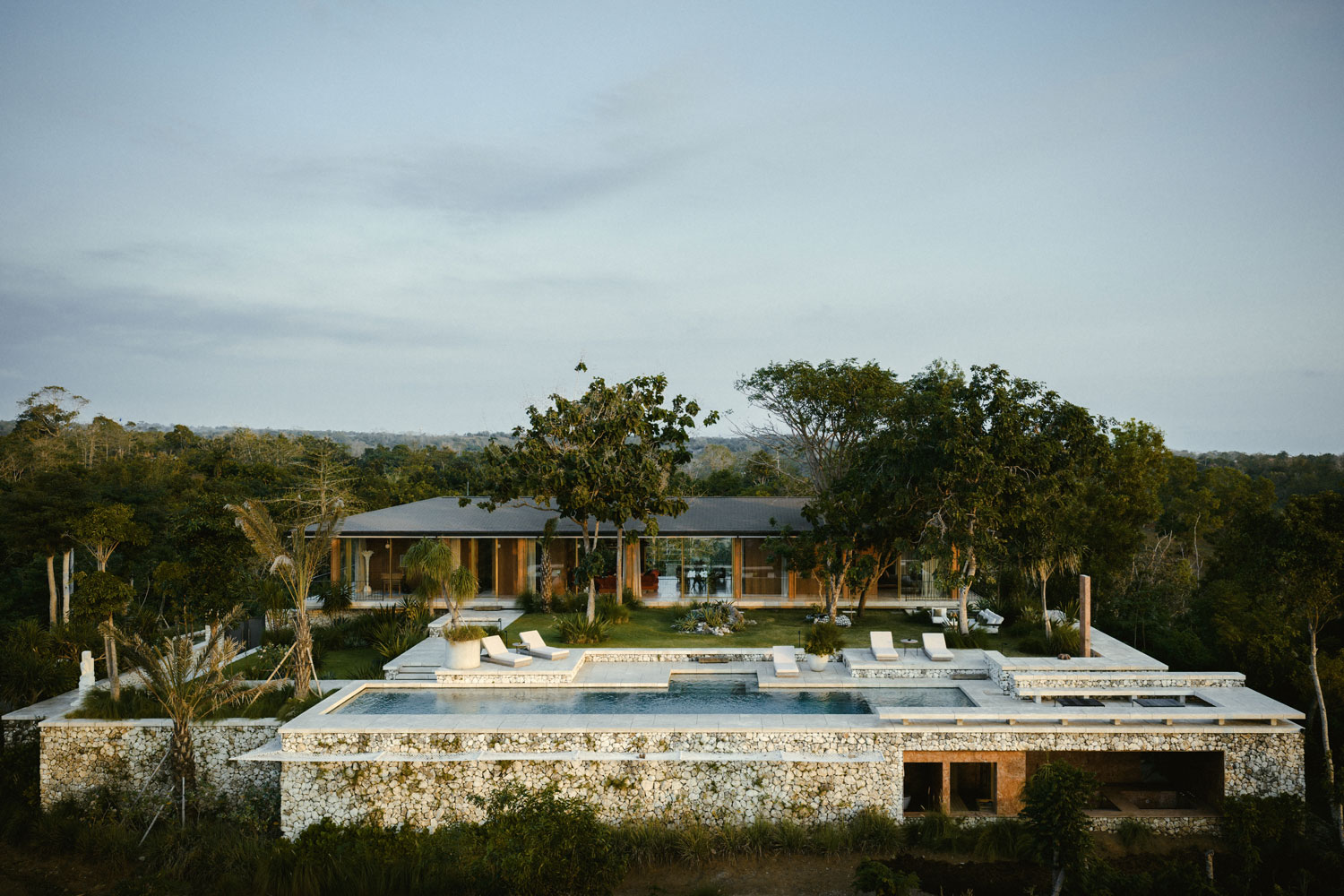
Private residences in Wakatobi are for clients who have made a deliberate choice to build within a UNESCO Biosphere Reserve, drawn by the marine environment, the isolation, and the quality of a location that has been protected precisely because of what it contains. The architecture is designed around the experience of that environment: reef-facing orientation, direct water access, and spaces that make the boundary between the built and the natural as permeable as the design and the ecology allow.


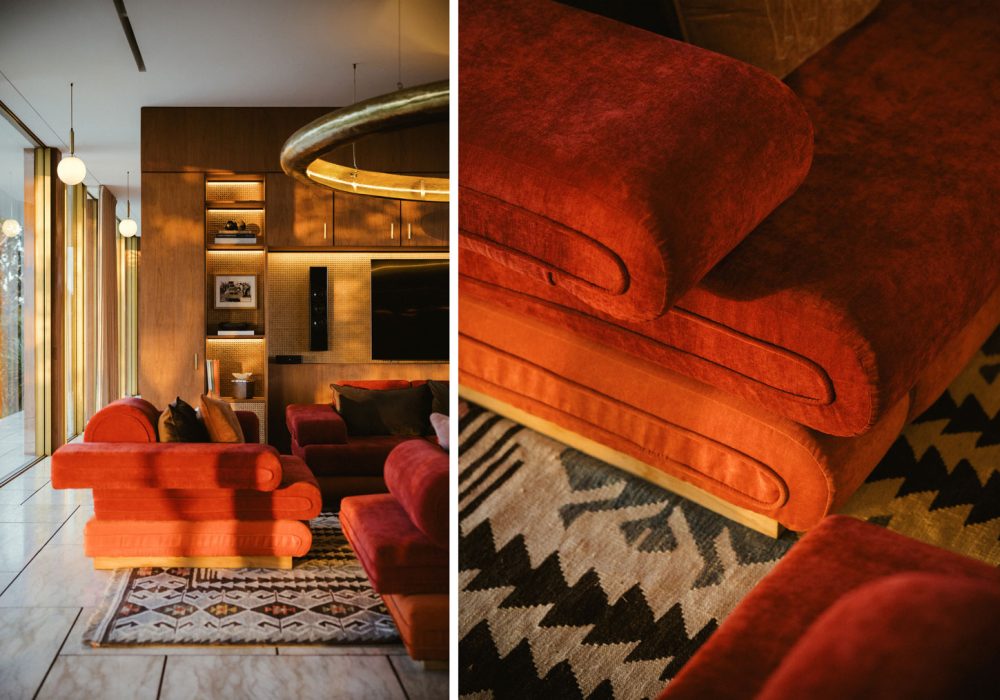
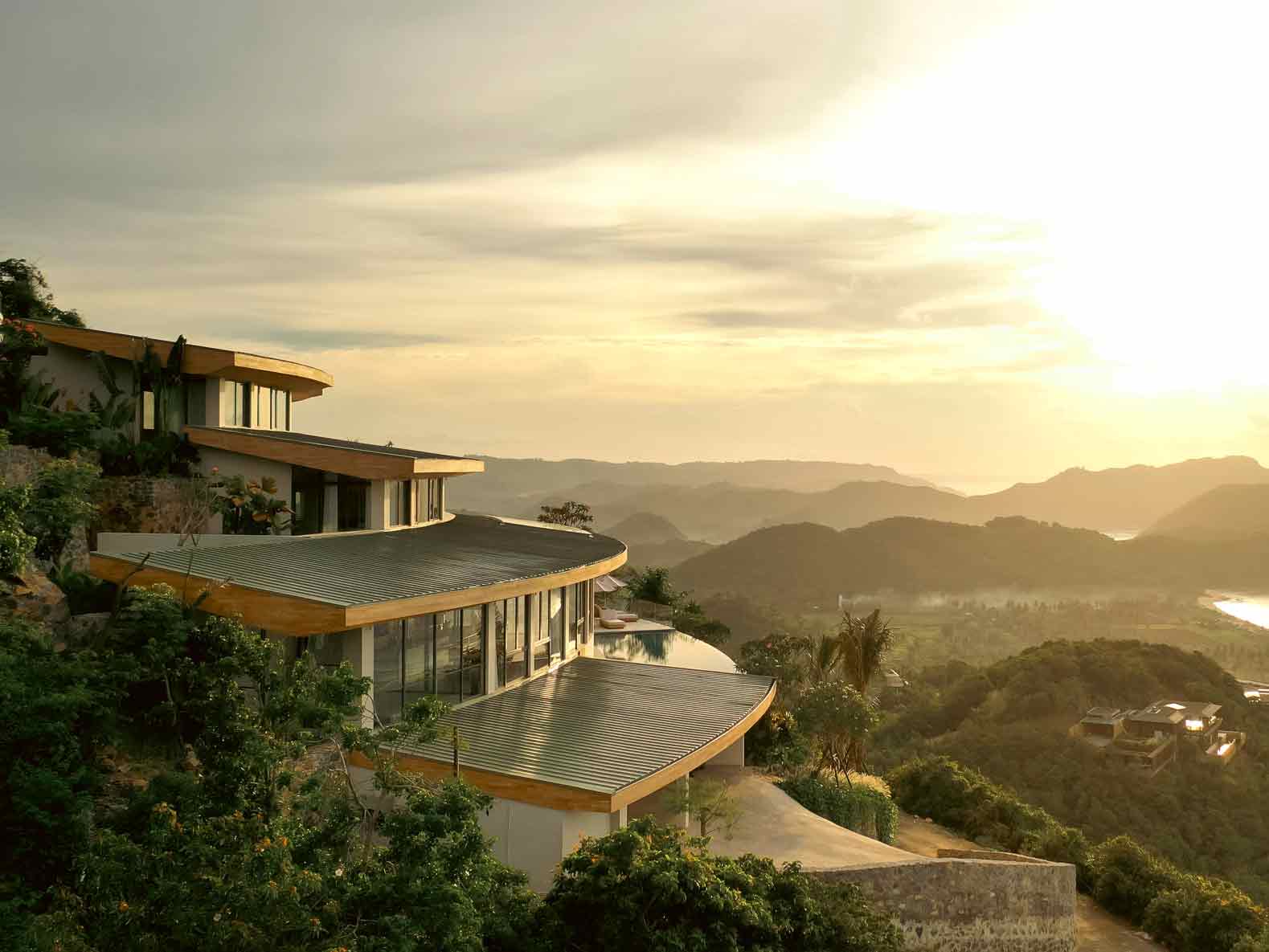
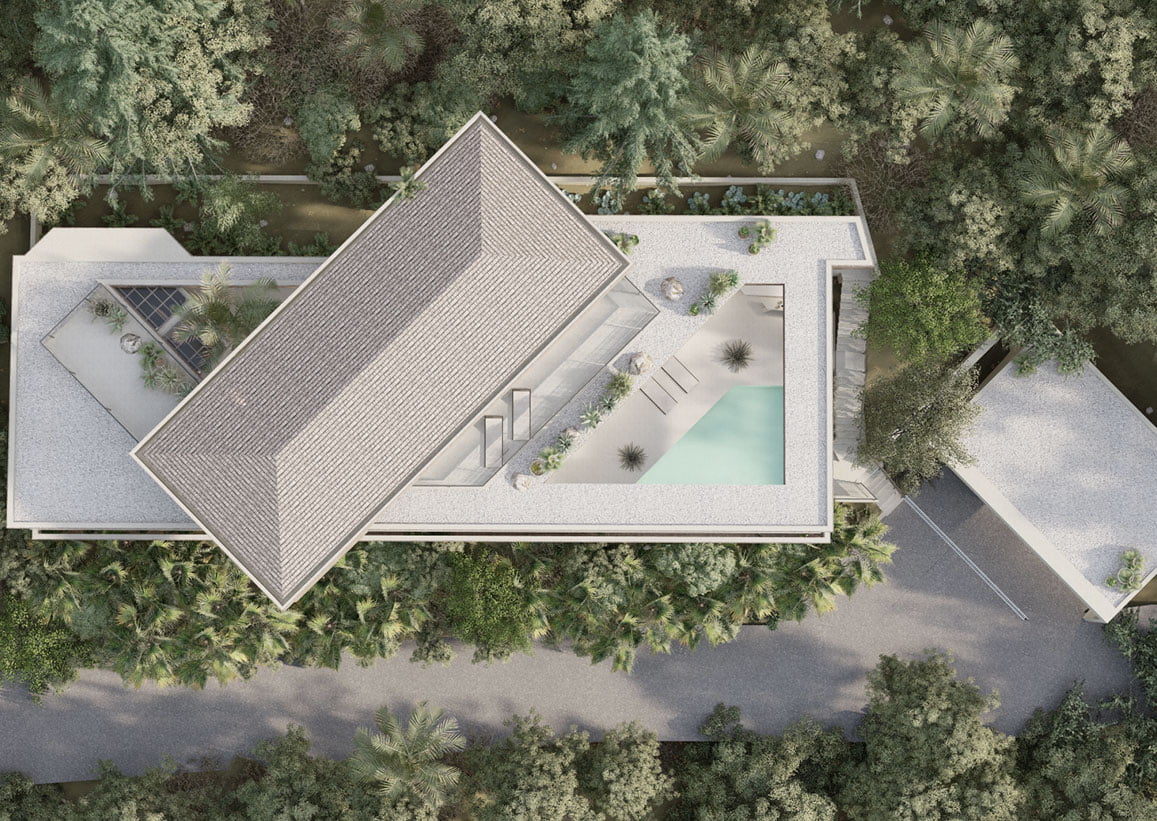
Contemporary penthouse residence in Hong Kong designed with refined architecture and panoramic city views

Hospitality

Boutique hospitality in Wakatobi has one dominant point of reference and a largely empty field beyond it. The studio designs dive lodges, small resorts, and boutique hotel projects that are built around the specific qualities of the island and the reef rather than a transferable resort template. Arrival by air or boat, the interface between the guest accommodation and the water, and the architecture of the dive and marine experience are all treated as spatial design problems from the earliest stage of each project.

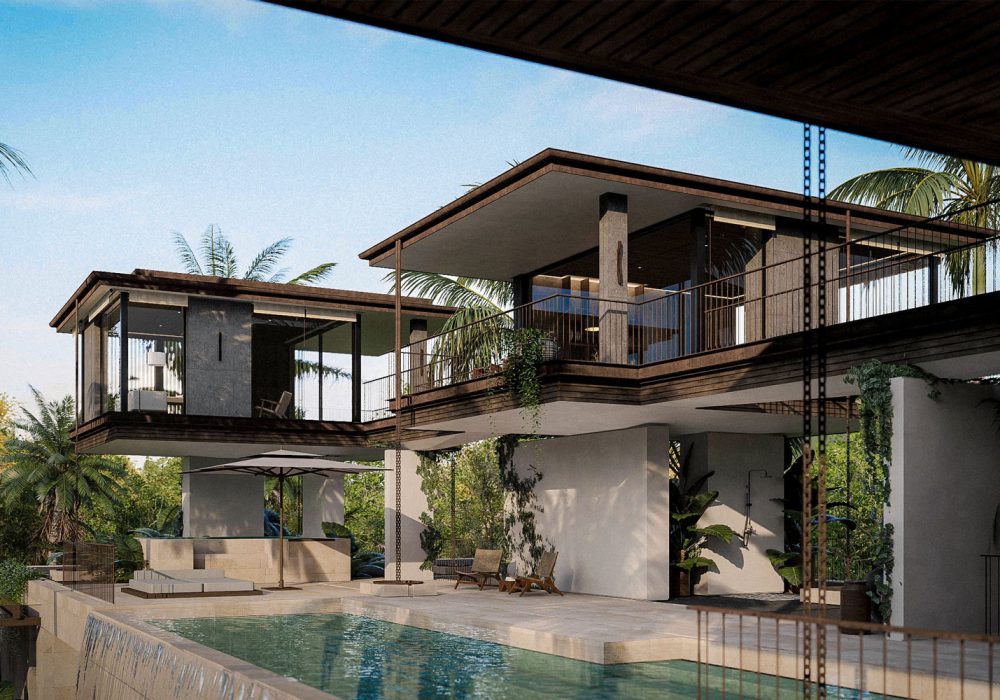
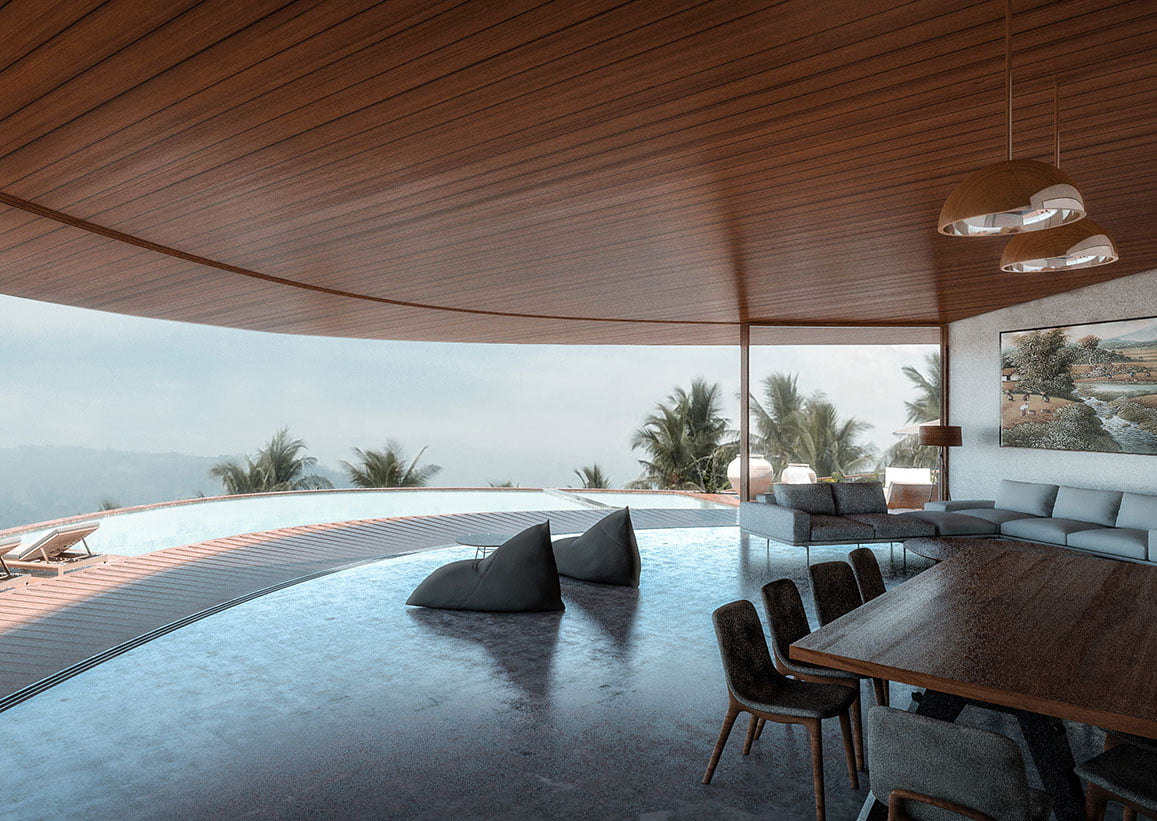
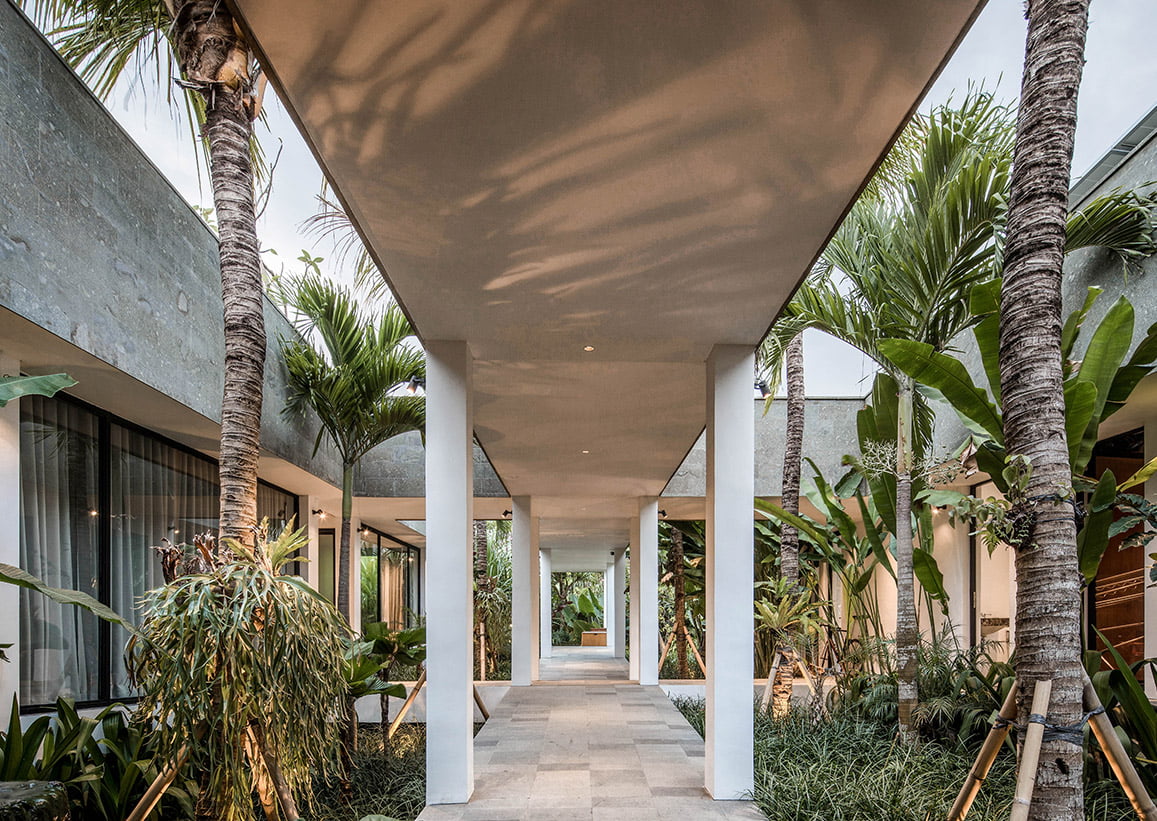
Contemporary private residential architecture in Hong Kong designed with refined spatial clarity and modern architectural detailing

Resorts

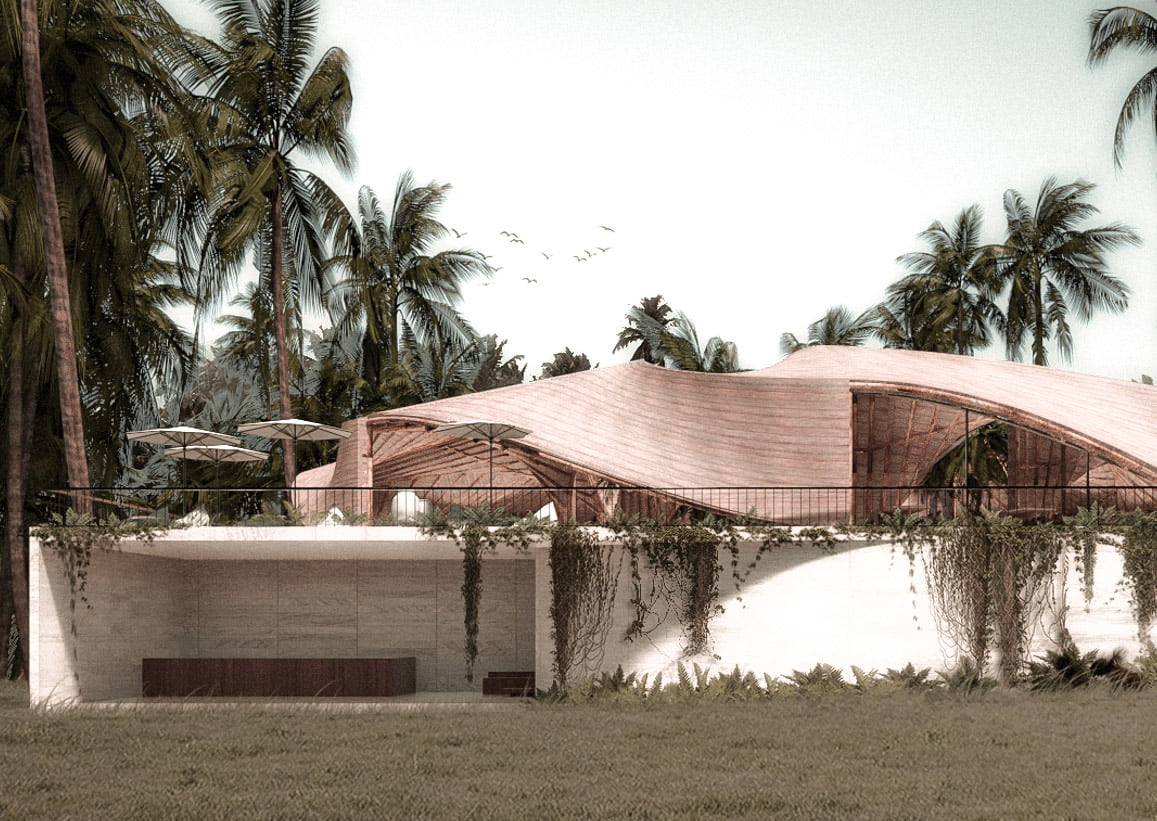
Resort development within a Biosphere Reserve requires a masterplanning approach that is honest about ecological carrying capacity and the regulatory framework that governs it. Low-density layout, minimal ground disturbance, and buildings that sit proportionately within the island landscape are not just regulatory requirements. They are the conditions that produce the kind of guest experience people come to Wakatobi for. The studio approaches resort projects here with those principles built into the planning rather than applied as constraints afterward.

Process

BUILDING IN WAKATOBI

Wakatobi is named for the four islands that comprise it: Wangi-Wangi, Kaledupa, Tomia, and Binongko. Its UNESCO Biosphere Reserve status reflects what those islands sit within: one of the most intact coral reef systems in the world, at the heart of the Coral Triangle. The single luxury reference point on the island group has proven the market for high-end development here over more than two decades. What has not followed is a second project of comparable ambition. The four islands remain largely undeveloped at that standard, which is both a consequence of the location’s genuine remoteness and a significant opportunity for clients who approach it seriously.

Building in Wakatobi requires a specific kind of architectural commitment: one that takes the marine environment as seriously as the spatial and material design, and that is honest about what operating within a protected area involves over the long term. The Bajo sea nomad communities, who have inhabited these waters for generations, the reef systems that define the location’s value, and the regulatory framework that protects both are all part of the context within which any project here must be designed and built. Architecture that engages with that context honestly tends to produce better buildings, and buildings that last longer and hold their value more durably than those that treat the environment as a backdrop.

Key considerations for building in Wakatobi:

  • UNESCO Biosphere Reserve: Environmental regulations, building restrictions, and ecological impact requirements apply across the island group and vary by zone. Regulatory status must be established before design begins.
  • Reef proximity: The coral systems adjacent to most development sites are the location’s primary asset. Material selection, drainage, and structural decisions are all made with reef impact as a primary criterion.
  • Remote access: Wakatobi is served by charter flights to Tomia and by boat. All materials and contractors arrive via these routes and the build programme is structured accordingly.
  • Four distinct islands: Wangi-Wangi, Kaledupa, Tomia, and Binongko each have different characters, development histories, and site conditions. The right island depends entirely on the brief.
  • Off-grid operation: Reliable grid power does not extend to most sites. Power, water, and waste systems are designed as primary building obligations from the concept stage.
  • Bajo cultural context: The sea nomad communities of the Wakatobi have a distinct cultural presence and relationship to the marine environment. Projects that engage honestly with this context sit more appropriately within the island group.

Frequently Asked Questions

Yes, and it is largely unoccupied. The existing luxury resort has proven the demand for high-quality hospitality in this location over more than two decades, but it remains the only project operating at that level. The four islands have significant coastline, multiple viable development sites, and a growing international profile as a dive destination that extends well beyond a single property. Boutique hospitality projects, private residences, and small lodge-style developments that are designed and operated to a high standard have a clear and underserved market position here.

The two locations share ecological significance and remoteness but differ in several important ways. Wakatobi is more accessible, with charter flights reaching Tomia directly, reducing the logistical complexity of the build and the ongoing operational supply chain. The landscape character is different: lower, flatter islands without the limestone karst drama of Raja Ampat, oriented more fully toward the water and the reef. The market is also more established. Wakatobi has a longer track record as a luxury dive destination, which means clients building here are entering a proven market rather than pioneering one.

It means environmental performance is a regulatory requirement as well as a design principle. Building within a Biosphere Reserve involves environmental impact assessments, compliance with zoning restrictions that vary across the island group, and ongoing obligations around waste, water, and operational impact. The studio works with local environmental consultants and regulatory advisors to establish exactly what applies to a specific site before design begins. These requirements are not obstacles to good architecture. They are the framework within which responsible building in this location happens, and the studio’s approach is built around meeting them rather than navigating around them.

As a primary spatial design consideration from the concept stage. In Wakatobi, the experience of the reef is why people come, and the architecture should make that experience as direct and considered as possible. This means designing the transition from accommodation to water as carefully as the accommodation itself: jetty and dive deck access, equipment storage and preparation areas, the sightlines from living spaces toward the reef, and the quality of light on the water from different positions within the building. These are not afterthoughts bolted onto a standard resort layout but spatial decisions made at the concept stage.

It depends on the brief. Tomia, the location of the established luxury resort and the island with the best air access, has the most developed infrastructure and the clearest development precedent. Wangi-Wangi, as the largest island and the location of the main port town, offers a different character and scale. Kaledupa and Binongko are more remote and less developed, with a different quality of isolation that suits certain project types. The studio’s site assessment process identifies what a specific island and plot genuinely offers in terms of reef access, regulatory status, and build logistics before any design decisions are made.

Yes, and this dual-use model is particularly well suited to the Wakatobi context. The consistent international demand for high-quality dive accommodation in the island group means a well-positioned, well-designed private property has clear yield potential when not in personal use. The studio designs for this from the brief stage, ensuring spatial layout, guest access, equipment facilities, and operational logistics are resolved within the architecture rather than treated as additions after the design is complete. A property designed properly for both modes of use performs better commercially and is more resilient as a long-term asset.

With care and genuine attention. The Bajo, the sea nomad communities of the Wakatobi, have an extraordinarily deep relationship with the marine environment, one that predates any tourism development by generations. Their presence, their cultural practices, and their knowledge of the reef are part of the context within which any project in the Wakatobi must be understood. The studio does not appropriate this context superficially, but approaching projects here with an honest engagement with the island’s human history alongside its ecological one produces architecture that sits more appropriately within the place and contributes positively to the community rather than simply occupying the landscape.

A conversation about the island, the site, and what you want to build, alongside an honest discussion about what operating within a UNESCO Biosphere Reserve involves. The studio will want to understand the specific location, its regulatory status, your intentions for the project, and your approach to the marine environment before anything else. From there, an early site and regulatory assessment forms the foundation for a design process that is specific to Wakatobi and honest about everything that building and operating here requires.

0
    0
    Your Cart
    Your cart is emptyReturn to Shop