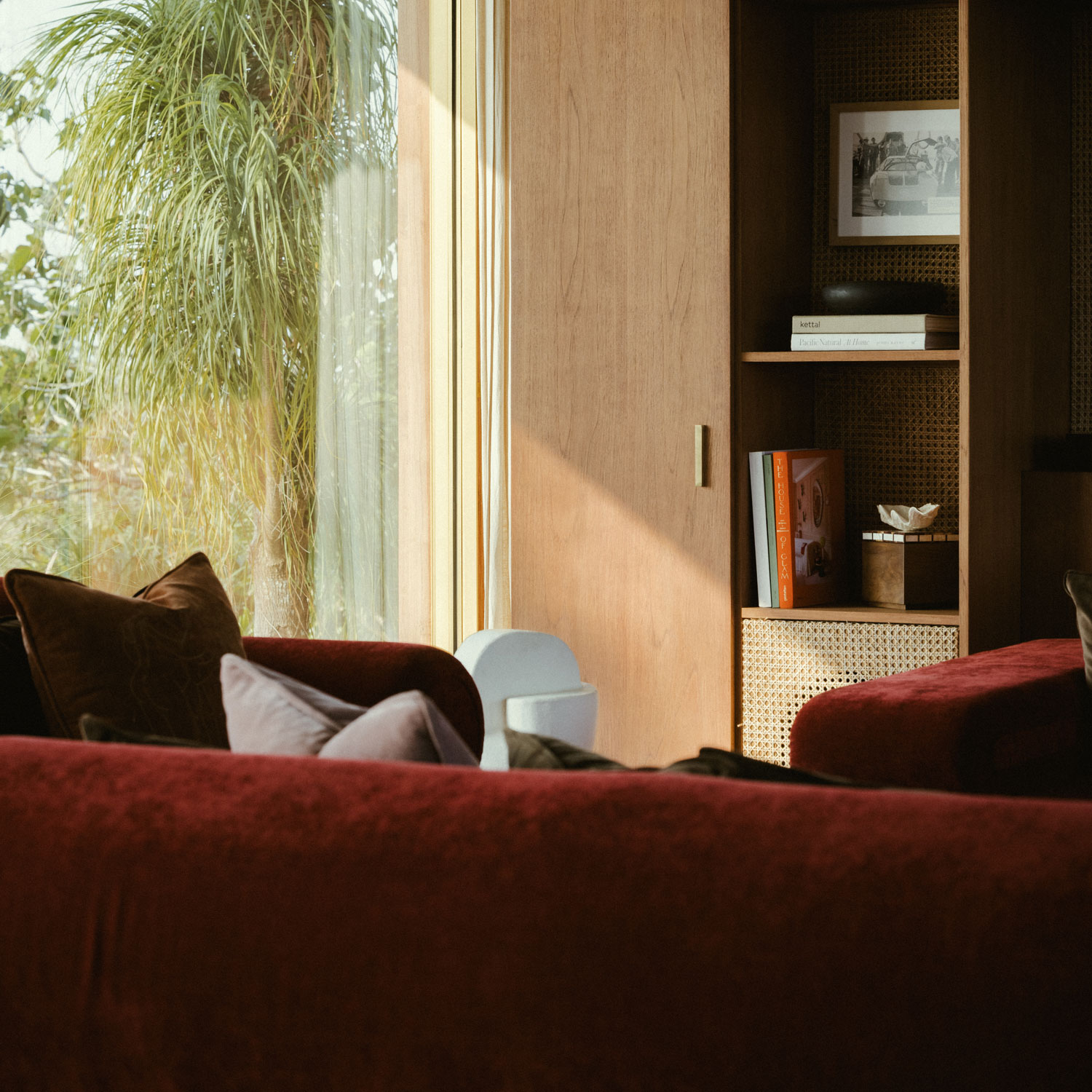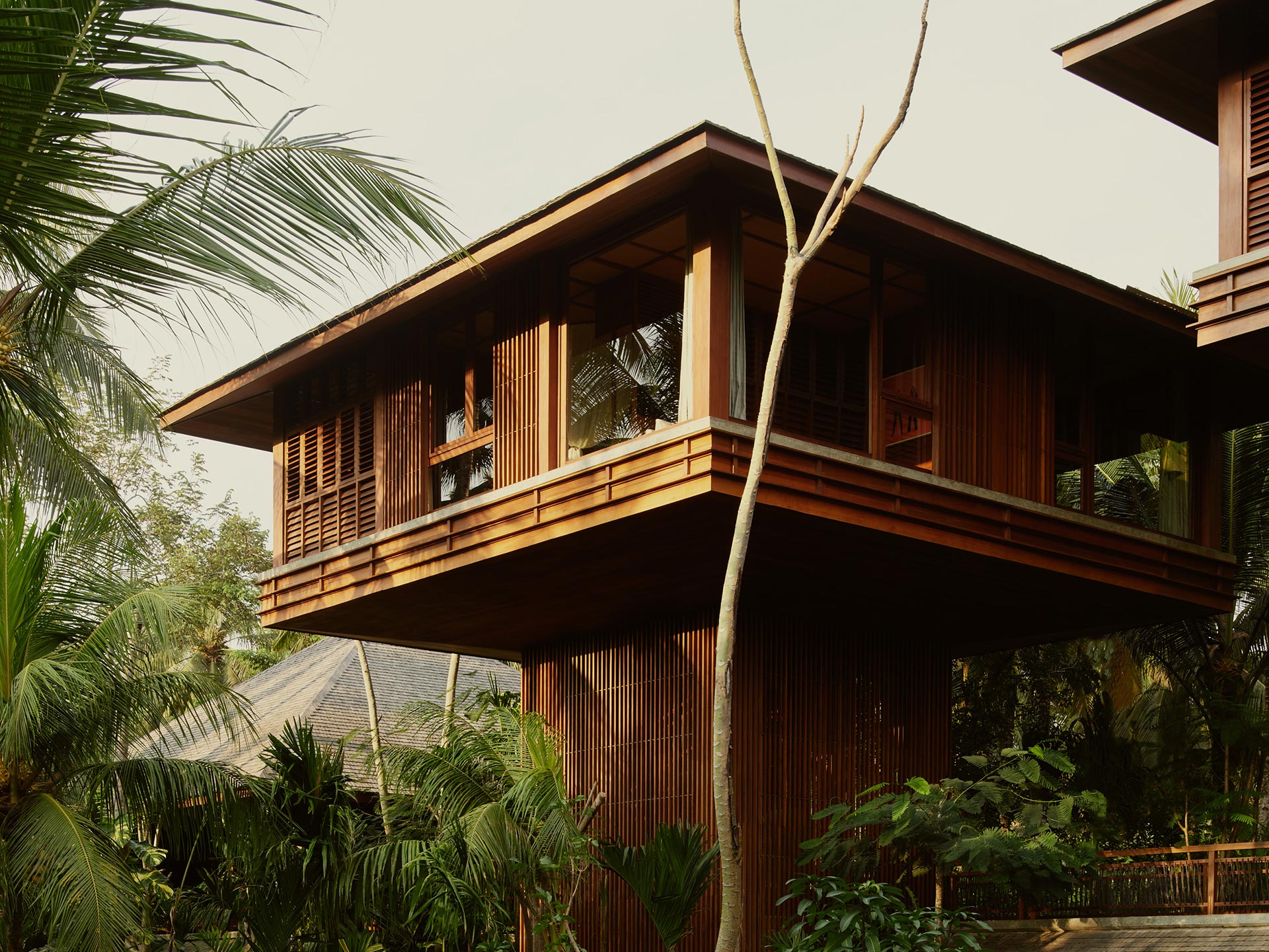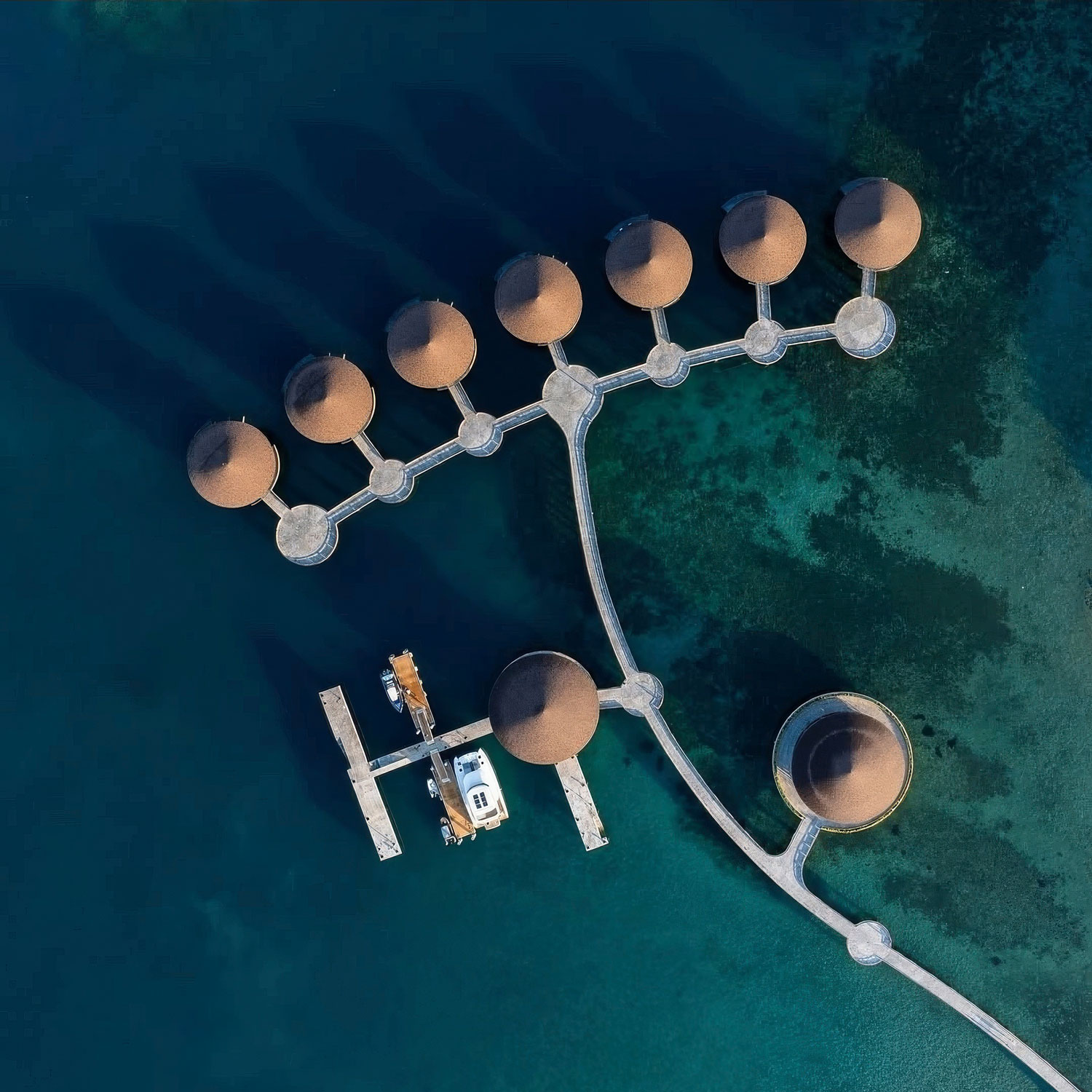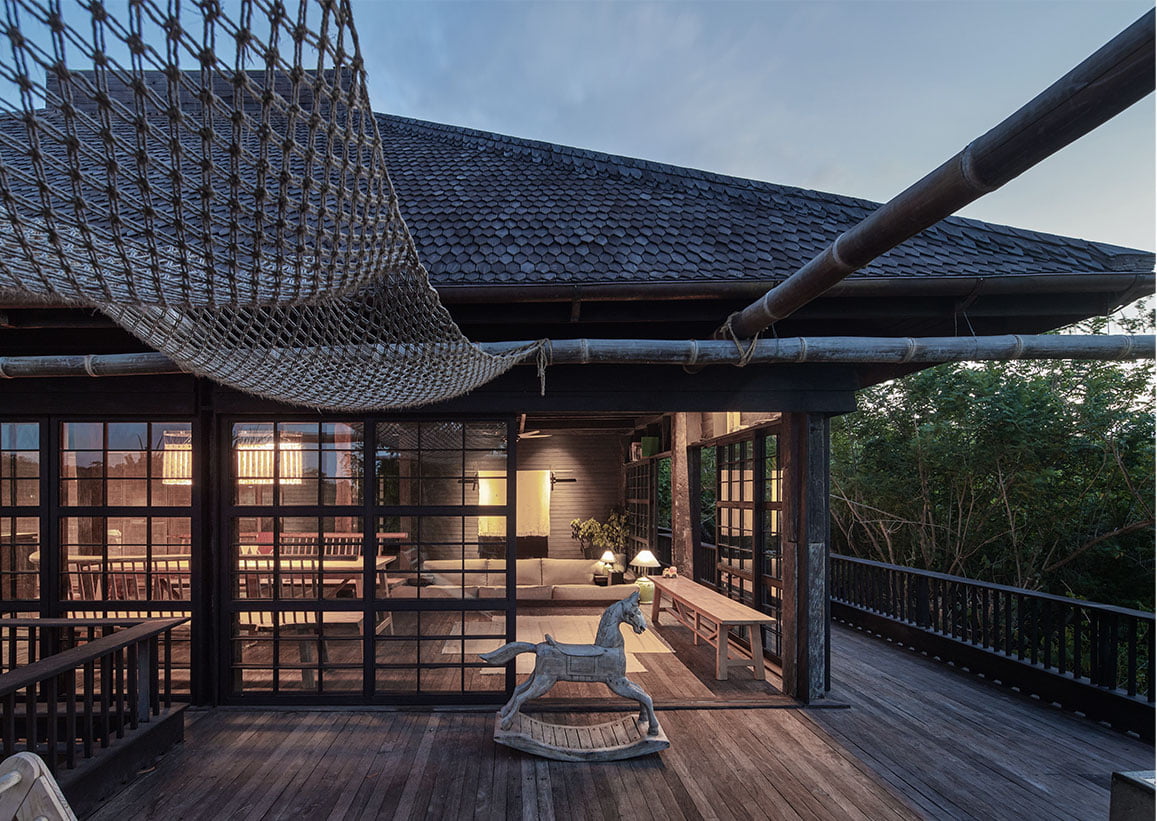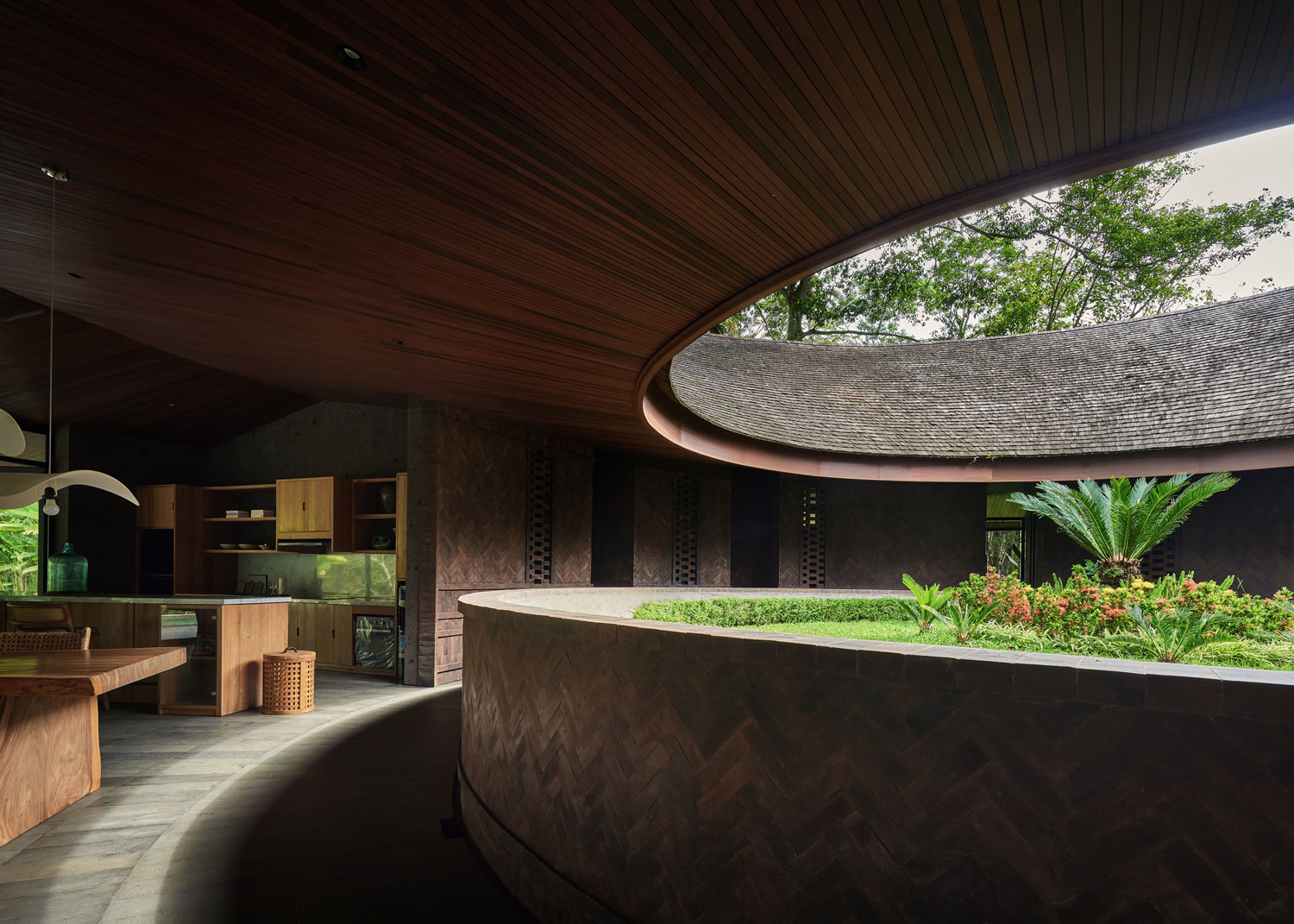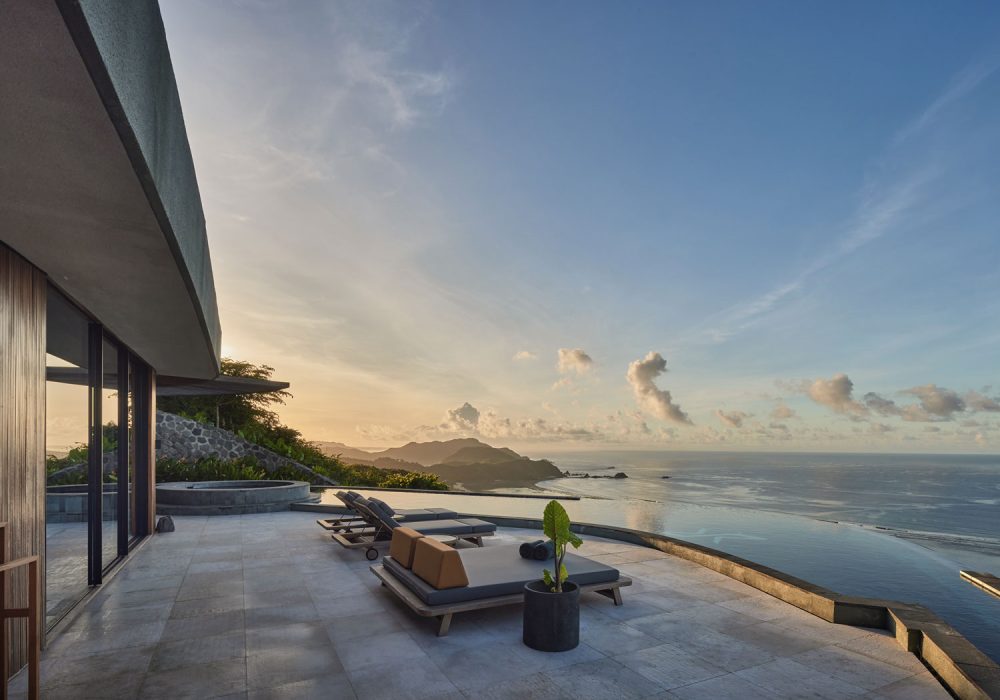
Resort projects in Lombok are approached through careful masterplanning, balancing scale with landscape. Layout, circulation, and spatial zoning are considered early, ensuring developments feel cohesive rather than fragmented. Each design responds to the site’s natural features while supporting both guest experience and long-term operational efficiency.
About The Studio

The studio approaches each project in Lombok through a careful reading of the site, with architecture shaped by terrain, climate, and surrounding landscape. Rather than applying a fixed style, each design responds to its context, ensuring buildings feel integrated into their environment and aligned with how the space will be used.
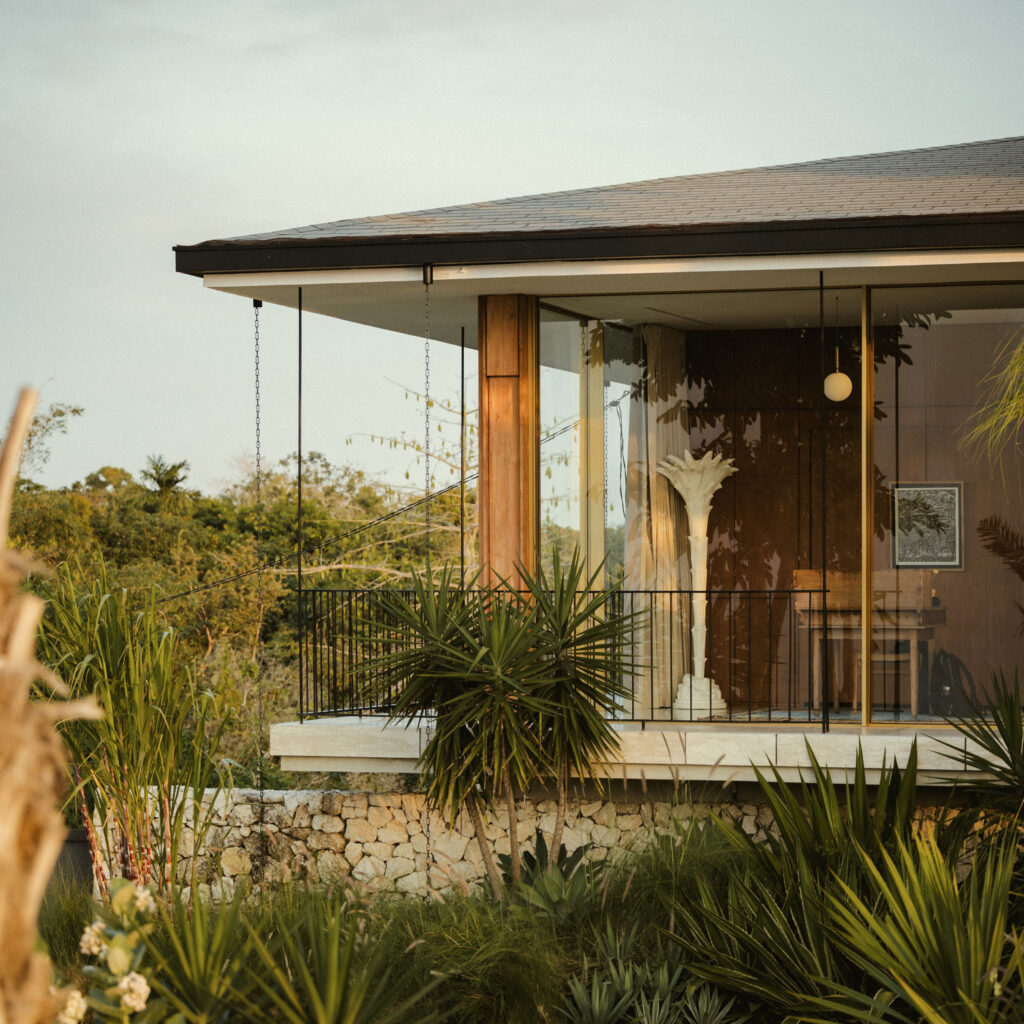
Architectural work in Lombok focuses on creating private, low-density spaces that balance openness with shelter. This includes considerations around light, airflow, and materiality, allowing each project to adapt to the island’s coastal conditions while maintaining a strong connection between interior and exterior living.
With completed villas on the island, the studio’s approach continues to evolve through direct experience of Lombok’s conditions. Each project builds on this understanding, refining how architecture can respond to more remote locations while maintaining a consistent level of detail, clarity, and spatial intent.
Site analysis plays a central role from the earliest stages, with orientation, topography, and prevailing conditions informing how each building is positioned. This allows architecture to work with the landscape rather than against it, reducing reliance on mechanical systems and creating spaces that feel naturally suited to their setting. Decisions around volume, threshold, and aperture are calibrated to the specific demands of each plot, whether shaped by hillside elevation, coastal exposure, or denser vegetation inland.
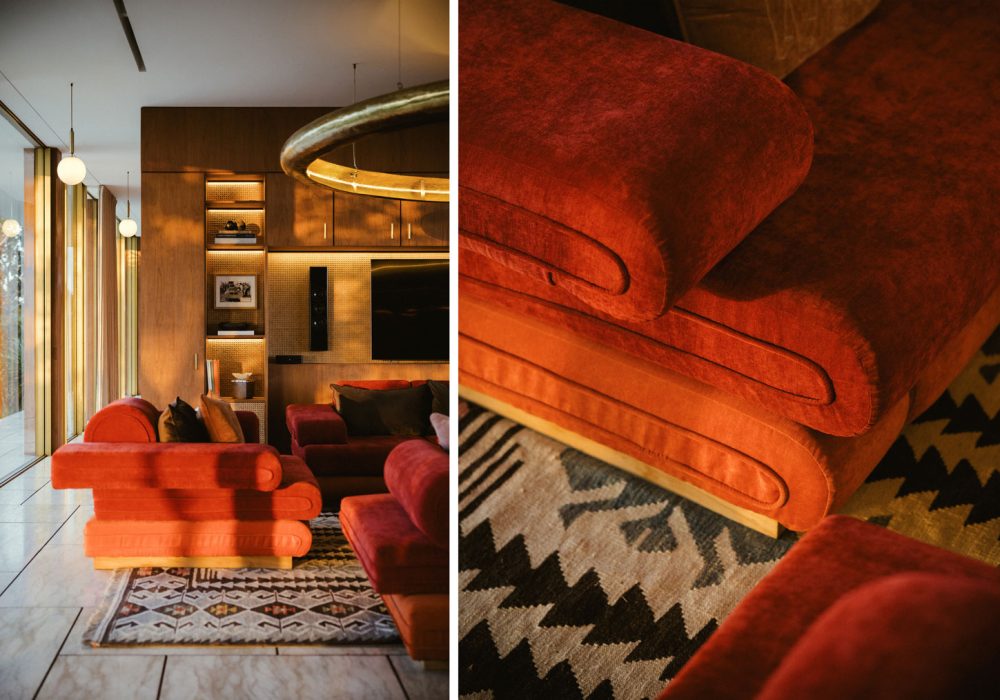
Material choices are considered alongside long-term performance, with an emphasis on durability, weathering, and how surfaces respond to the local climate over time. Finishes are selected for both their tactile qualities and their ability to age well within Lombok’s environment, supporting a quieter architectural language that feels resolved rather than imposed. This extends to detailing, where junctions, transitions, and structural expression are refined to maintain clarity across the project as a whole.