• No products in the cart.
Back to top

ARCHITECT Mentawai Islands

The Mentawai Islands have one of the most concentrated collections of world-class surf in existence, and some of the least developed high-quality architecture of any established destination in Southeast Asia. Clients who want to change that – building private residences and hospitality projects that match the quality of the waves and the setting – are the ones the studio works with here.

About The Studio

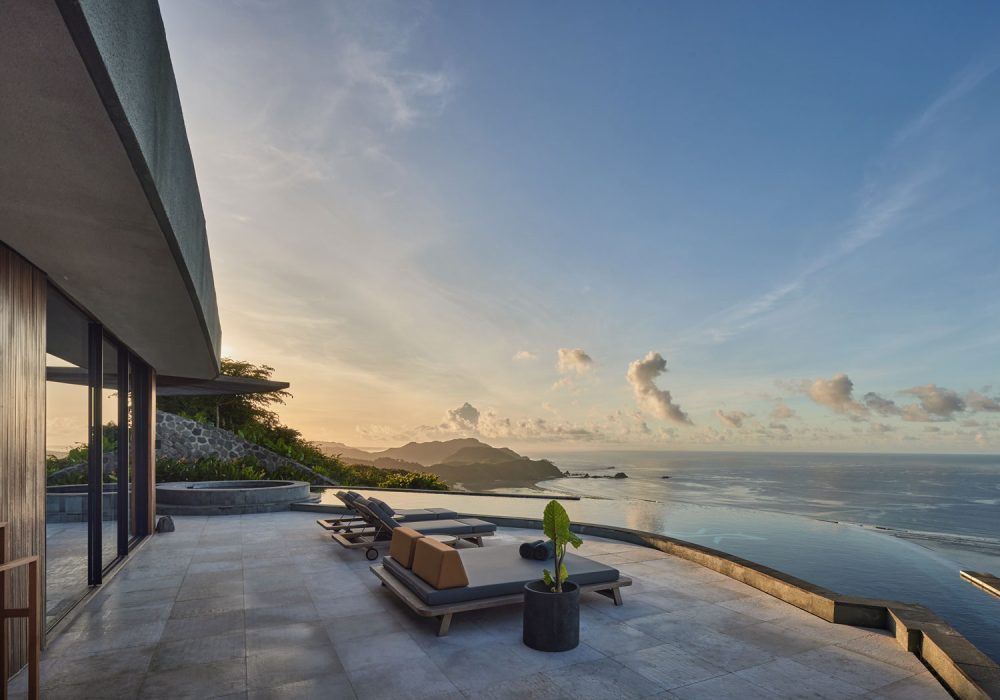
Contemporary private residence in Hong Kong designed with refined architecture and framed harbour views within a dense urban environment

The studio approaches Mentawai projects with the same method applied across its work in Indonesia – a detailed reading of the site before any design decisions are made. In the Mentawais, this means understanding which island, which coastline, and what the specific plot offers in terms of exposure, vegetation, and access. The archipelago spans a significant stretch of ocean, and conditions vary considerably between islands, between surf-facing and sheltered positions, and between jungle-interior and waterline sites.

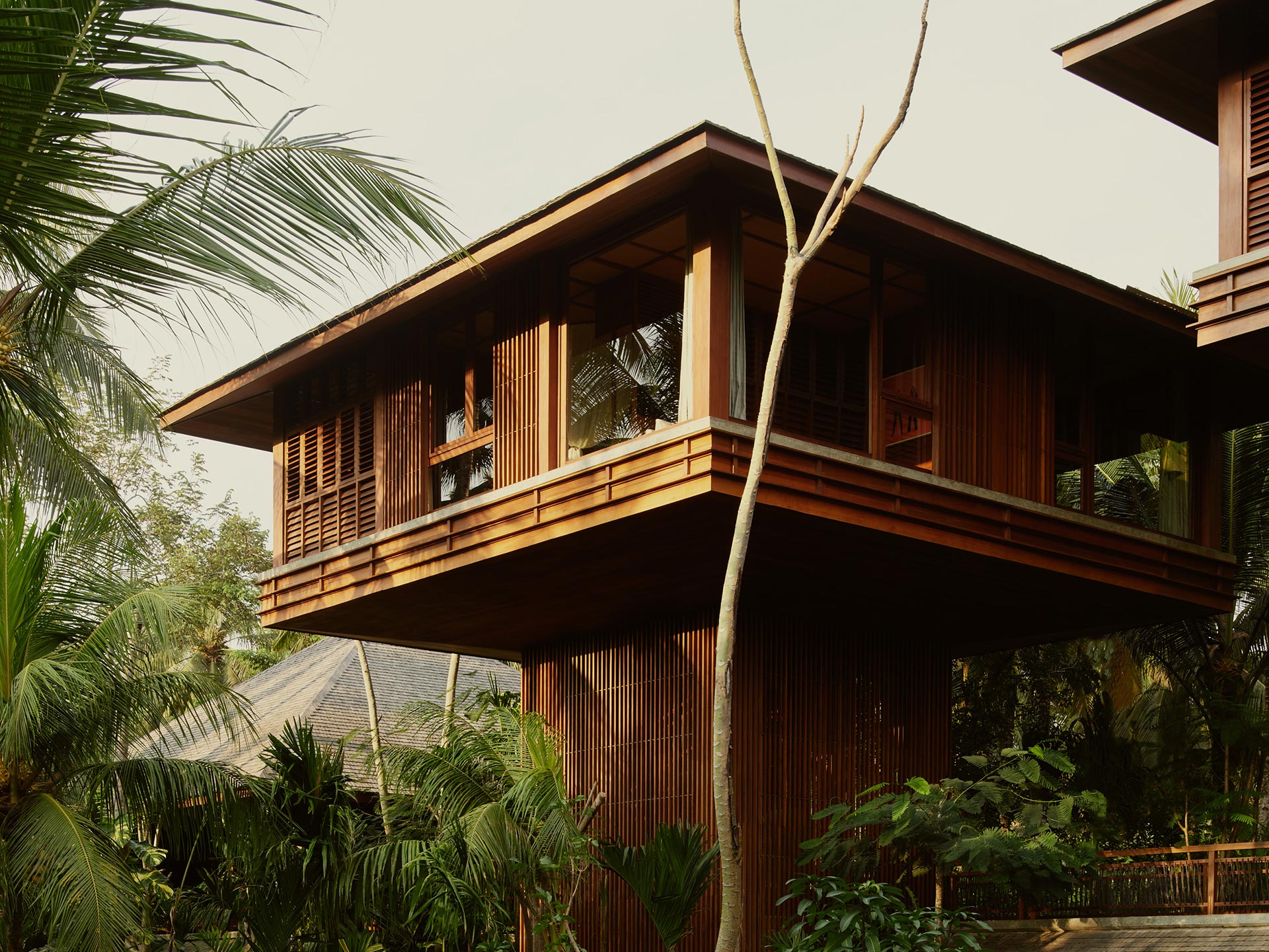
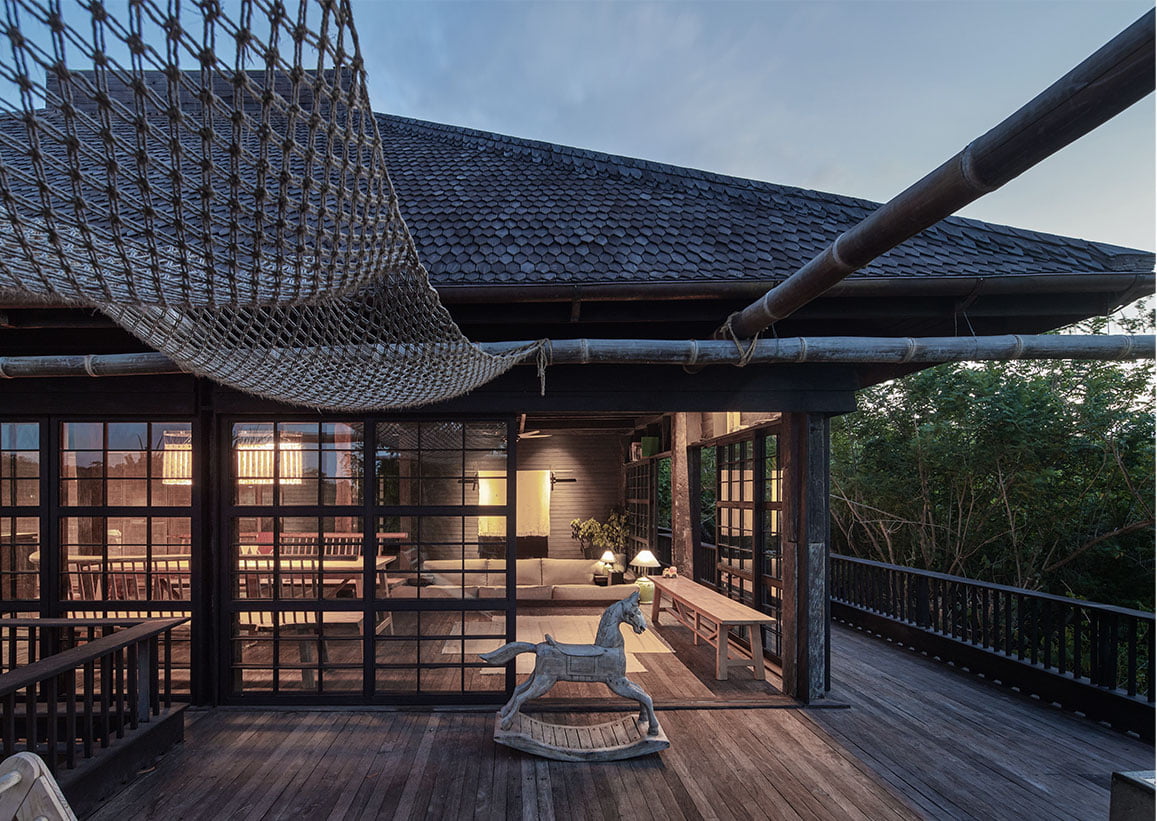
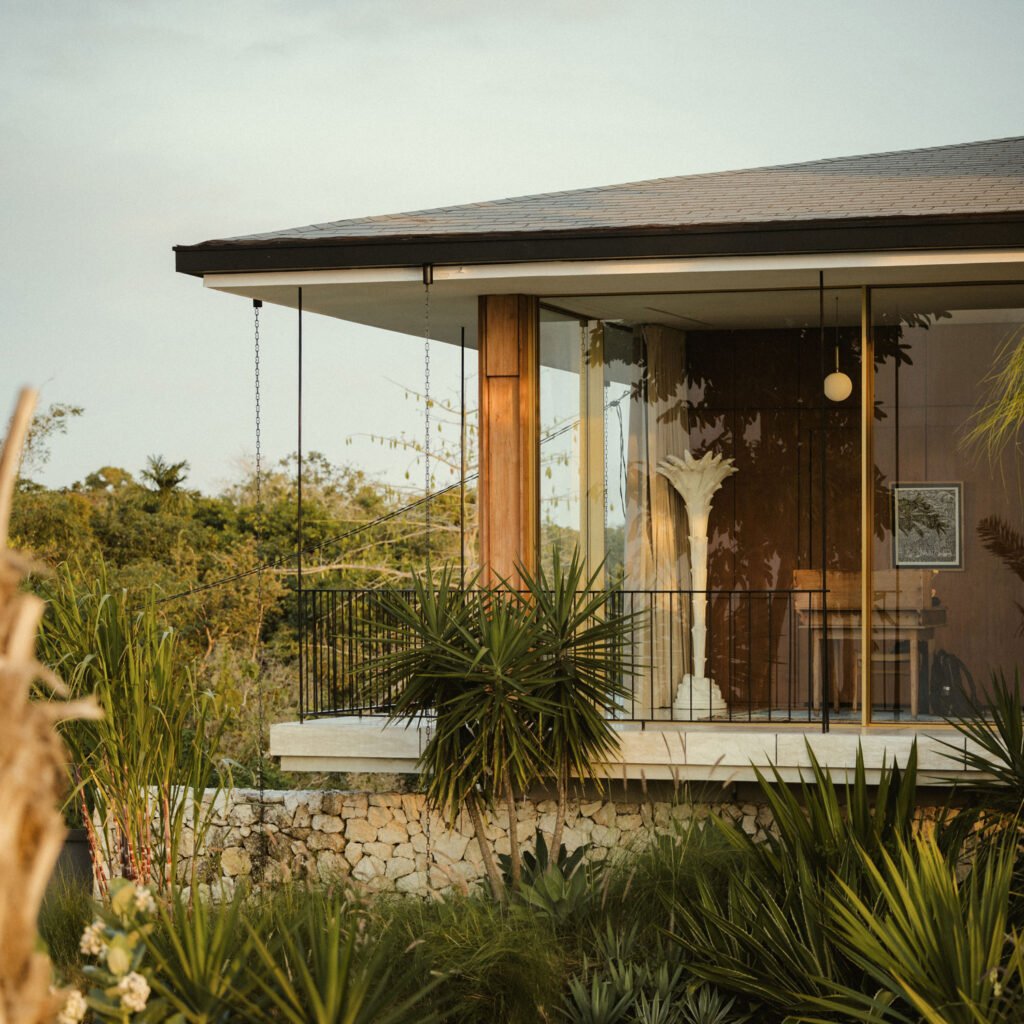
Building in the Mentawais is defined by two dominant conditions: equatorial rainforest and the open Indian Ocean. The forest meets the sea directly on most islands, with none of the transitional landscape that exists in drier locations. This creates a distinct architectural challenge – buildings must manage intense humidity and rainfall while maintaining a close relationship with both the jungle and the water. Ventilation, material durability, and the treatment of the ground plane are all shaped by this combination from the earliest stage of design.

The hospitality market in the Mentawais is already active, driven by decades of surf tourism, but the architectural standard has largely not kept pace with the quality of what draws people here. There is a clear gap between the experience the islands offer and the built environment that hosts it. The studio’s interest in working here is in closing that gap – designing private residences and hospitality projects that are genuinely worthy of the setting.

Areas of Work

hong-kong-hillside-peak-residence-architecture

Private Residences

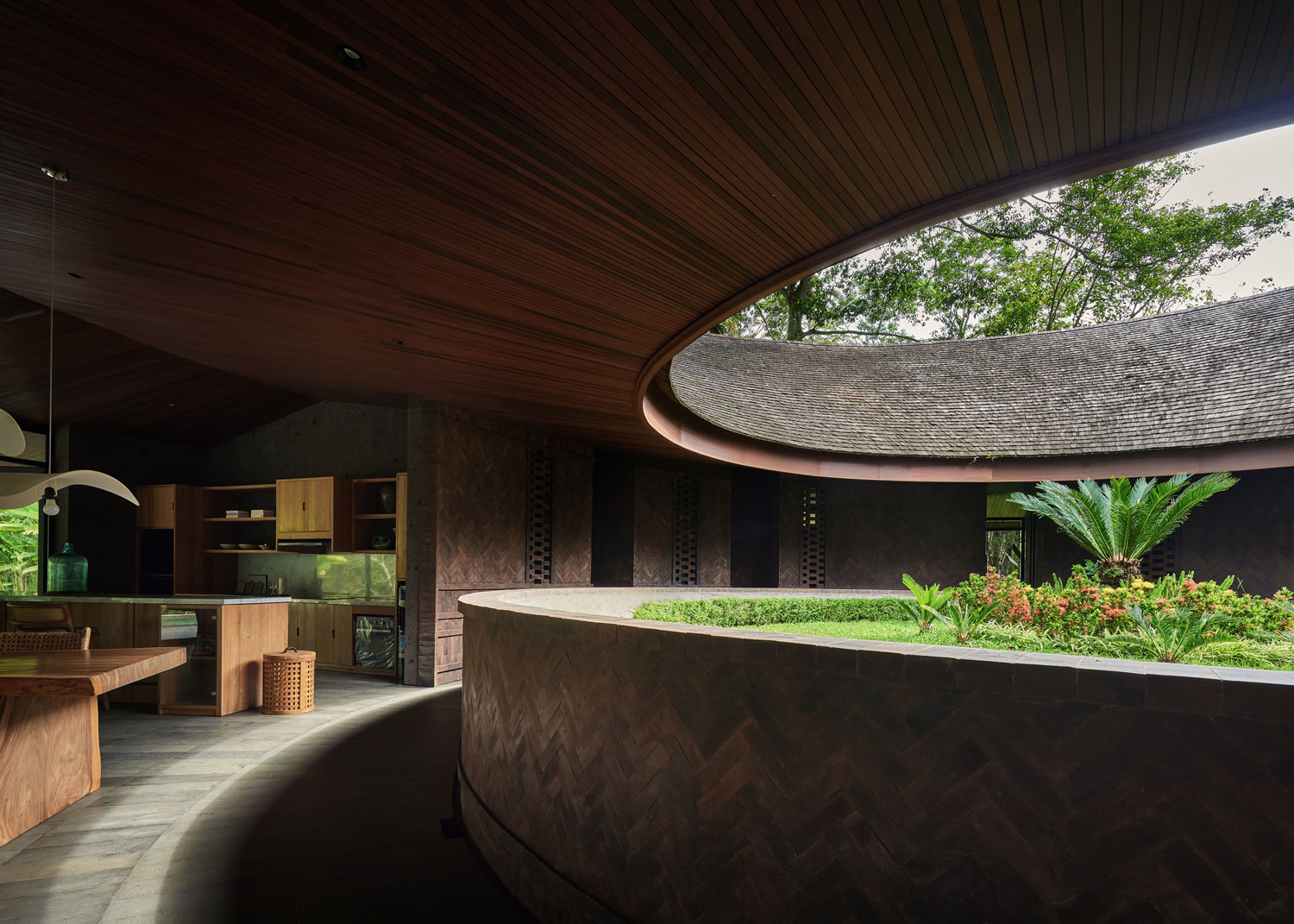
Private residences in the Mentawais are for clients who want a base on one of the world’s great surf archipelagos – designed to last, to function well in an equatorial jungle environment, and to reflect the quality of the location rather than contradict it. Each project considers its specific island position, the interface between forest and ocean, and the practical realities of building and maintaining a home in a location reached primarily by boat.

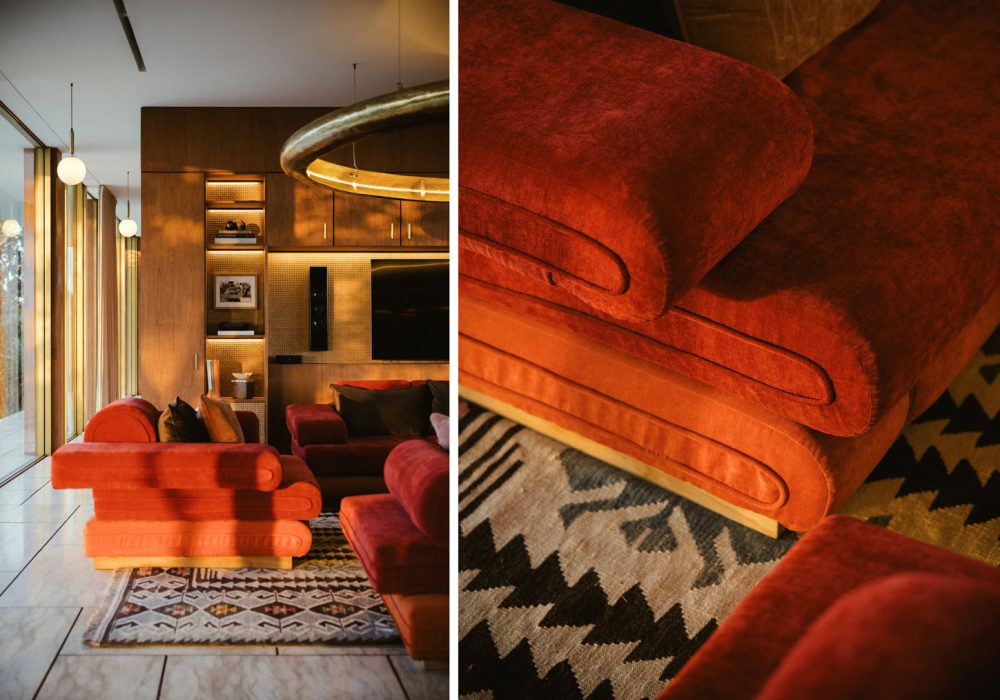
Contemporary penthouse residence in Hong Kong designed with refined architecture and panoramic city views

Hospitality

Boutique hospitality in the Mentawais operates in a market that has historically prioritised access over architecture. The studio approaches these projects differently – designing lodges, surf camps, and small resort facilities around spatial quality, material considered­ness, and the specific experience of being in this place. Arrival by boat, the sound and presence of the ocean, and the enclosure of the jungle are all choreographed as part of the architectural sequence rather than left to chance.

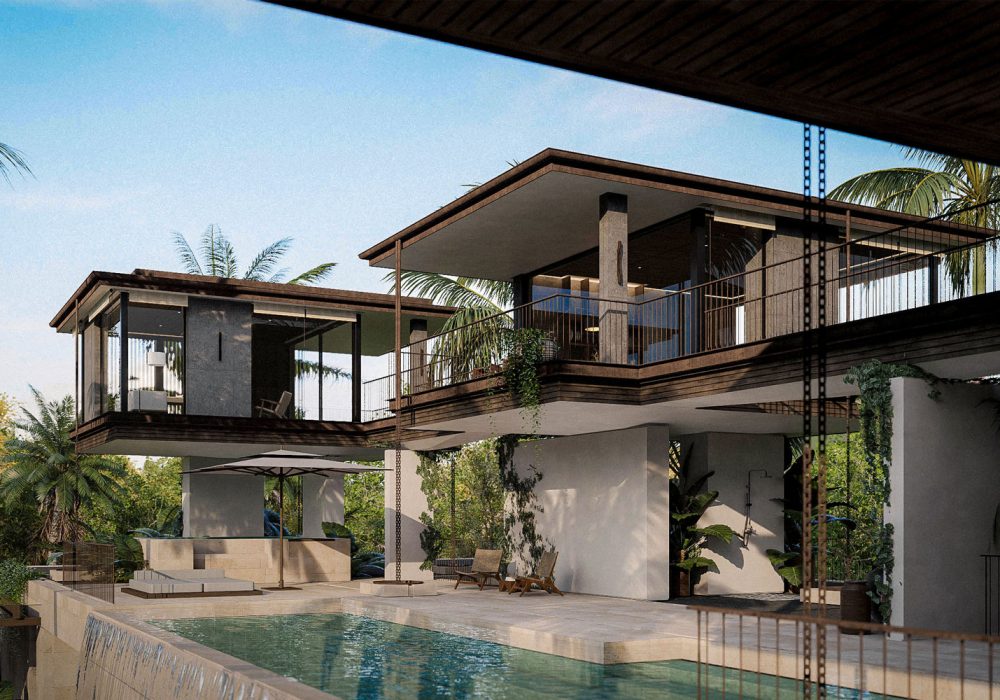
Contemporary private residential architecture in Hong Kong designed with refined spatial clarity and modern architectural detailing

Resorts

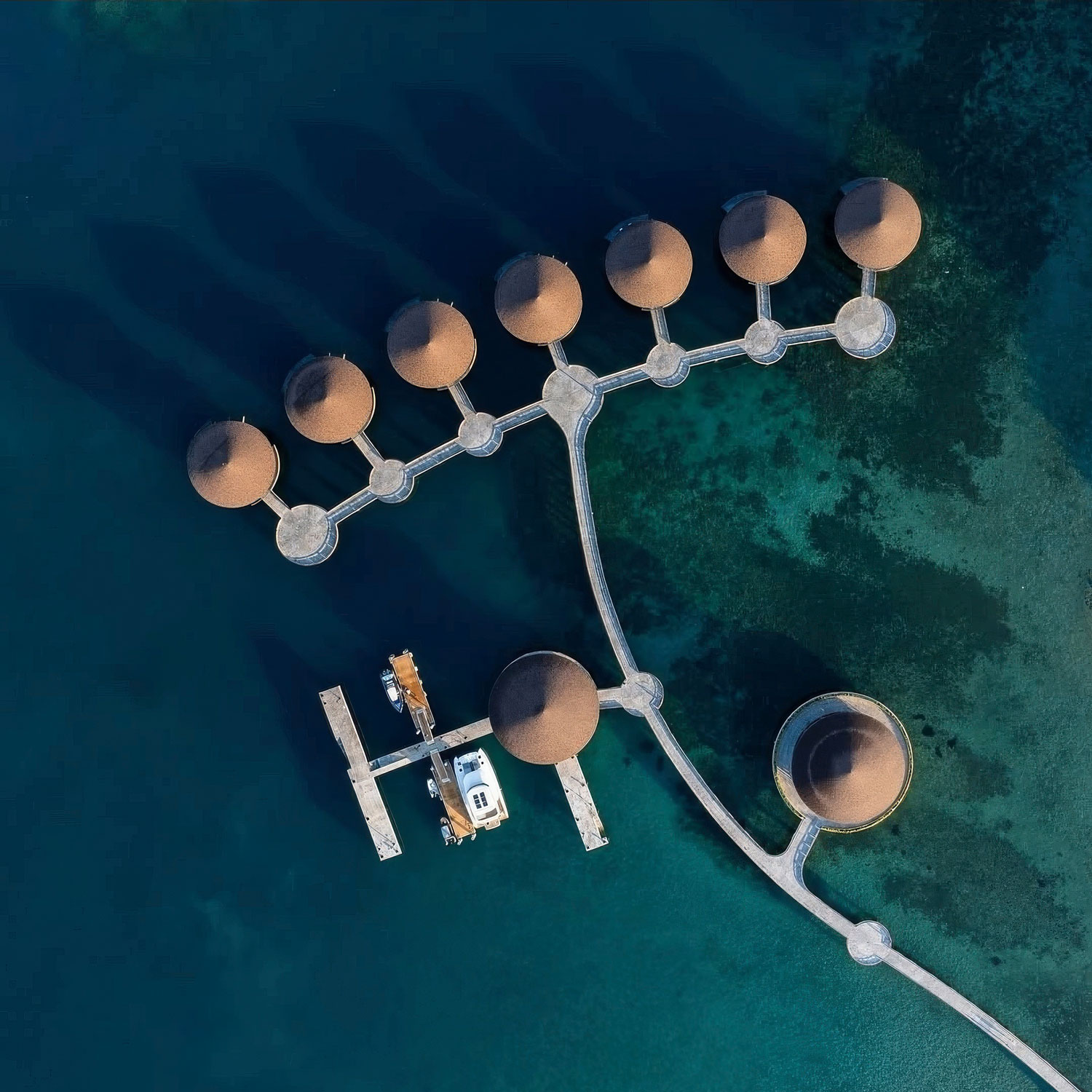
Resort development across the Mentawai Islands requires site selection and masterplanning that accounts for the archipelago’s varied conditions – different islands offer different wave exposure, access logistics, and landscape character. The studio approaches resort projects at the planning level with this complexity in mind, ensuring layout, building placement, and circulation are resolved for the specific island and site rather than applied generically.

Process

BUILDING IN THE MENTAWAI ISLANDS

The Mentawai Islands have been a fixture on the international surf circuit for decades, and in that time, the volume of people passing through has grown substantially – but the quality of the built environment has not followed. The majority of accommodation and infrastructure on the islands was built quickly, practically, and without particular architectural ambition. The result is a destination whose natural quality significantly outpaces what has been built on it. That gap is both a shortcoming and an opportunity: the market for well-designed, carefully considered architecture in the Mentawais is underserved, and the demand from the kind of client who travels here is real.

Building in the Mentawais is not straightforward. Boat access, equatorial humidity, limited local construction expertise, and the logistical complexity of a scattered archipelago all add layers of difficulty that don’t exist in more established Indonesian locations. But these are the same conditions that have kept the islands from being overdeveloped – and working within them seriously, rather than cutting corners, is what produces architecture that lasts and that holds its value. The studio approaches projects here with that discipline built into the process from the first conversation.

Key considerations for building in the Mentawais:

  • Site access – most plots are reached by boat, and material delivery, contractor logistics, and construction sequencing are all designed around this from the outset
  • Climate – equatorial humidity and year-round rainfall require materials and details selected specifically for sustained wet and salt-air exposure
  • Island selection – the archipelago spans a significant stretch of ocean; the right island depends on wave exposure, access from the mainland, and the nature of the brief
  • Contractor landscape – local construction expertise is limited; the studio works with contractors who know the islands while maintaining direct design oversight throughout the build
  • Permitting and land – the regulatory environment varies across the archipelago and requires early engagement with local advisors before design work begins
  • Operational model – whether the project is purely private or run as a hospitality asset, the operational logic is built into the architecture from the brief stage rather than resolved afterwards

Frequently Asked Questions

The existing built stock is the opportunity. Almost all of it was built to a functional rather than architectural standard – it serves its purpose but does nothing to match or enhance the quality of what makes the Mentawais extraordinary.

Clients investing in a new project here have the chance to build something that stands clearly apart from that baseline: architecture designed for the specific conditions of the islands, with the spatial and material quality that the location deserves but has rarely received.

Boat-dependent logistics are built into the design from the outset rather than managed reactively during construction. This means making early decisions about which materials are viable given transport constraints, how structural elements are sized and detailed for loading and handling at sea, and how the build programme is sequenced to reduce the risk of delays caused by weather or access.

The studio has experience designing for remote and logistically complex sites across Indonesia – the Mentawais present those challenges in a particular form, and the approach accounts for them specifically.

High, if the design accounts for the conditions honestly from the start. The constraints of building in the Mentawais – material availability, contractor expertise, access – are real, but they don’t preclude a high standard of finish and spatial quality. What they do require is a design that makes the right material and structural choices for the context, details everything precisely, and doesn’t rely on systems or finishes that are difficult to source or maintain in a remote location.

Projects that are designed for these conditions rather than in spite of them achieve and hold a high standard over time.

Significantly, and the design needs to reflect that honestly. The Mentawais receive heavy rainfall year-round and the humidity is consistently high – materials and details that perform well in drier climates fail quickly here. The studio selects materials specifically for equatorial coastal performance, details junctions and openings for continuous water management, and designs ventilation into the building as a structural and spatial strategy rather than a mechanical afterthought. Buildings designed this way perform well and age gracefully; those that aren’t tend to deteriorate quickly.

The answer depends entirely on the brief. The southern group – Sipora, North and South Pagai – offers different conditions from Siberut in the north, both in terms of wave exposure and access from the mainland. Proximity to the most sought-after surf breaks, the character of the shoreline, and the nature of land available all vary significantly across the archipelago. The studio’s site assessment process identifies what a specific location genuinely offers before any design or investment decisions are made.

Yes, and the commercial model is relatively well established given the consistent international demand for high-quality surf travel to the Mentawais. The gap in the market is not for more accommodation – it is for accommodation designed and built to a standard that matches the experience the islands offer. A project that genuinely delivers on that has a clear position in the market. The studio designs these projects with the operational logic of the hospitality model built into the architecture – not added on as a constraint after the design is done.

With care and early preparation. The Mentawais have a significant indigenous Mentawai community and areas of protected forest and marine environment. Understanding the regulatory and cultural context of a specific site is part of the early site assessment – the studio works with local advisors and legal consultants to ensure permitting is approached correctly and that the project is structured in a way that respects both the regulatory framework and the broader context of the islands. These are not issues to navigate around but conditions to understand and design within.

Almost everything. The typical surf camp is built around function and cost – accommodation, a boat dock, a dining area. It does what it needs to do and nothing more. A well-designed project starts from the specific site: how the forest meets the water, how arrival by boat can be made into a spatial experience, how the relationship between inside and outside is resolved for the climate, and how the building will age and hold up over time. The difference is felt immediately and sustained over the life of the project.

A conversation about the site and what you are looking to build. The studio will want to understand which island, the nature of the plot, and your intentions for the project before discussing anything further. From there, an early site assessment establishes the conditions on the ground and what the location makes possible – forming the foundation for a design process that is specific to the Mentawais and specific to your project.

0
    0
    Your Cart
    Your cart is emptyReturn to Shop