• No products in the cart.
Back to top

ARCHITECT ROTE ISLAND

Rote is Indonesia’s southernmost island – remote, largely undeveloped, and in possession of a landscape unlike anywhere else in the archipelago. Savanna, limestone, lontar palms, and an Indian Ocean coastline that draws serious attention from the right kind of client. The studio works with those who want to build here with the quality and care the island deserves.

About The Studio

Contemporary private residence in Hong Kong designed with refined architecture and framed harbour views within a dense urban environment

Rote demands an architectural approach that starts from scratch. There is no established design vocabulary for the island, no density of existing high-end development to reference, and no template that applies. The studio treats this as an opportunity – each project is developed entirely from a reading of the specific site, the island’s climate, and the client’s intentions, producing architecture that is genuinely particular to where it is built.

The island’s landscape is defined by its dryness and its openness. A long dry season, flat to gently rolling savanna, groves of lontar palm, and a limestone coastline with consistent Indian Ocean exposure shape every environmental and material decision. Buildings here need to manage heat and solar gain, collect and store water intelligently, and be detailed for materials that perform in an arid coastal climate without regular maintenance access.

Rote is at the very beginning of its development as a destination for high-quality architecture. The projects designed here now will define what is possible on the island. The studio brings the same rigour and spatial intent to Rote that underpins its work across Indonesia, with the additional responsibility that comes from working somewhere this unspoiled and this early in its trajectory.

Areas of Work

hong-kong-hillside-peak-residence-architecture

Private Residences

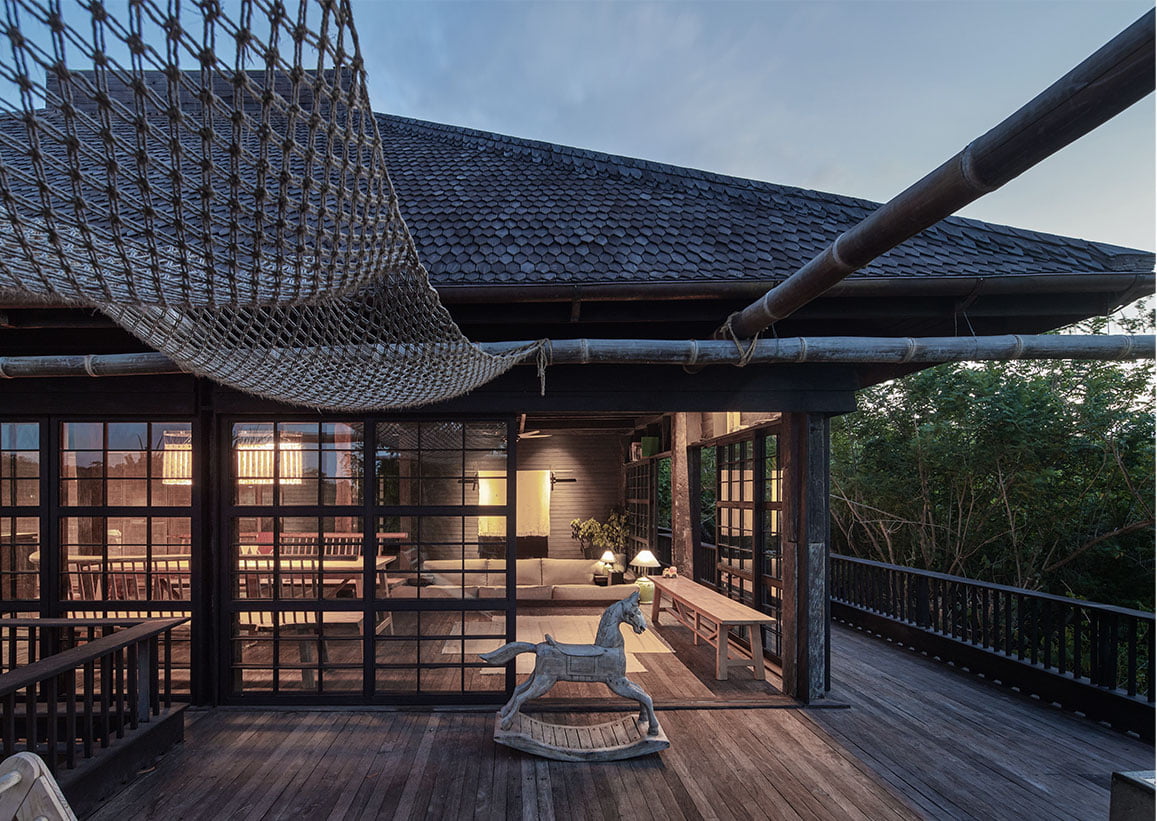
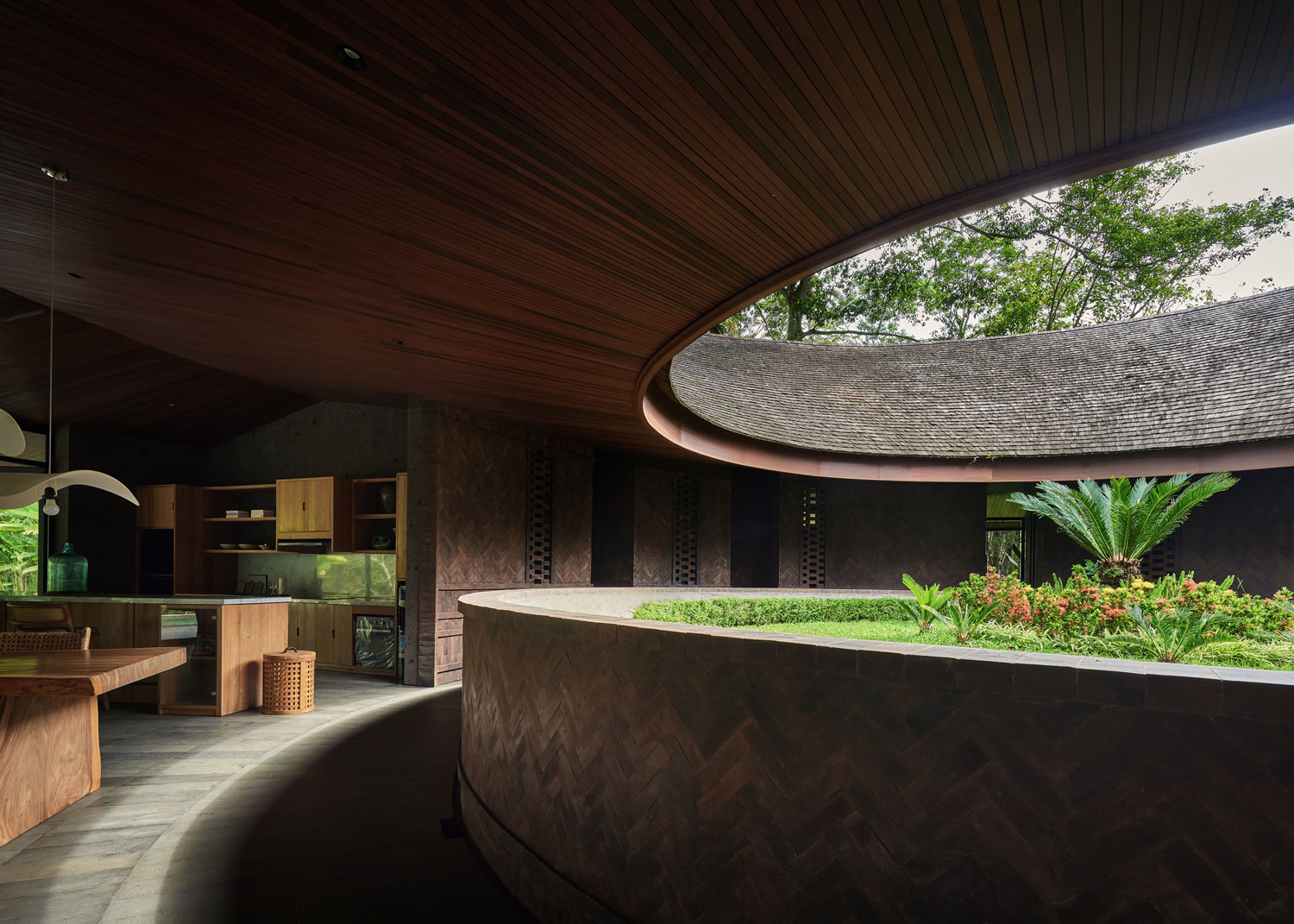
Private residences on Rote are for clients who have made a deliberate choice to build somewhere genuinely remote. The architecture responds to that choice — designing for the quality of isolation, the landscape’s horizontal scale, and the specific conditions of living on Indonesia’s southernmost island. Spatial layout, material selection, and environmental strategy are all shaped by an arid climate and the practical realities of a site far from established supply chains.

Contemporary penthouse residence in Hong Kong designed with refined architecture and panoramic city views

Hospitality

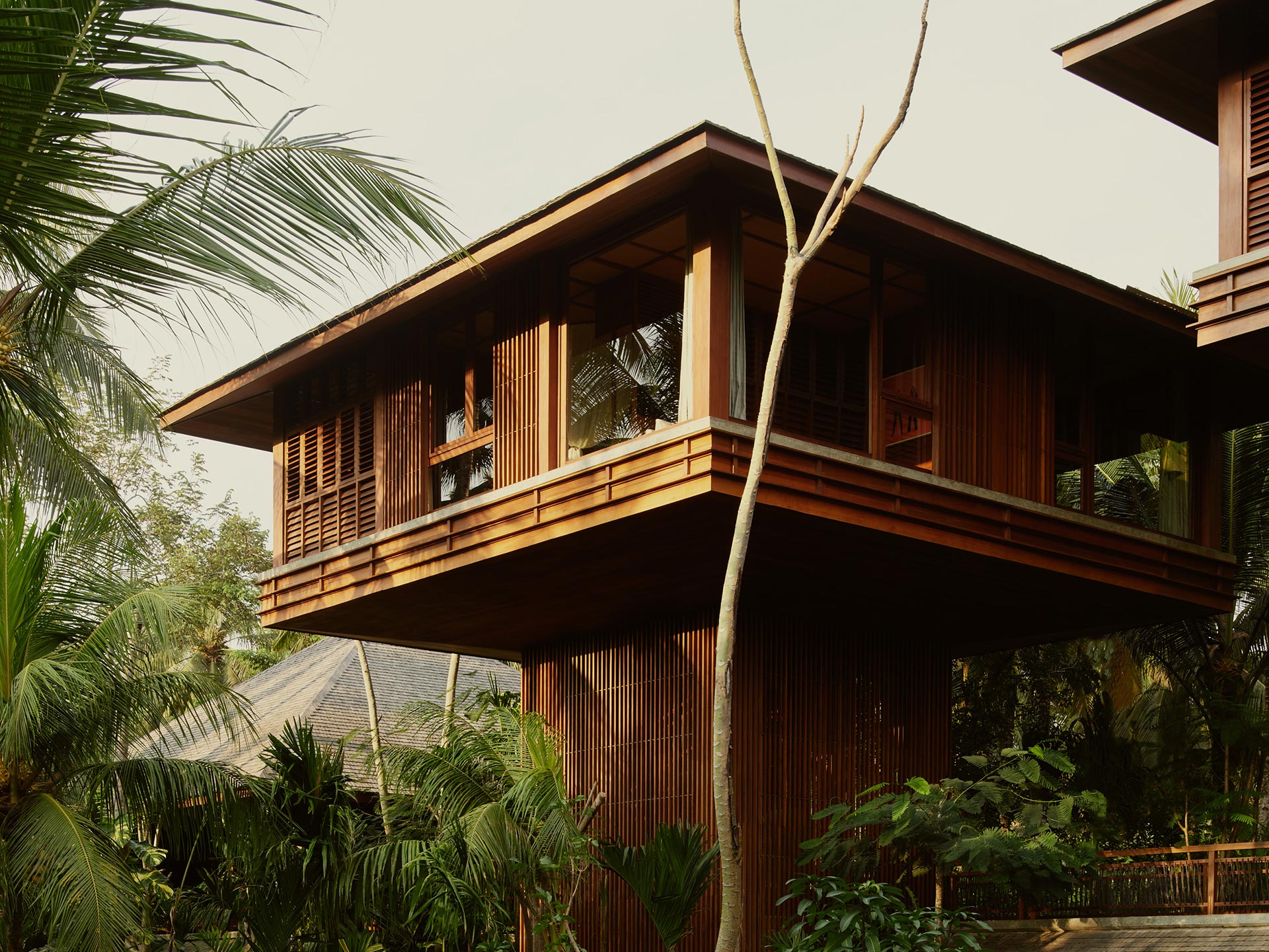
Small-scale hospitality on Rote is positioned around the island’s defining qualities: remoteness, surf, and a landscape that rewards those who seek it out. The studio designs boutique lodges and hospitality projects that make the most of what draws guests here – framing the savanna, orienting toward the coast, and creating spaces that feel earned rather than convenient. The architecture should intensify the experience of the place, not soften it.

Contemporary private residential architecture in Hong Kong designed with refined spatial clarity and modern architectural detailing

Resorts

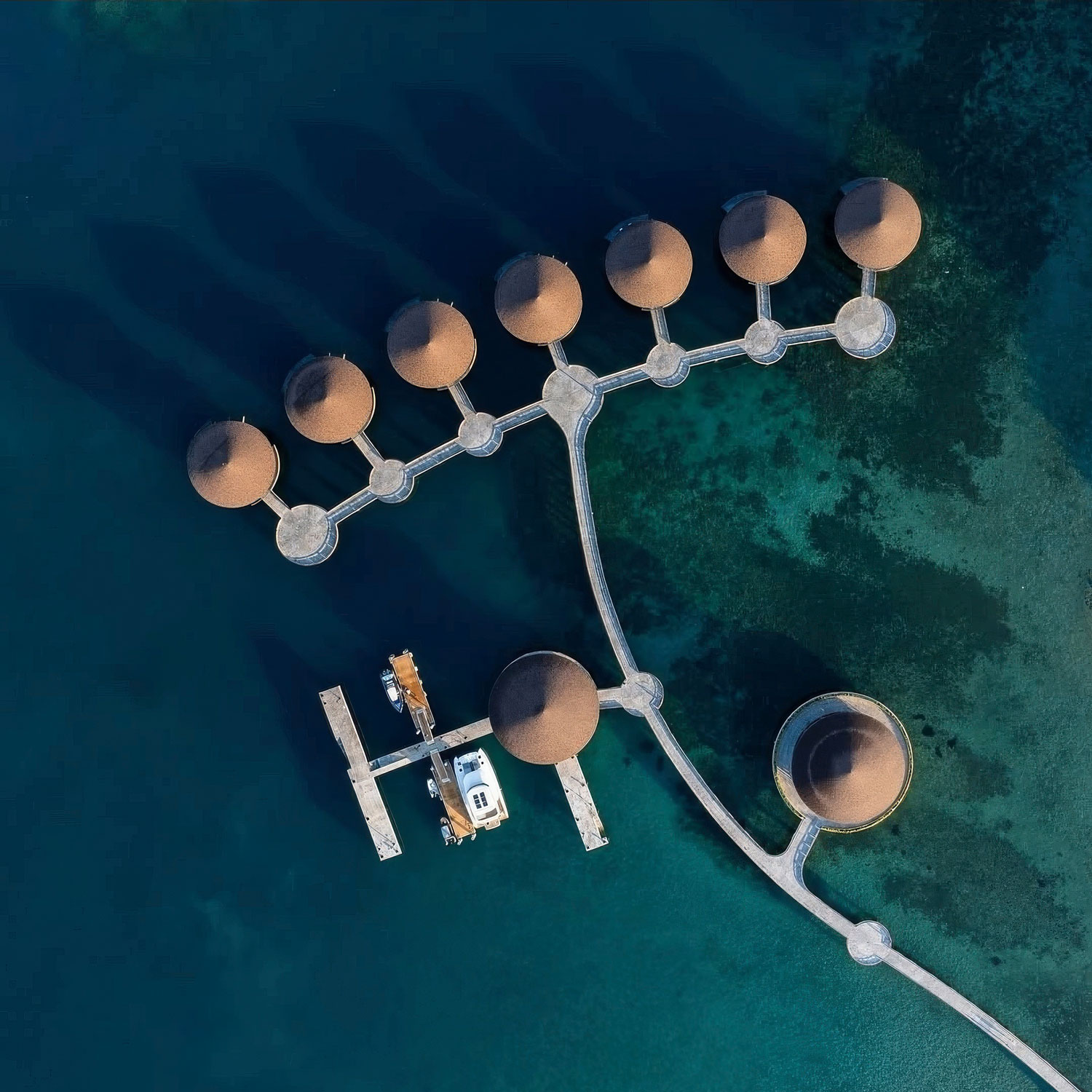
Low-density resort development on Rote requires a masterplanning approach that treats the landscape as the primary asset. The island’s openness and visual scale are easily compromised by buildings that are too dense, too tall, or too generic. The studio approaches resort projects here with a clear understanding of what makes Rote worth developing on – and designs accordingly, ensuring the built result protects and enhances rather than diminishes the qualities that made the site worth choosing.

Process

BUILDING IN ROTE ISLAND

Rote does not yet have a high-end architectural market in any meaningful sense. There is no cluster of benchmark villas, no established hospitality typology, and no design precedent that defines what luxury development looks like here. That absence is significant – it means the first serious projects on the island will set the standard, shaping how Rote is perceived as a destination and what clients and developers expect from architecture here. The opportunity is considerable for those prepared to approach the island seriously.

What Rote has is exceptional: a landscape of rare quality, a coastline that has drawn a dedicated international surf community for decades, and a degree of unspoiled remoteness that is increasingly difficult to find anywhere in Southeast Asia. The challenge of building here – logistics, supply chains, limited local infrastructure – is real. Still, it is also what has protected the island from the development pressures that have already transformed parts of Bali and Lombok. Architecture designed for these conditions, and that takes the landscape seriously, represents exactly the kind of work that belongs here.

Frequently Asked Questions

The limited infrastructure is inseparable from what makes Rote worth building on. The island has remained undeveloped precisely because it is not easy – and that difficulty has preserved a landscape quality that is genuinely rare. Clients who build here now are acquiring exceptional sites at a moment before demand catches up, and with the opportunity to define what the island becomes rather than joining a market that has already been established. The logistical challenge is real but manageable with the right approach built into the design from the start.

Rote attracts clients who have moved beyond the more established Indonesian island markets and are looking for something that feels genuinely uncompromised. Many have experience with projects in the more popular islands and are drawn to Rote by the quality of the landscape, the surf, and the sense of isolation that is increasingly hard to find elsewhere. These tend to be clients with a clear vision, a tolerance for the practicalities of remote development, and a strong preference for architecture that responds to its setting rather than replicating what has been done elsewhere.

Both are treated as primary design considerations rather than systems bolted on at the end. Water collection, storage, and management are designed into the building from the concept stage – roof geometry, ground treatment, and tank capacity are all part of the architectural brief. Energy independence through solar is standard on a site with Rote’s level of sun exposure, and the studio designs around off-grid or hybrid systems as the default assumption rather than the exception.

That is exactly the expectation. Rote has a completely different landscape character from Bali – the savanna, the lontar palms, the limestone, the dry light – and architecture that ignores that character in favour of a familiar tropical vocabulary produces buildings that feel misplaced. The studio’s approach starts from the specific conditions of each site on the island, developing a design response that belongs to Rote rather than simply arriving there.

Most Indonesian building locations are humid – the design challenge is typically managing moisture, ventilation, and rainfall. Rote reverses several of those priorities. Water scarcity during the dry season, intense solar exposure, and high daily temperature variation require different passive design strategies, different material selections, and a different approach to environmental performance. Buildings designed for Bali’s climate without adjustment would perform poorly on Rote – the studio designs specifically for where each project is located.

The south and southwest coasts – centred on Nemberala – represent the most established focus for high-quality development, driven by the surf and the quality of the coastline. Beyond Nemberala, there are coastal and inland positions across the island that offer significant landscape quality with even greater privacy and isolation. The most appropriate location depends entirely on the brief – the studio’s early site analysis process helps identify what a given plot genuinely offers before design decisions are made.

Yes, and many clients approaching the island are thinking about exactly this. A well-designed property in the right location – oriented toward the surf, the coast, or the landscape – has clear potential as a managed rental or boutique hospitality asset. The studio designs for this dual-use model from the brief stage, ensuring the architecture supports both private occupation and guest use without compromising either. As the island’s profile continues to grow, the positioning value of an early, well-built project is significant.

Remote construction oversight is a familiar part of the studio’s practice across Indonesia. For a Rote project this means a combination of regular site visits at key stages, close communication with the contractor and build team, and documentation detailed enough to allow work to proceed correctly between visits. The build programme and material sourcing strategy are both structured to reduce the risk of delays caused by supply or access issues, and those decisions are made as part of the design process rather than improvised during construction.

A conversation about the site and the brief. The studio will want to understand the location, your intentions for the project, and the conditions on the ground before anything else. From there, an early site assessment establishes what the land offers and what the constraints are – forming the foundation for a design process that is honest about what Rote requires and what it makes possible.

0
    0
    Your Cart
    Your cart is emptyReturn to Shop