• No products in the cart.
Back to top

ARCHITECT KALIMANTAN

Kalimantan presents one of the most demanding architectural contexts in Indonesia – remote sites, equatorial forest, and conditions that require a considered approach from the outset. The studio works on private residences and hospitality projects across the island, designing buildings that respond precisely to their setting rather than importing solutions from elsewhere.

About The Studio

Contemporary private residence in Hong Kong designed with refined architecture and framed harbour views within a dense urban environment

The studio approaches each project in Kalimantan through a careful reading of the land – its canopy structure, drainage patterns, river proximity, and the quality of light filtering through dense vegetation. Rather than imposing a predetermined form onto the forest, each design is developed in response to what the site already offers, minimising ground disturbance and allowing the natural environment to remain the dominant presence.

Designing within an equatorial rainforest requires particular attention to humidity, airflow, and thermal performance. Buildings in Kalimantan must manage sustained heat and moisture effectively while maintaining a strong visual and spatial connection to the landscape. These environmental realities shape structural decisions, material selection, and the organisation of open and sheltered space from the earliest stage of each project.

Kalimantan is at an early but significant moment in its architectural development. Growing interest in high-end residential and eco-hospitality projects – alongside the broader development shift brought by Indonesia’s new capital in East Kalimantan — is creating demand for architecture that responds thoughtfully to the region. Each project the studio takes on here is considered within this context: building carefully, building well, and ensuring the result contributes positively to both the site and its surroundings.

Areas of Work

hong-kong-hillside-peak-residence-architecture

Private Residences

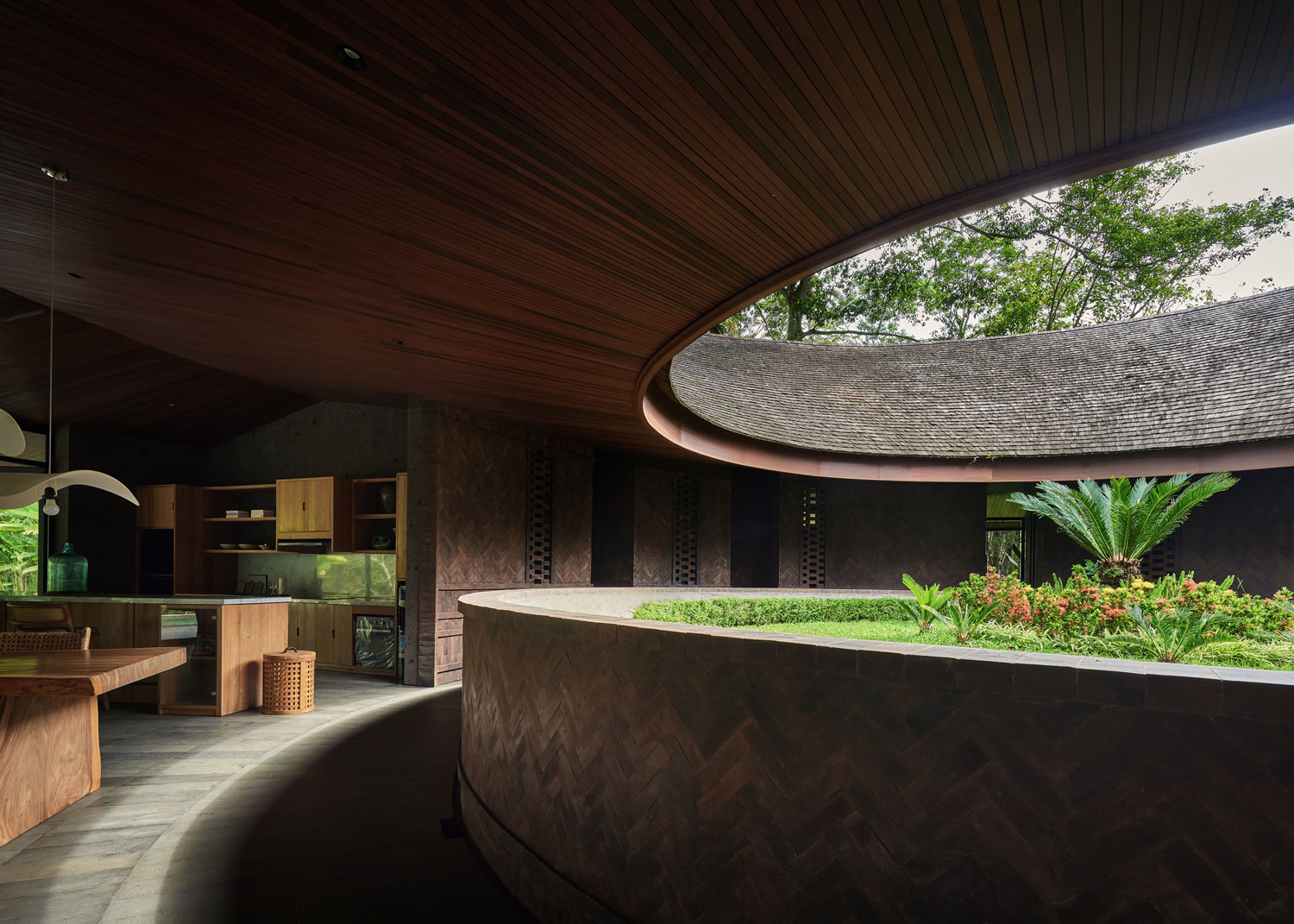
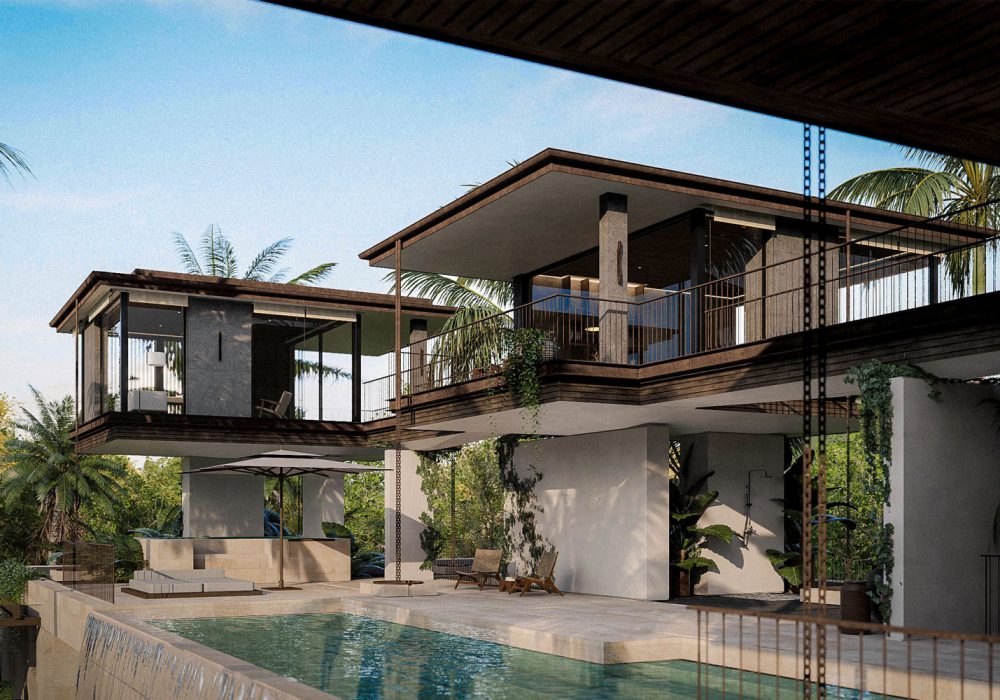
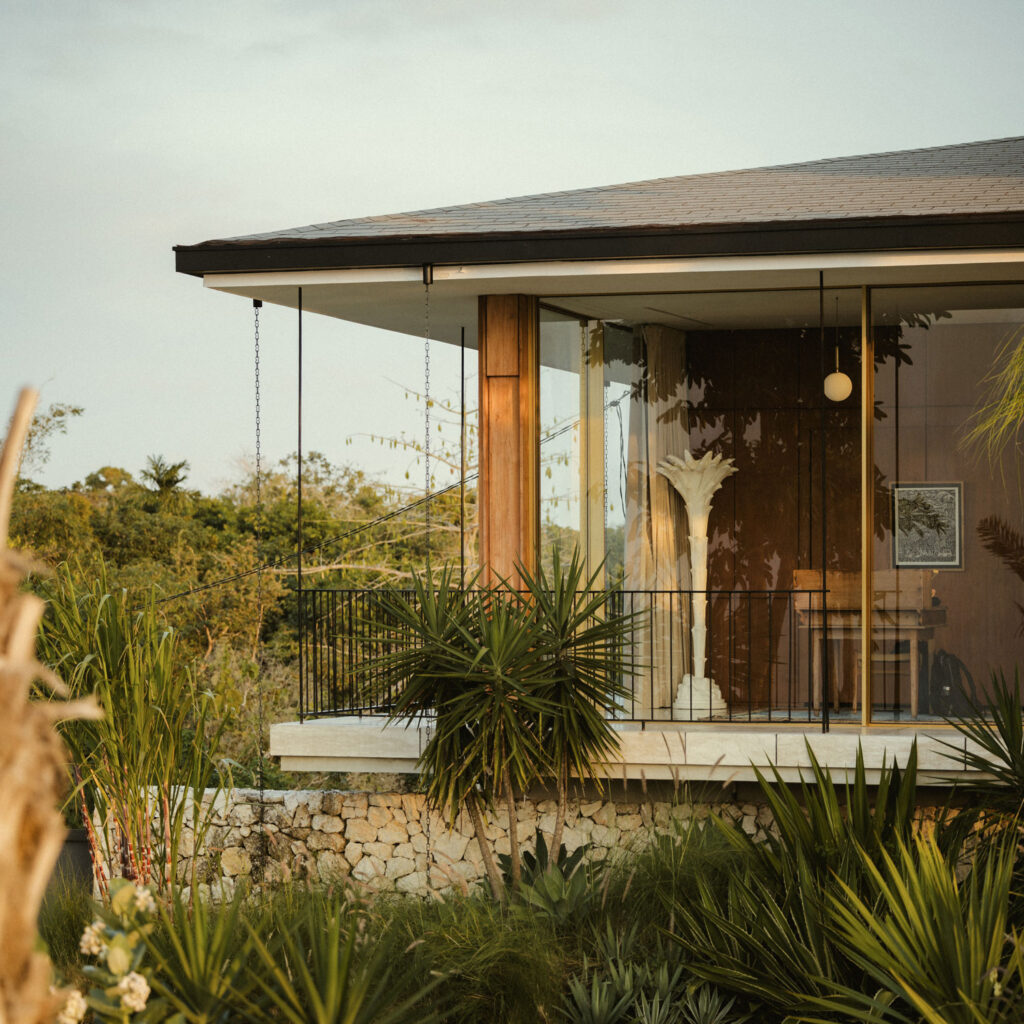
Private residences in Kalimantan are designed to sit within the forest rather than clear it. Each project considers elevation, orientation, and structural approach in response to the specific landscape – whether that means a canopy-level platform addressing a river view or a ground-anchored form shaped around existing tree cover. Privacy, light filtration, and the transition between sheltered and open living are central to every design.

Contemporary penthouse residence in Hong Kong designed with refined architecture and panoramic city views

Hospitality

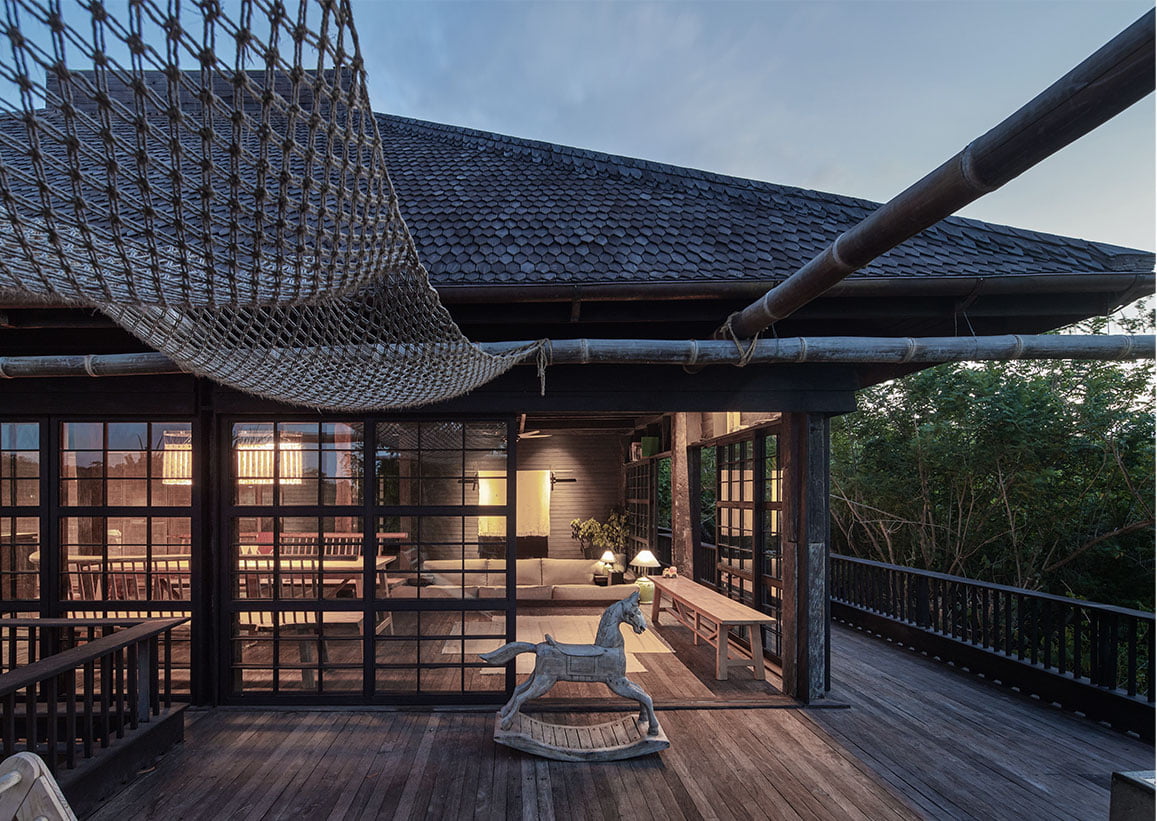
Boutique hospitality in Kalimantan centres on the experience of immersion – in the forest, the river, the scale of the canopy. Each project is designed to deliver that encounter with the natural environment while maintaining a high level of spatial and material refinement. Architecture is shaped around arrival sequence, guest movement, and the moments where the building opens to reveal the landscape beyond.

Contemporary private residential architecture in Hong Kong designed with refined spatial clarity and modern architectural detailing

Resorts

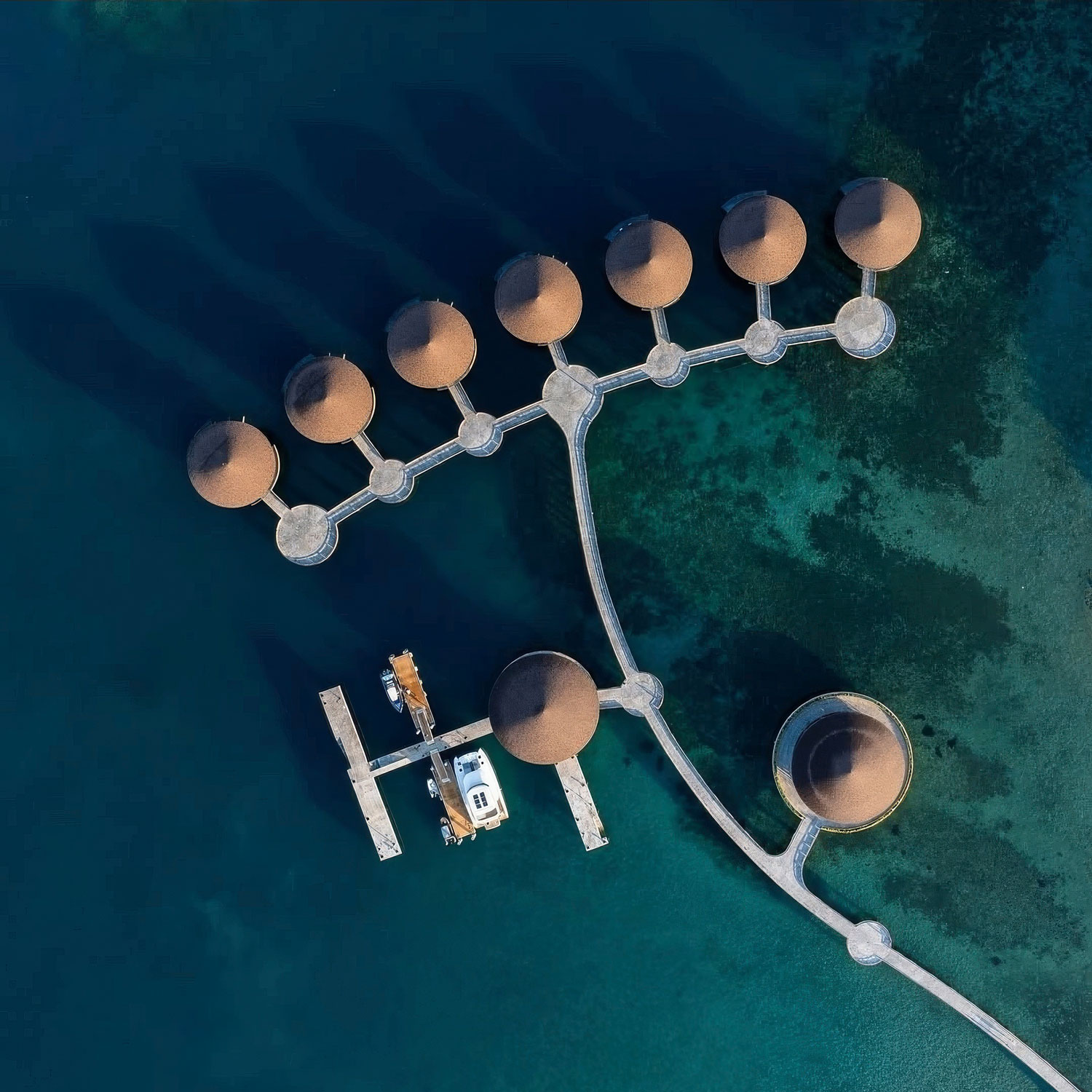
Resort planning within a jungle environment demands a different logic from coastal or terraced sites. Footprint, land disturbance, and the integration of structures within existing vegetation are considered from the masterplan stage. Layout and circulation are designed to make the most of the setting while keeping each building appropriately scaled, supporting both the guest experience and responsible long-term stewardship of the site.

Process

BUILDING IN KALIMANTAN

Kalimantan occupies a distinct position in the Indonesian architectural landscape. As the country’s largest land mass – and one of the world’s great equatorial forests – it presents conditions that are fundamentally unlike the coastal island settings where most high-end development has historically occurred. Building here demands a different kind of engagement: with remote logistics, ecological sensitivity, and a landscape that operates entirely on its own terms. Structures that succeed in this environment do so because they were designed for it specifically, not adapted from somewhere else.

Development interest in Kalimantan is growing. The relocation of Indonesia’s national capital to East Kalimantan has brought significant attention to the region, creating new demand for residential and hospitality architecture across a range of scales. Alongside this, a long-standing interest in eco-sensitive luxury development – river lodges, jungle retreats, private forest residences – continues to grow as the region becomes better known internationally. Architecture that responds to Kalimantan’s unique environment, rather than ignoring it, represents the most relevant and lasting work emerging from the island.

Frequently Asked Questions

These are among the more interesting sites to work with, and the studio has experience designing for them. Remote access changes the logic of construction significantly – it affects which materials are viable, how structure is detailed, and how the build programme is sequenced. All of this enters the design thinking early rather than being resolved during construction. The result is typically an architecture that is more refined and site-specific precisely because it has been thought through under real constraints.

Yes, and interest is growing. The combination of dramatic forest landscape, river-facing sites, and increasing accessibility – particularly in East Kalimantan following the announcement of the new capital – has created real demand for architecture at the higher end of the market. The key is working with an architect who understands the specific conditions of the island rather than applying an approach developed elsewhere. Projects that are designed for Kalimantan, rather than adapted to it, tend to perform significantly better spatially, environmentally, and in terms of long-term build quality.

Not if the design accounts for it from the outset. High humidity, sustained rainfall, and the absence of a dry season are all factors that influence material selection and detailing – but they don’t preclude a high standard of finish. The studio selects materials based on their performance in equatorial conditions, details junctions and openings to manage moisture effectively, and designs structures that age well rather than deteriorate quickly. The result is architecture that maintains its quality over time rather than fighting its environment.

The fundamental difference is what the building is orienting toward and what it needs to manage. Coastal architecture is largely about views, wind, and salt exposure. In Kalimantan, the landscape is the forest and the river – orientation is about canopy, light filtration, and water proximity rather than sea views. The structure often needs to address ground conditions, flood risk, and root systems rather than coastal erosion or salt air. The spatial experience is also different: it’s about immersion and enclosure rather than openness and horizon.

The relocation of Indonesia’s capital to East Kalimantan has shifted significant attention – and investment – toward the region. This is creating demand not only for infrastructure but for high-quality residential and hospitality architecture from clients who want to be positioned ahead of the development curve. The studio is well placed to work on projects in this context, bringing an approach that responds to the specific landscape of East Kalimantan while maintaining the spatial and material standards that distinguish the work from standard developer-driven output.

Yes. The studio works across the full scope of a project – from initial site analysis and concept through to detailed design and construction oversight. For hospitality projects in remote locations, maintaining involvement through the build phase is particularly important, as the complexity of the setting means decisions need to be made with an understanding of both the design intent and the construction reality. The studio coordinates with local contractors and suppliers while retaining clear responsibility for the architectural outcome.

Permitting in Kalimantan involves a different set of considerations from Bali or Lombok, particularly for sites that fall within or adjacent to protected forest areas. The studio works with local consultants and legal advisors who have direct experience of the regulatory environment in the relevant province, ensuring the project is structured correctly from the outset. Understanding what is permissible on a given site is part of the early site analysis, not something addressed later in the process.

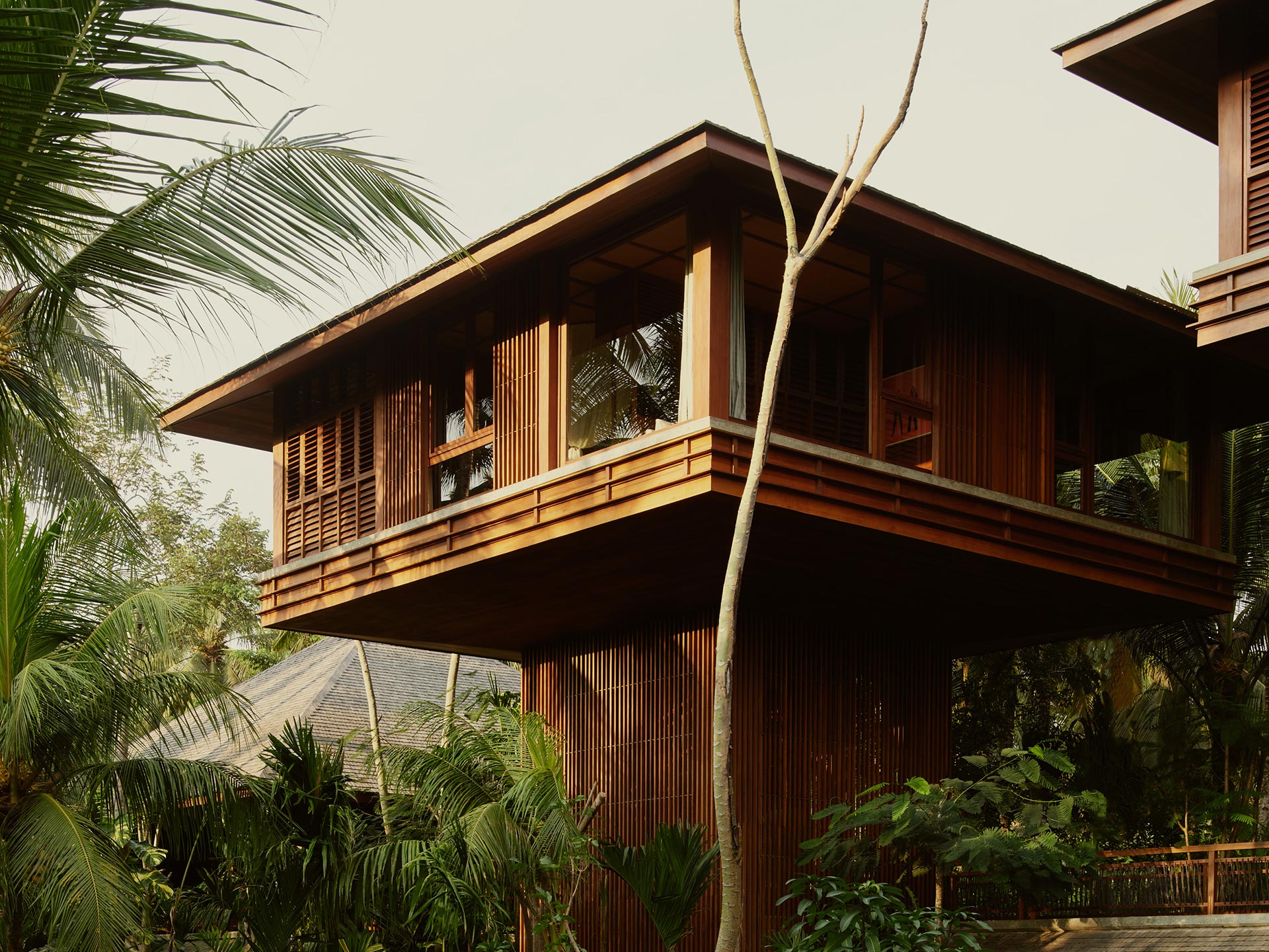
The most successful approach is one that treats the existing landscape as the primary asset and works to preserve and frame it rather than clear it. This typically means elevated structures that minimise ground disturbance, layouts that respond to tree positions and canopy cover rather than imposing a grid, deep overhangs that manage rainfall and shade, and materials that read naturally within the forest setting. The architecture should feel as though it grew from the site – not as though it was placed on top of it.

Start with a conversation. The studio will want to understand the location, the site conditions, and what you’re looking to build before discussing anything further. From there, an initial site assessment helps establish what the land offers and what constraints are in play – which forms the foundation for everything that follows. Early engagement allows the design process to begin from an informed position, and avoids the cost of resolving site issues after design work is already underway.

0
    0
    Your Cart
    Your cart is emptyReturn to Shop