• No products in the cart.
Back to top

ARCHITECT NUSA PENIDA

Finding an architect in Nusa Penida who understands limestone clifftop terrain, water scarcity, and the gap between this island’s landscape quality and its built environment is the starting point for any serious project here. The studio designs private villas, boutique hotels, and resort architecture across the Nusa Islands for clients ready to build something genuinely worthy of the location.

About The Studio

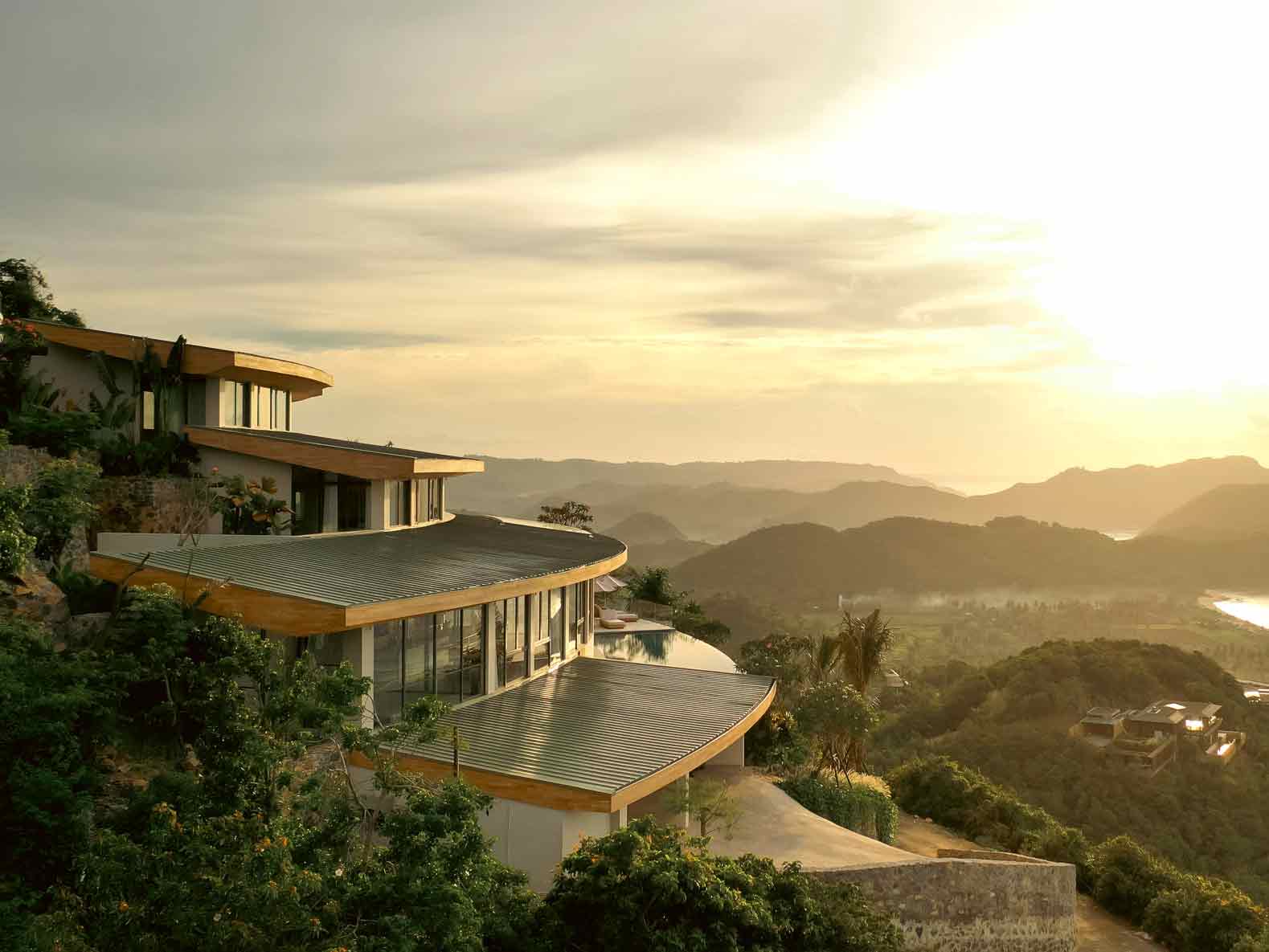
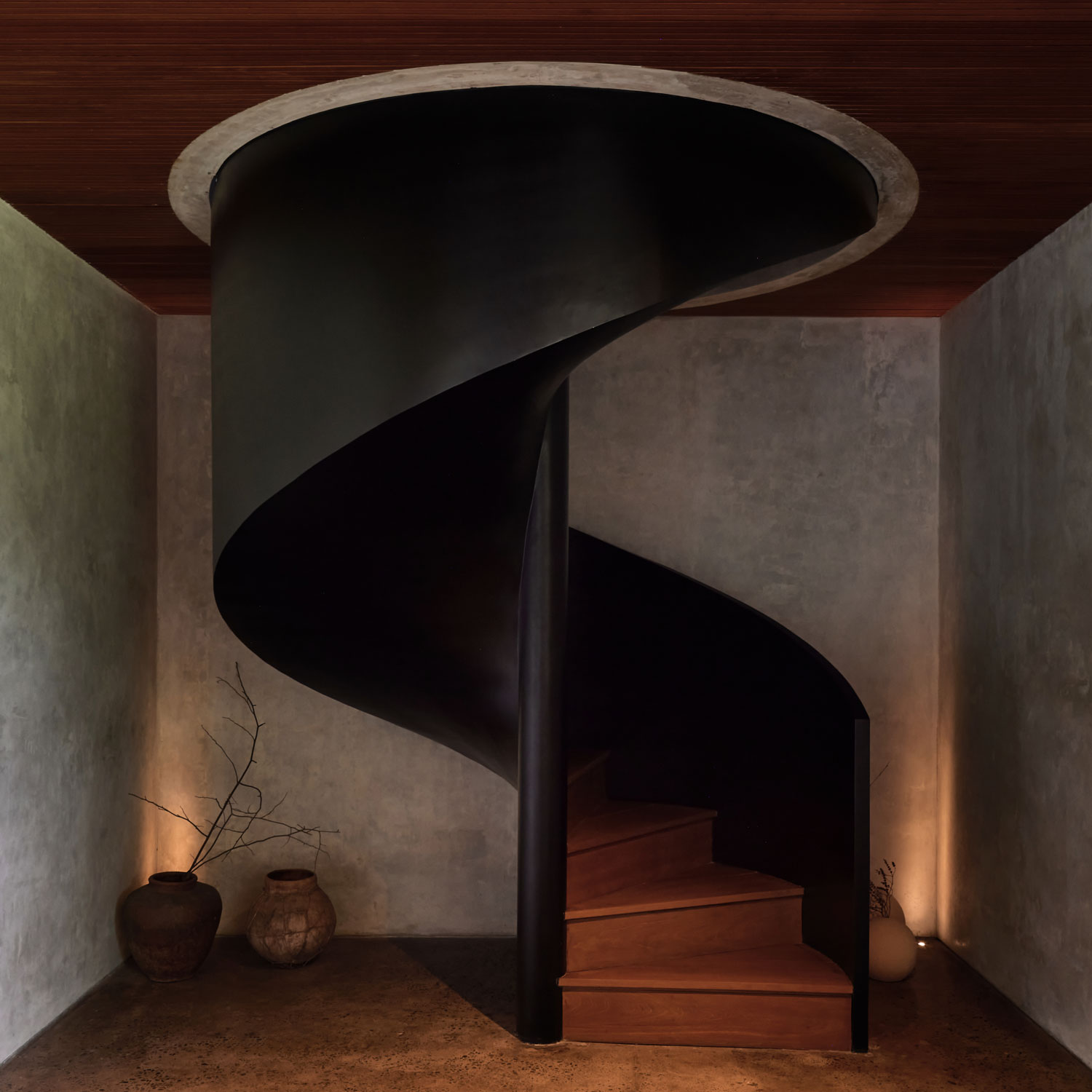
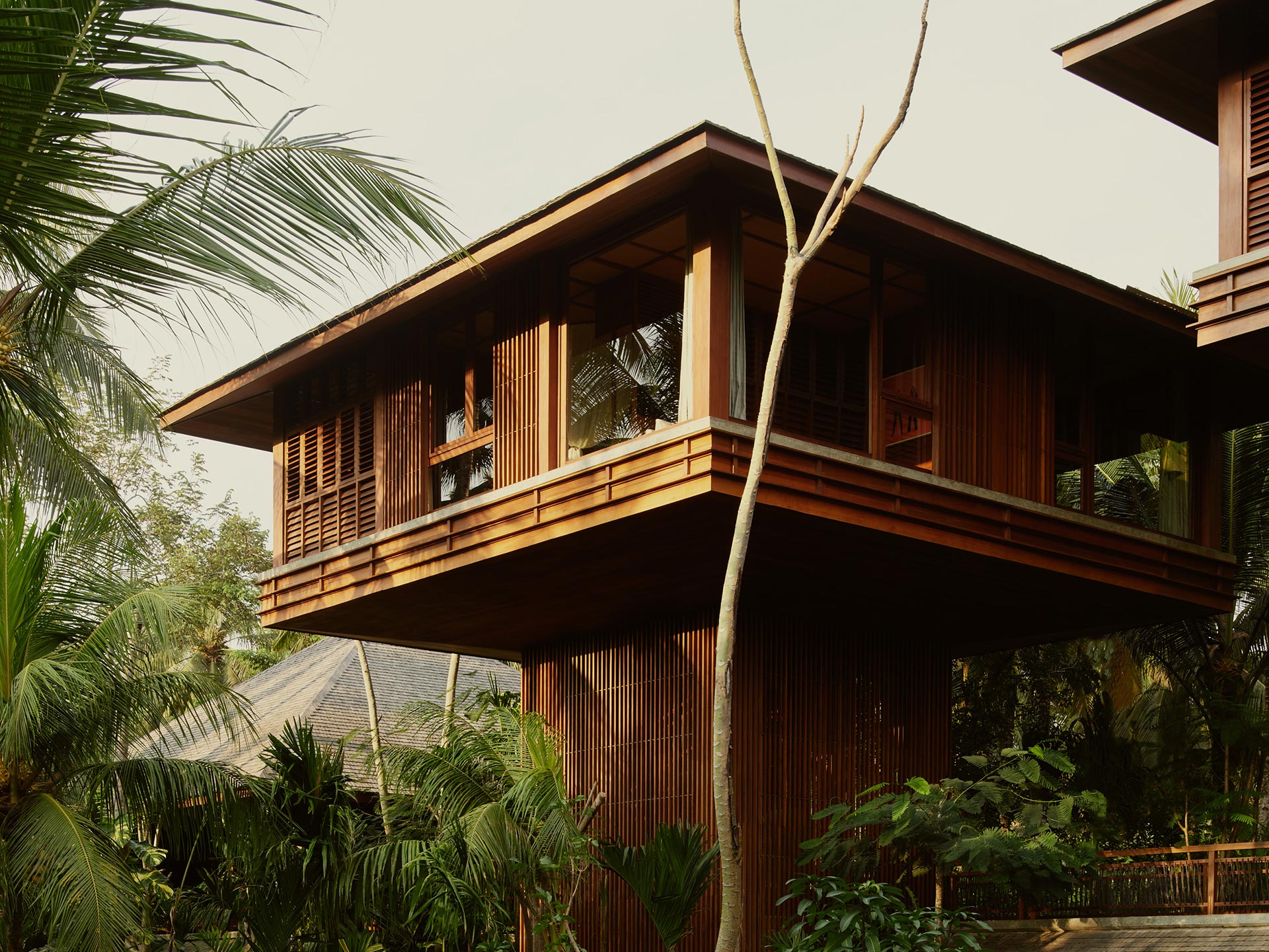
Alexis Dornier luxury villa design for a Nusa Penida residence

The studio approaches each project across the Nusa islands through a reading of what the specific site offers: its position on the limestone plateau, its orientation toward the clifftop edge, its relationship to the water and the horizon below. Nusa Penida, Nusa Lembongan, and Nusa Ceningan each present different conditions and a different development context, and the studio distinguishes between them rather than treating the three islands as interchangeable.

Building on limestone clifftop terrain at the scale of the Nusa islands offers demands for specific structural and environmental thinking. The dramatic drops of the south coast, which make sites here so compelling, also expose buildings to significant wind loading, salt air, and the particular challenges of working on a porous limestone substrate. Water scarcity is a genuine constraint. The islands have no rivers and limited groundwater, which makes rainwater collection and storage a primary design obligation from the concept stage rather than a detail resolved later.

The Nusa islands sit within easy reach of Bali, 30 to 45 minutes by fast boat from Sanur, which makes them accessible for clients whose primary base is on the mainland. That proximity also means the islands are under significant development pressure, with construction accelerating at a pace that has not been matched by design quality. The studio’s interest here is in producing architecture that reflects the actual quality of these landscapes: clifftop positions, limestone edges, and open ocean views that deserve buildings designed specifically for them.

Areas of Work

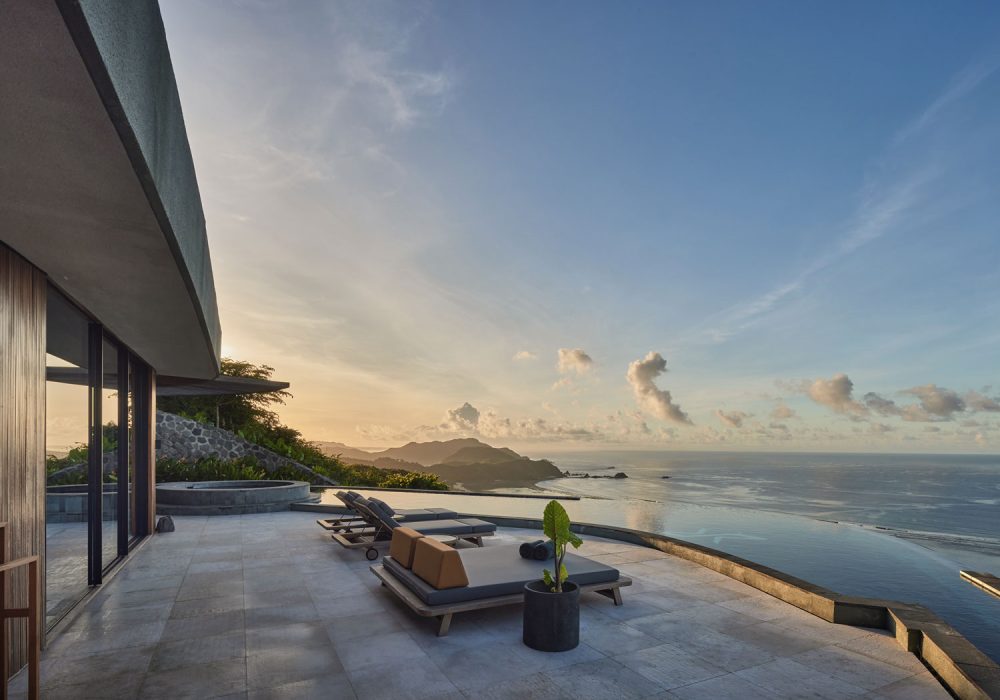
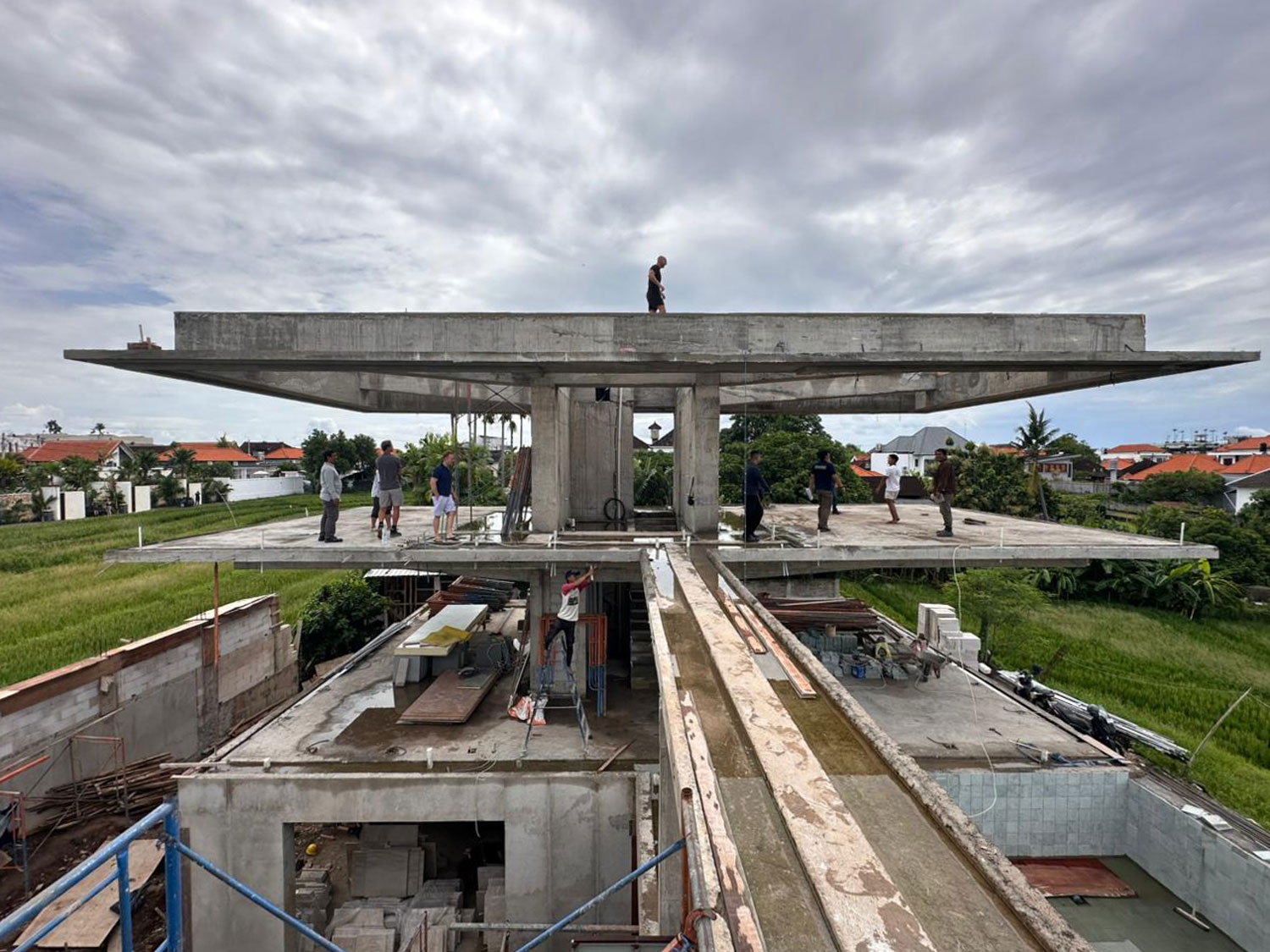
alexis-dornier-architect-nusa-penida-villa-elevated-pool-terrace

Private Residences

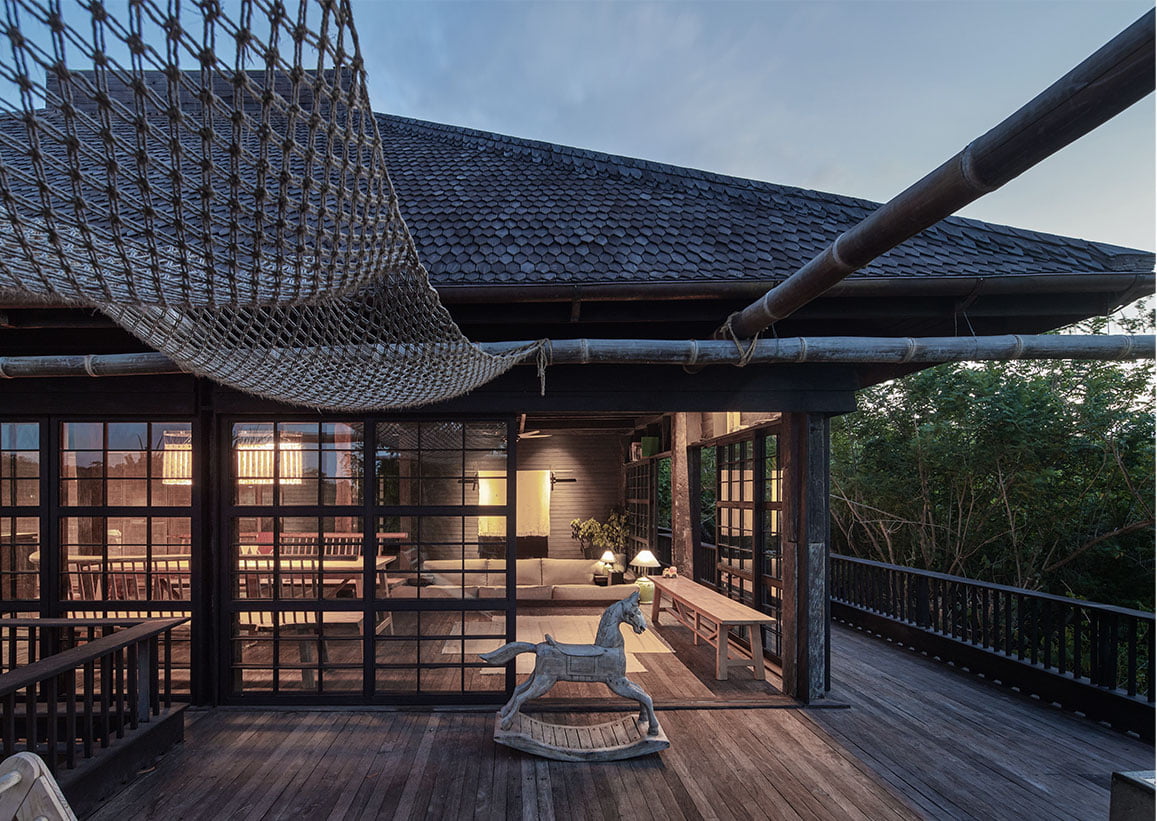
Private residences on the Nusa islands are built for clients who want a base within reach of Bali but with a completely different landscape character: limestone cliffs, open ocean, and the sense of remove that the crossing by boat creates. Each project is shaped by the specific conditions of its site: the edge of the plateau, the direction of the drop, the quality of the view, and the environmental demands of a clifftop position. Design decisions are made for the long term, producing buildings that perform well in this environment over time, not just on first impression.

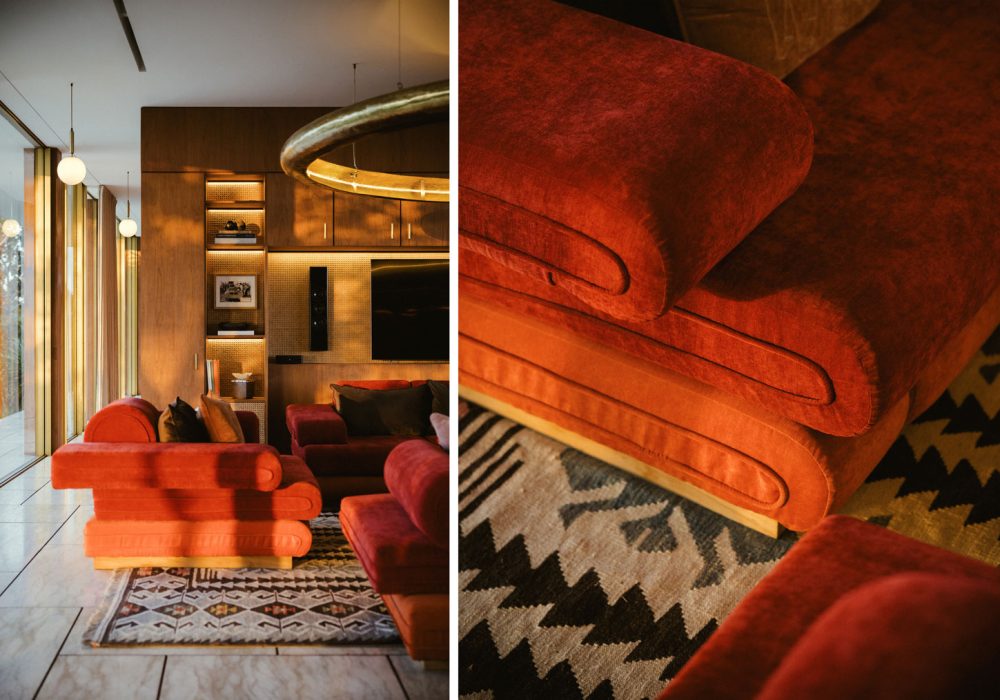
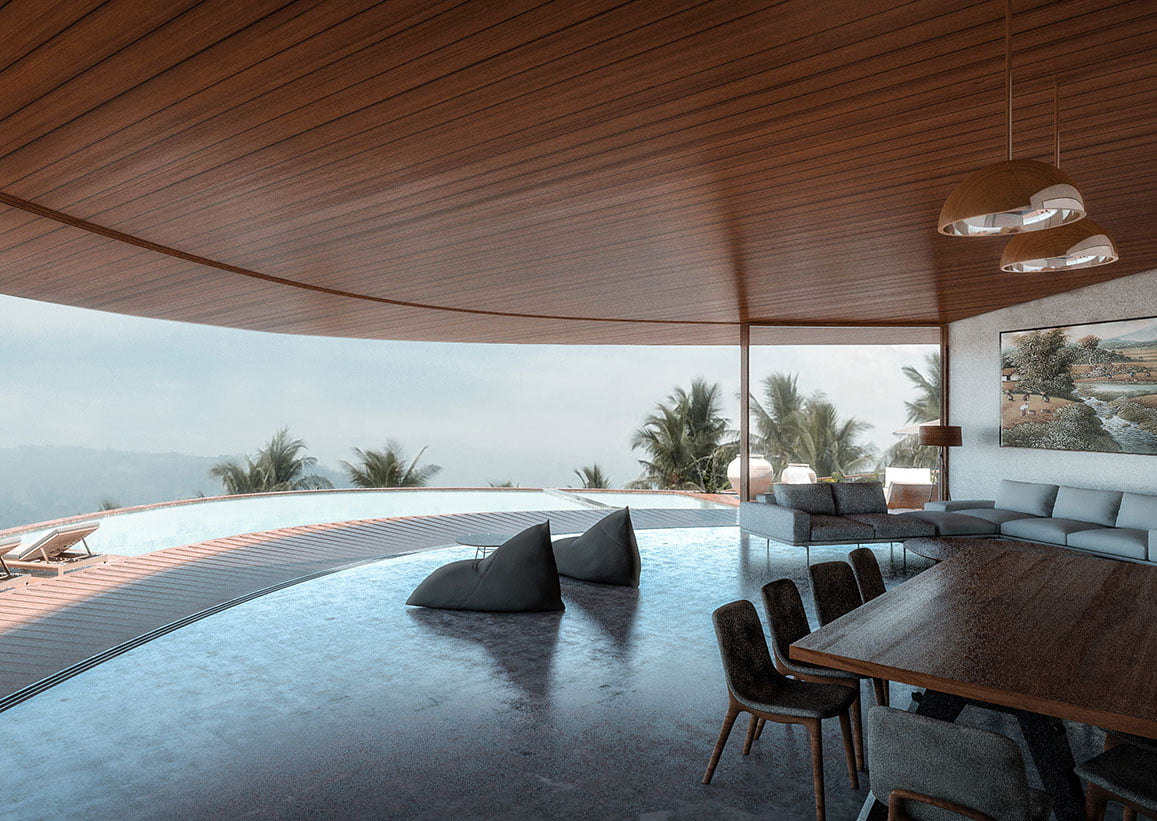
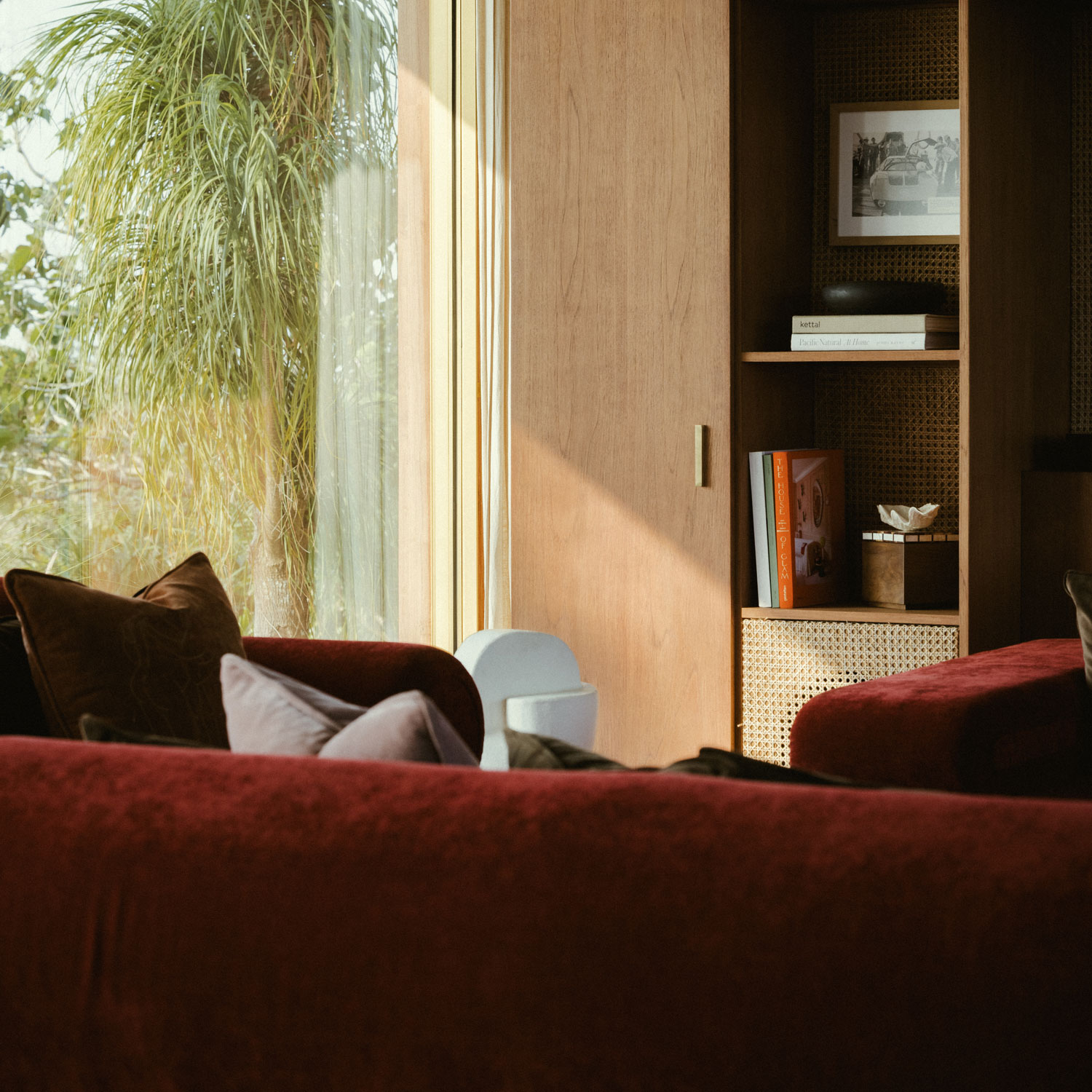
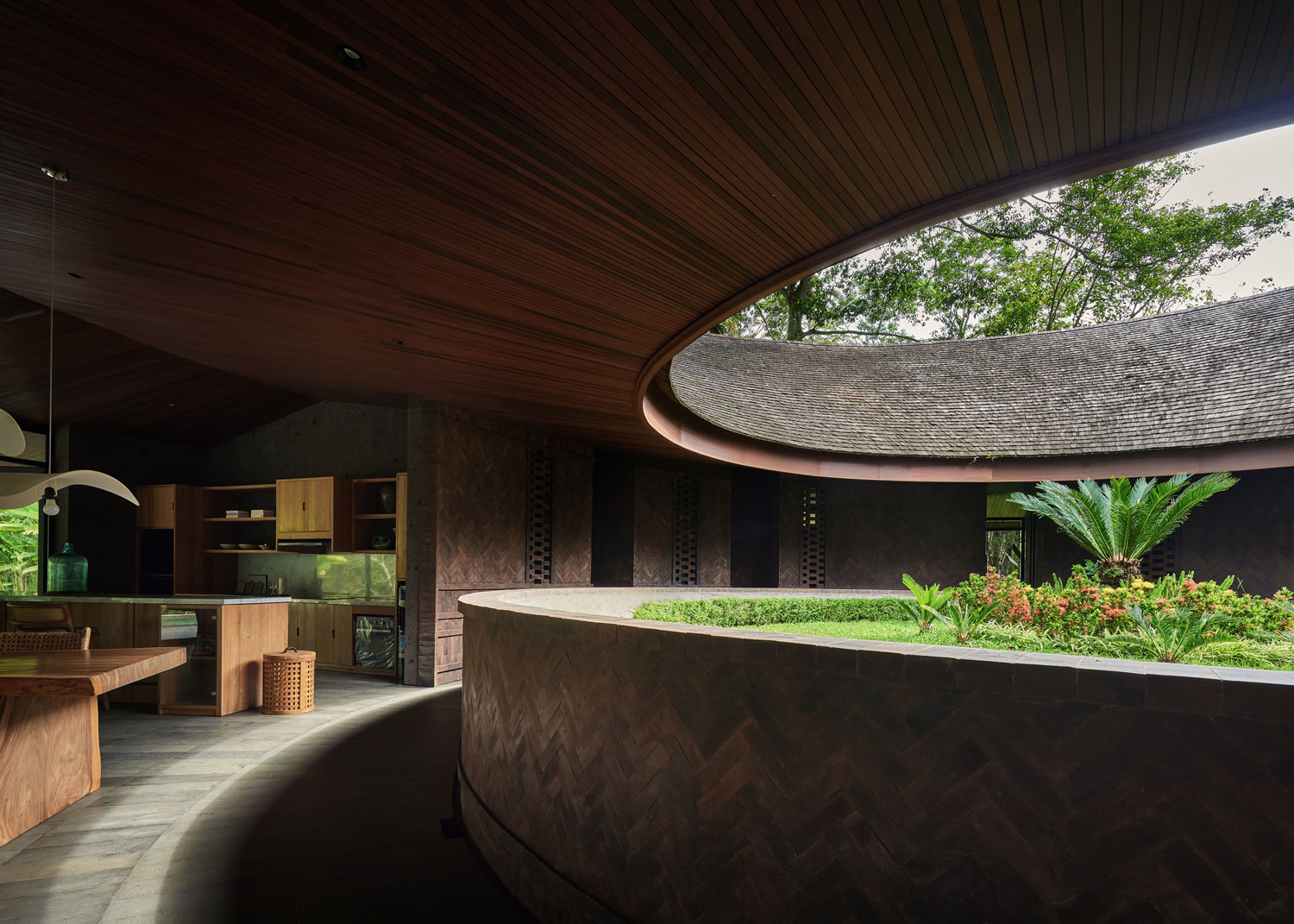
Alexis Dornier interior design for a private villa living room in Nusa Penida with custom furniture

Hospitality

Boutique hospitality across the Nusa islands sits in a market dominated by budget and mid-range accommodation that has grown quickly but not thoughtfully. The studio designs hotels and small resort properties that are built around the experience of the landscape: the clifftop position, the ocean view, the spatial quality that comes from a building that has been genuinely designed for its site. These projects serve a guest market that is already arriving at Nusa Penida in large numbers and is consistently underserved at the higher end.

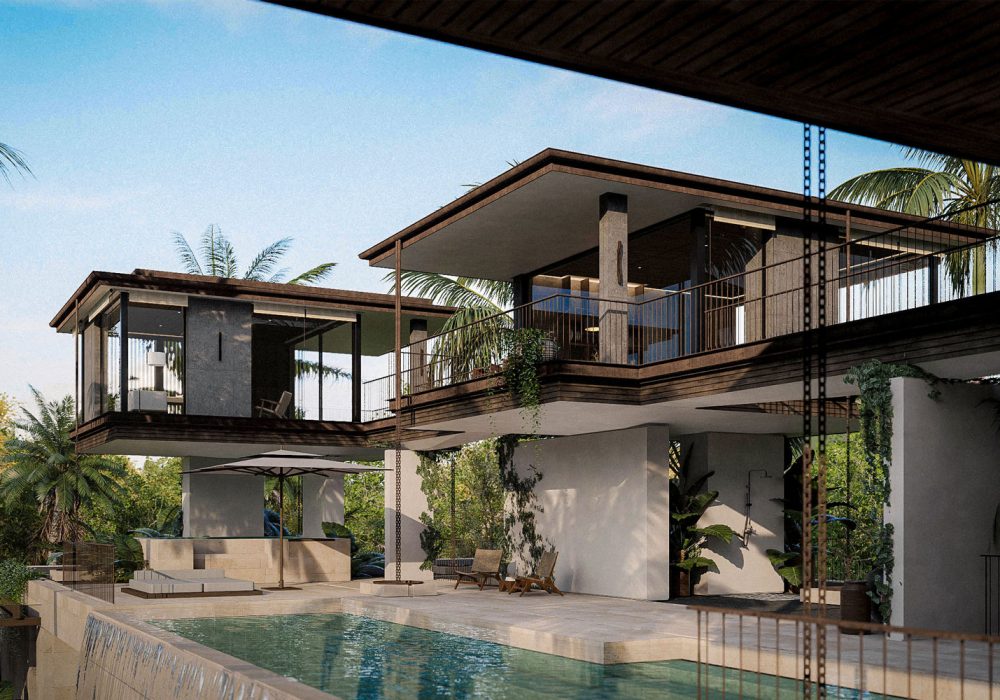
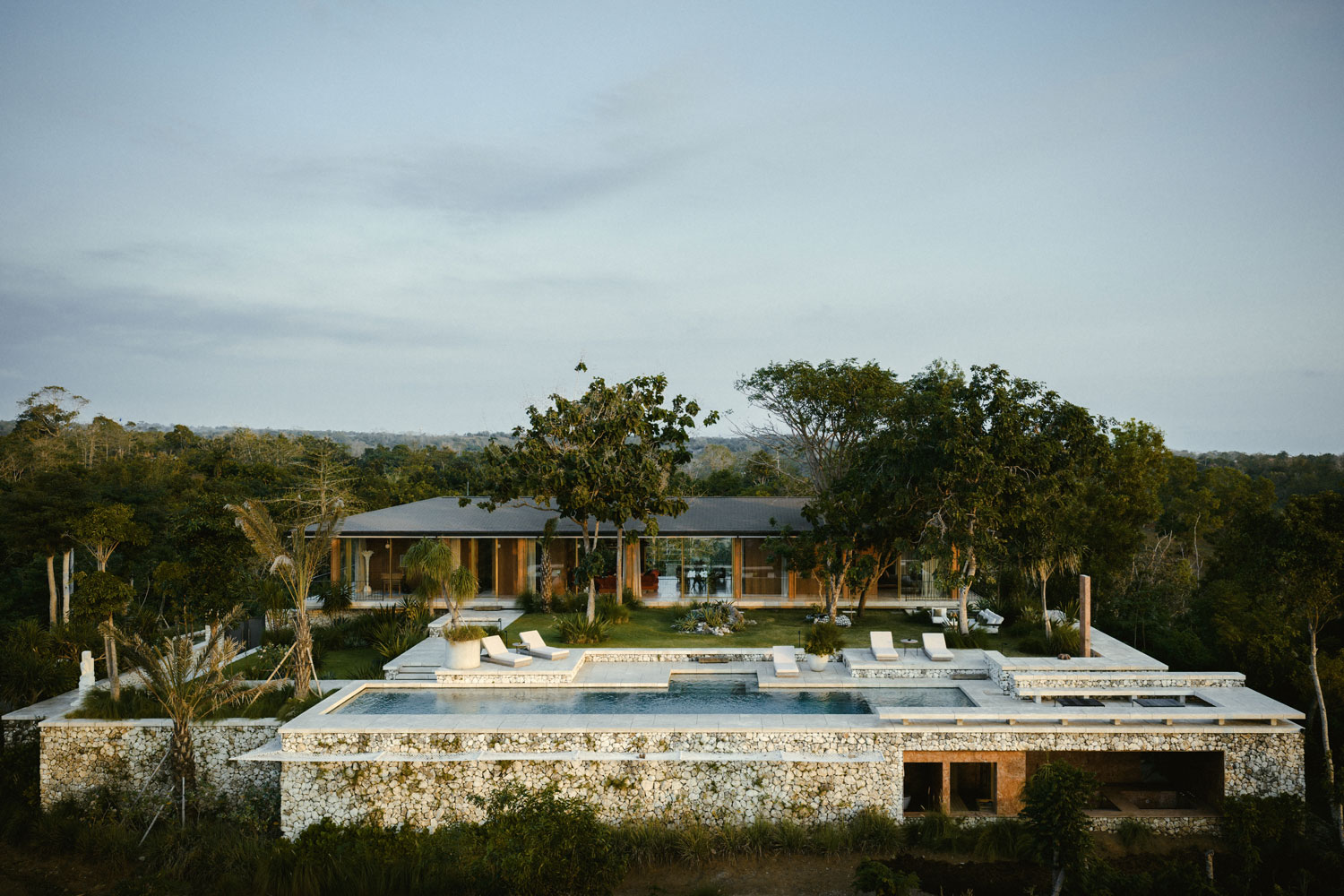
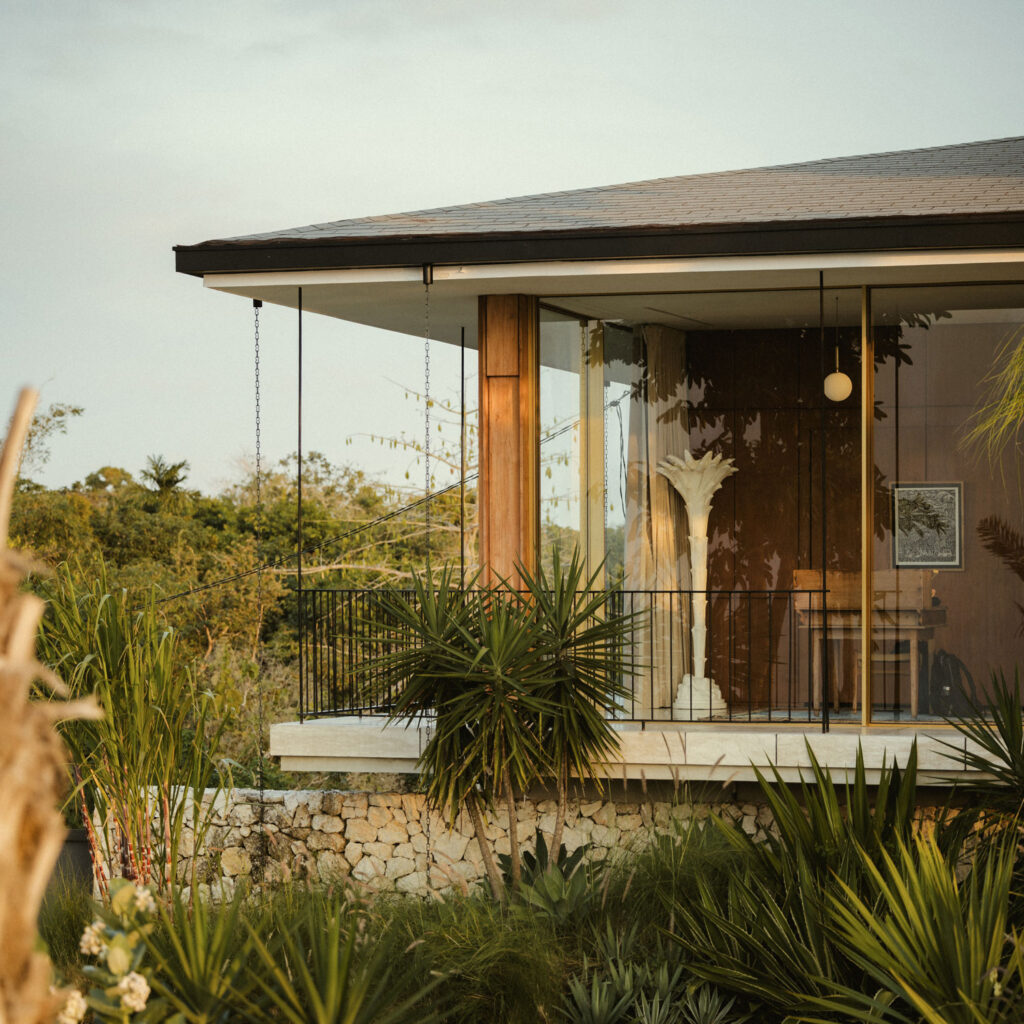
alexis-dornier-clifftop-villa-infinity-pool-ocean-view

Resorts

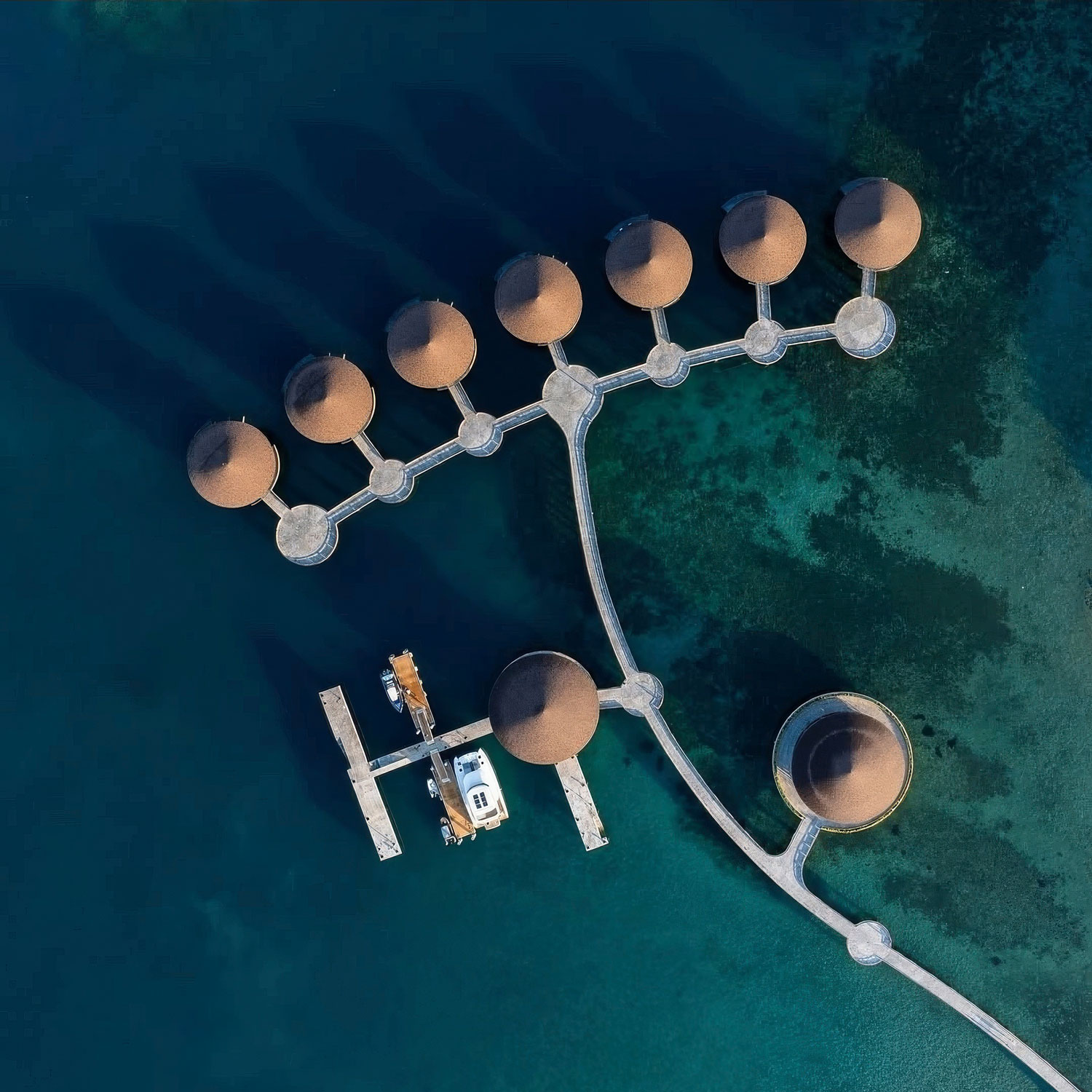
Small resort development on the Nusa islands requires a masterplanning approach that is honest about what the landscape offers and what it can sustain. The south coast of Nusa Penida in particular has a scale and drama that is easily undermined by over-dense or poorly sited development. The studio approaches resort projects with footprint, orientation, and the visual relationship between buildings and the clifftop edge considered from the earliest stage, ensuring the result adds to the quality of the location rather than competing with it

Process

BUILDING IN NUSA PENIDA

Nusa Penida is the most visited and least well-built of the landscapes immediately accessible from Bali. The south coast, including Kelingking, Diamond Beach, Angel’s Billabong, and Broken Beach, receives an extraordinary volume of international visitors, and the accommodation and infrastructure serving that demand has been constructed quickly, cheaply, and with almost no architectural consideration. The gap between the quality of the landscape and the quality of what has been built on it is wider here than perhaps anywhere in the Bali region. That gap is both the context and the opportunity for architecture that takes the island seriously.

Nusa Lembongan and Nusa Ceningan offer a different development context: smaller in scale, with a more established mid-market hospitality base and a softer coastal character than the dramatic clifftop landscape of Penida. Development on these islands has been more incremental, and the opportunity for genuinely considered architecture sits in the upper tier of what the hospitality market here is beginning to demand. The studio approaches all three islands as distinct contexts, designing for the specific conditions and market position of each.

Key considerations for building in Nusa Penida:

  • Limestone structure: The island’s substrate requires specific engineering attention. Porous limestone affects foundation design, drainage, and the structural approach to clifftop positions.
  • Water scarcity: No rivers or reliable groundwater exist across the islands. Rainwater collection and storage capacity must be designed as a primary building system from the concept stage.
  • Wind exposure: The south coast clifftop positions are among the most exposed in the Bali region. Structural and spatial design must account for this from the outset.
  • Day visitor pressure: Landmark sites on the south coast attract large numbers of day visitors. Privacy, site access, and visual separation from public viewpoints are active design considerations.
  • Boat-dependent logistics: All materials and contractors arrive by sea from Bali. Build programme, material specification, and construction sequencing are structured around this reality.
  • Development proximity to Bali: The islands’ accessibility drives rapid development pressure. Well-designed projects have a clear market advantage in a supply that is overwhelmingly generic.

Frequently Asked Questions

The tourist volume is precisely what creates the commercial opportunity, and the design challenge is to build something that sits above it rather than within it. The island’s day visitor traffic concentrates around a handful of landmark sites. Well-positioned private residences and boutique hospitality projects can offer a level of privacy and landscape access that is completely separate from that experience. The demand from international guests for high-quality accommodation here significantly outpaces supply. Architecture that is genuinely designed for the clifftop landscape has a clear and growing market.

With specific structural and geotechnical attention from the earliest stage. Porous limestone behaves differently from the volcanic rock and clay soils that underpin most Bali construction, and foundation design, drainage, and the structural approach to cantilevered or edge-facing elements all need to respond to the specific conditions of the site. The studio works with engineers who understand the limestone substrate on these islands and integrates the structural strategy into the architectural design from the concept stage rather than resolving it as a separate engineering problem.

Water independence is a primary design requirement on the Nusa islands, not an optional sustainability measure. The studio designs rainwater collection and storage into the building as a core system, sized for the site’s catchment area, the anticipated demand, and the length of the dry season. Grey water recycling and careful demand management are also built into the design where the brief supports it. Buildings designed with genuine water independence from the outset are more resilient and more commercially sound over their lifetime than those that rely on trucked or purchased water.

In several important ways. The substrate is limestone rather than volcanic rock, which changes the structural and drainage logic significantly. There is no reliable water supply, so the design must provide for its own. The supply chain for materials and labour runs through a boat crossing from Bali, which affects every aspect of the construction programme. The regulatory environment falls under Klungkung Regency rather than Bali’s more familiar permitting structure. The landscape character of white limestone cliffs above turquoise water is completely different from anything on the mainland and demands an architectural response designed specifically for it.

Strong, and largely unmet. The island receives a very large volume of international visitors, the majority of whom are day-trippers from Bali precisely because the quality of overnight accommodation has not been sufficient to retain them. A well-positioned, well-designed boutique property on the island, with genuine clifftop access, spatial quality, and a level of finish appropriate to an international luxury guest, occupies a market position that barely exists in the current supply. The upside for early, well-executed projects is significant.

Yes. Nusa Penida, Nusa Lembongan, and Nusa Ceningan each have distinct characters, development histories, and site conditions. The studio approaches each on its own terms. Penida offers the most dramatic landscape and the greatest gap between setting quality and built standard. Lembongan has a more established hospitality infrastructure and a softer coastal character suited to a different scale of project. Ceningan is the smallest and most intimate of the three, with limited but interesting development possibilities. The right island depends entirely on the brief and the site.

More straightforward than the pioneer island markets but still requiring a considered approach. Sumba has an established contractor base familiar with high-end residential and hospitality

Site selection, orientation, and access design are all used to create meaningful separation from the public visitor circuits. The landmark sites on Nusa Penida’s south coast draw significant foot traffic to specific viewpoints, but there is substantial coastline and plateau land between these that is far less visited and offers genuine privacy. For projects adjacent to more trafficked areas, the studio designs site access, visual screening, and the relationship between the building and the public edge carefully from the outset.

, and supply chains are more developed than on smaller or more remote islands. The challenges are those of any site-specific build in a location with a pronounced dry season – material sourcing, programme sequencing around weather, and maintaining quality of finish in a climate that tests materials continuously. The studio builds these realities into the design and programme from the outset.

A conversation about the site and what you want to build. The studio will want to understand the specific island, the plot conditions, and your intentions for the project before anything else. From there, an early site assessment covering the limestone substrate, water situation, regulatory context, and access logistics establishes what the land genuinely offers and what building here requires, forming the foundation for a design process specific to the Nusa islands and specific to your project.

0
    0
    Your Cart
    Your cart is emptyReturn to Shop