01. Understanding the Site
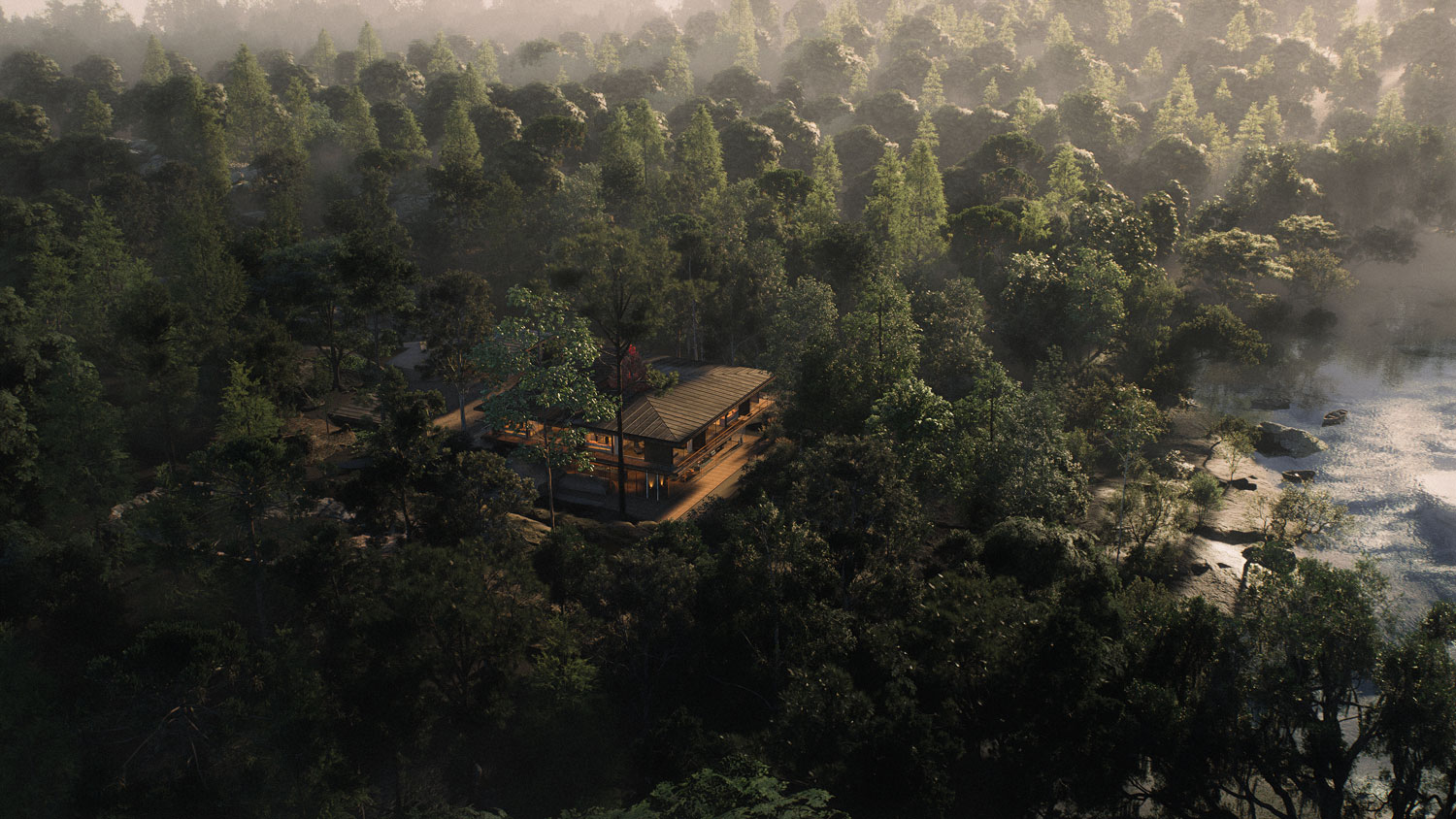
Every project in Labuan Bajo begins with a thorough reading of the site and its regulatory context. Proximity to the Komodo National Park introduces conservation and building restrictions that vary by location and require early clarification. Understanding what is permissible on a given plot is part of the site analysis, not a question left for later in the process. Topography, coastal orientation, harbour views, and the relationship to surrounding development are assessed alongside these regulatory conditions to establish what the site genuinely offers.

02. Defining the Brief
The brief for a Labuan Bajo project is defined within the context of a market that is developing rapidly and in full international view. Whether the project is a private residence, a boutique hotel, or a larger hospitality development, the brief addresses both the immediate design ambitions and the longer-term position the building will occupy in a destination that is still establishing its architectural character. Scale, programme, operational requirements, and the regulatory framework are all addressed before design work begins.

03. Concept Development
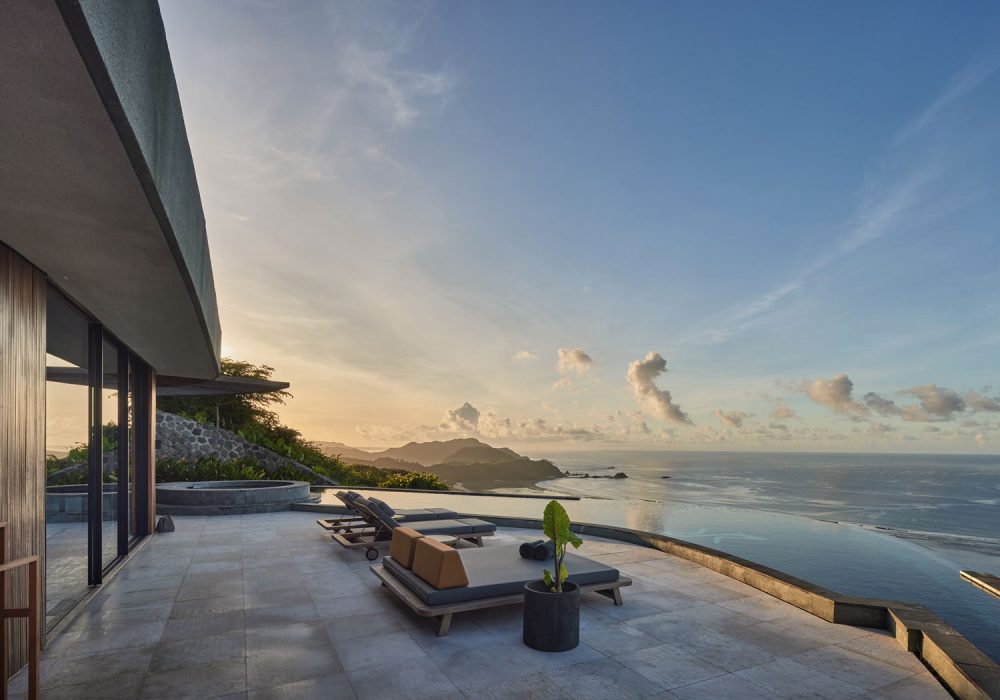
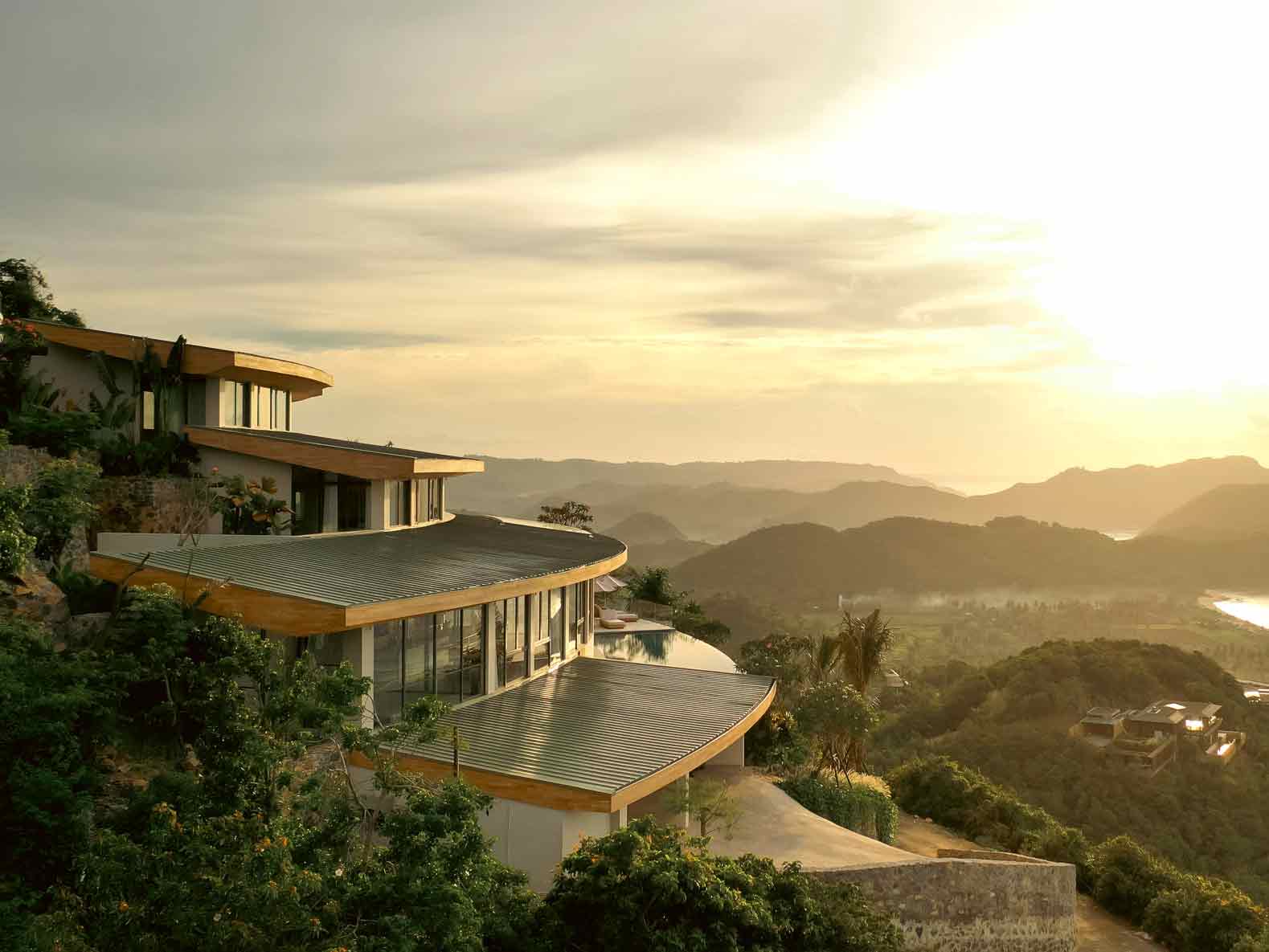
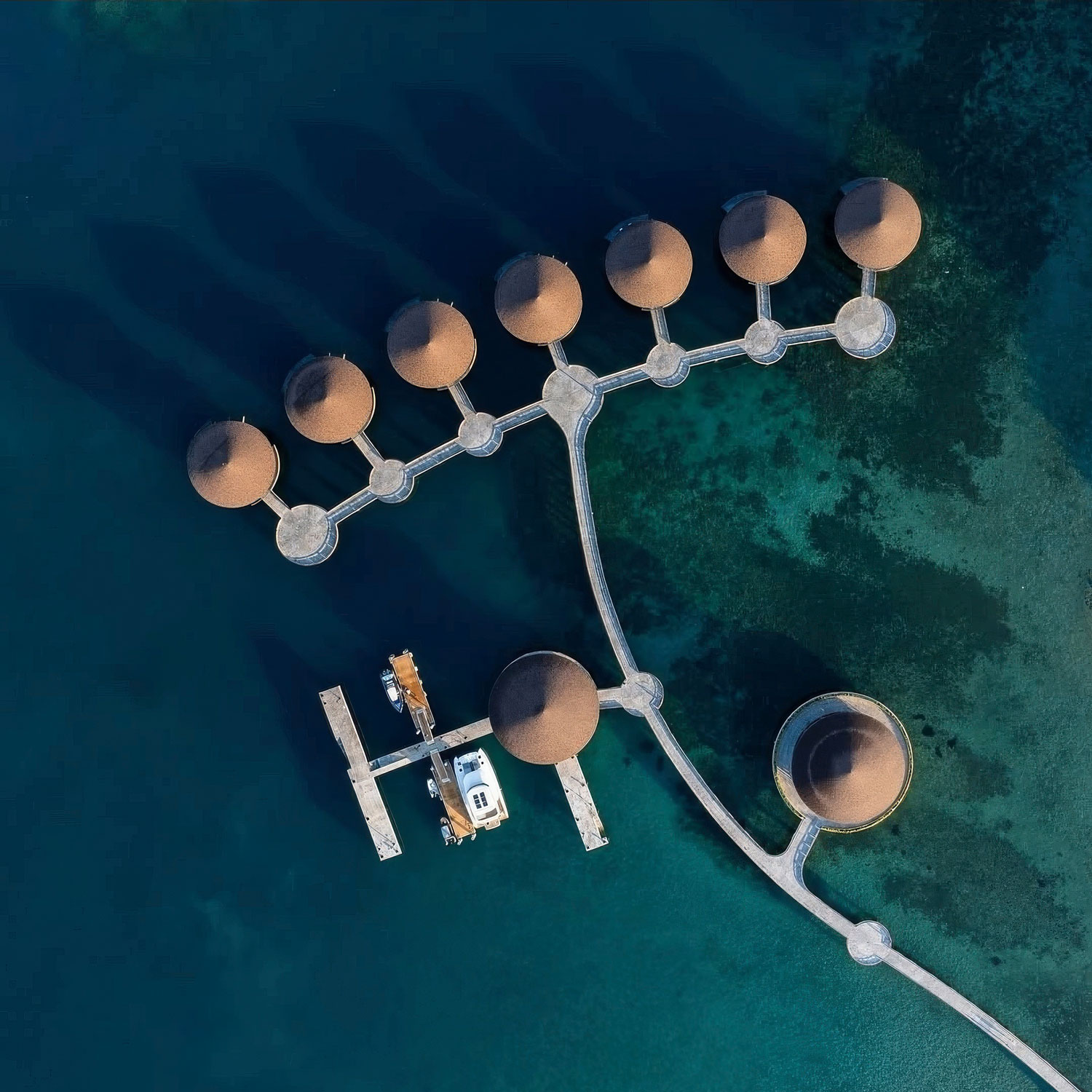
Concept work in Labuan Bajo is driven by the harbour and the archipelago. The view across the water to the Komodo islands is the dominant spatial reference for most sites above and around the town. How the building is oriented toward that view, how it sits on its hillside position, and what architectural language is appropriate to a site between the tropical landscape and the open sea are the primary questions at this stage. For projects further along the Flores coast or in the island interior, the concept draws from a different set of conditions: highland terrain, volcanic landscape, and a different quality of remoteness.

04. Spatial Planning
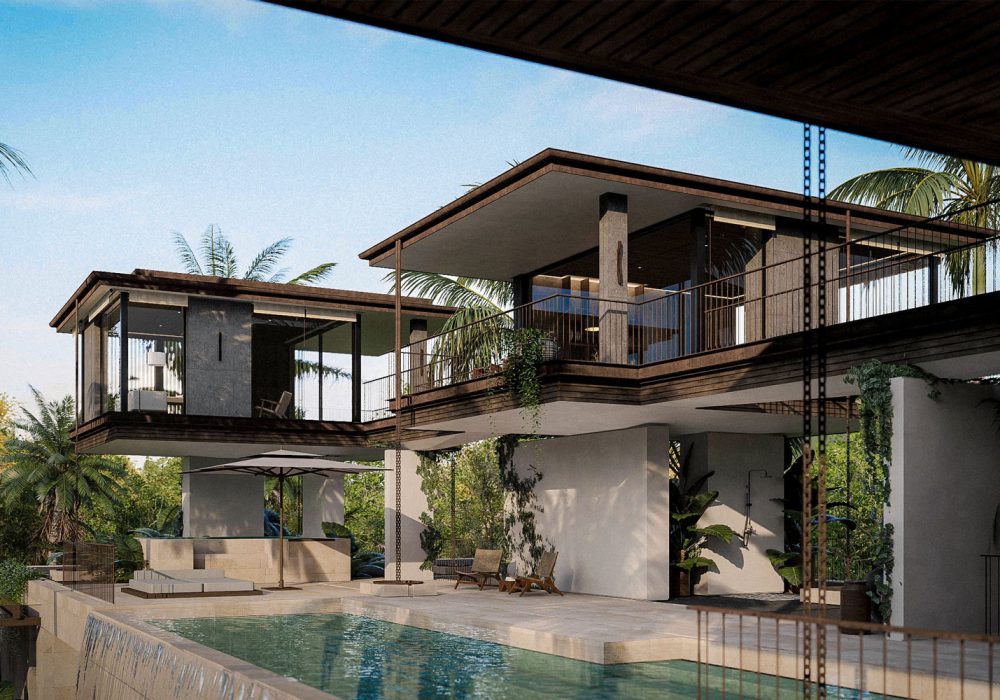
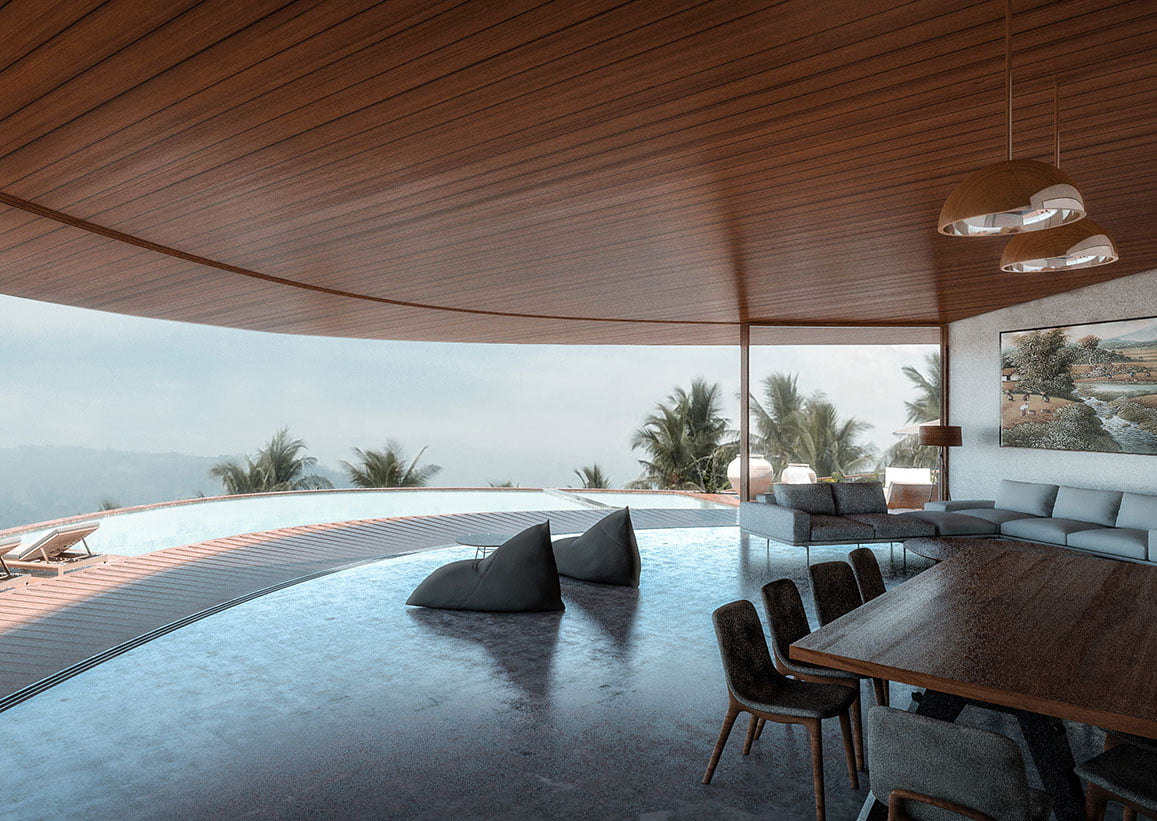
Spatial planning on a Labuan Bajo hillside site is shaped by the gradient of the terrain and the primacy of the harbour view. Levels, terraces, and the organisation of indoor and outdoor space are arranged to maximise the visual relationship with the water and the islands while managing privacy between levels and from neighbouring sites. For hospitality projects, arrival sequence, guest flow, and the choreography of the view reveal are treated as spatial design decisions rather than operational afterthoughts.

05. Material Strategy
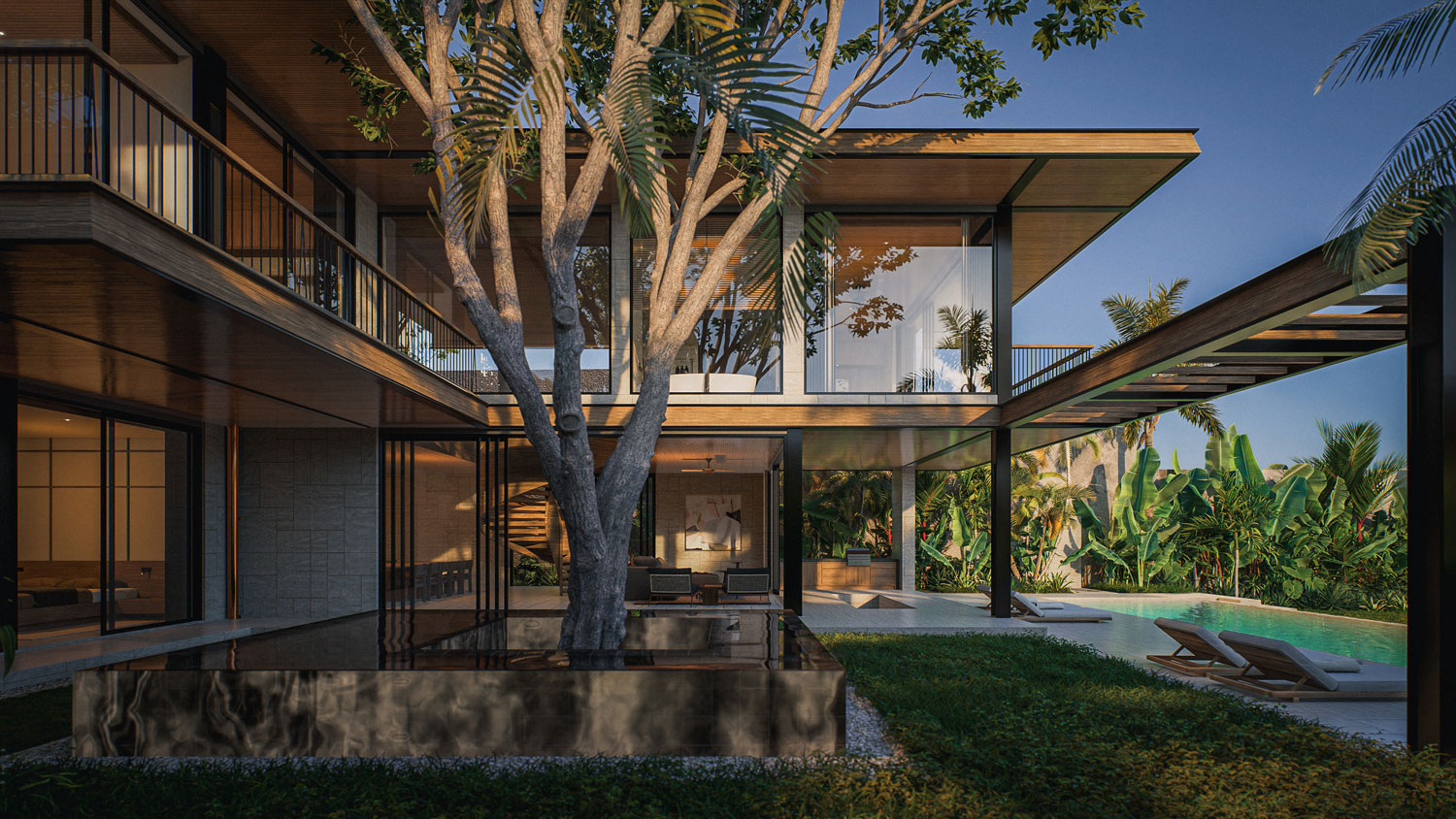
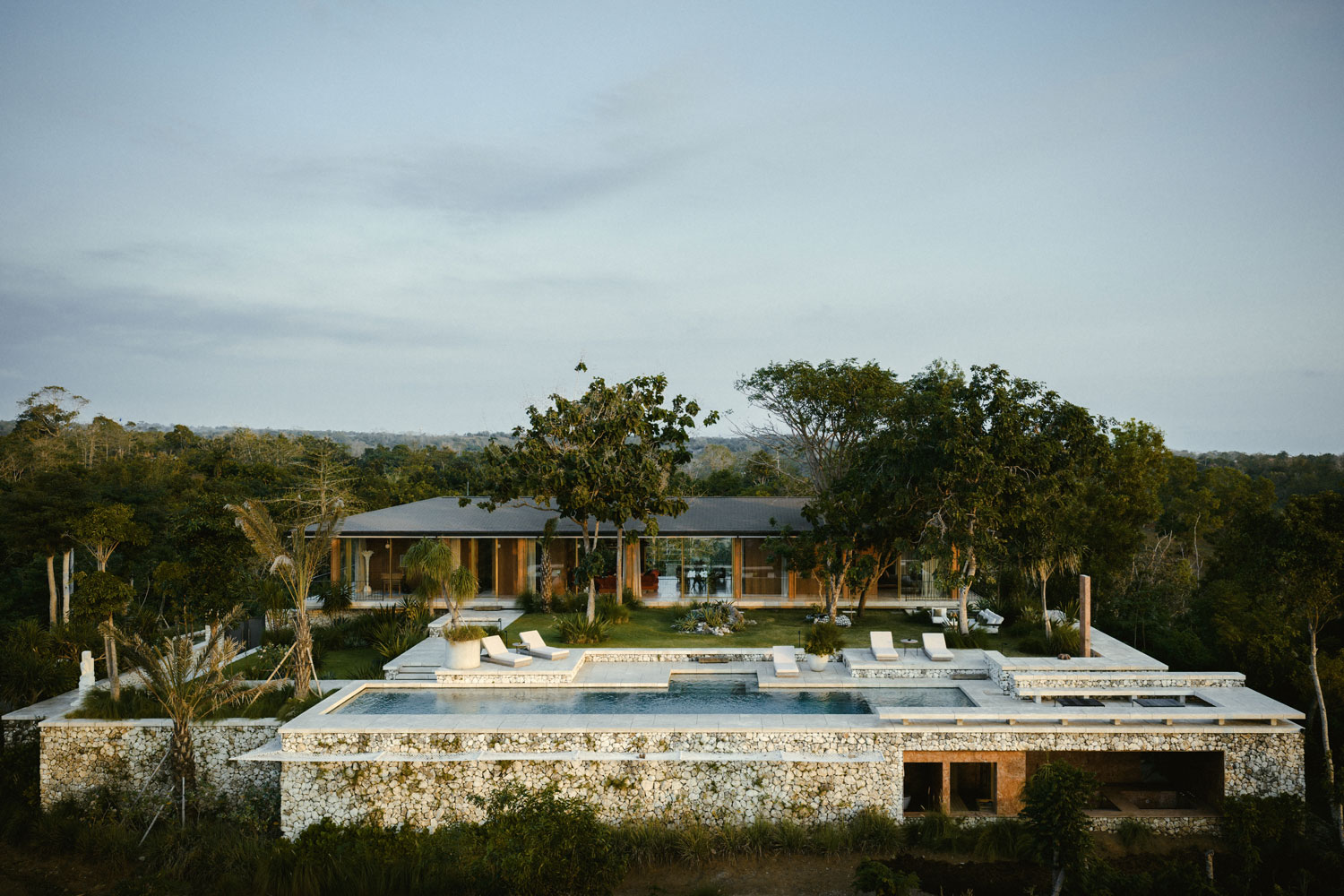
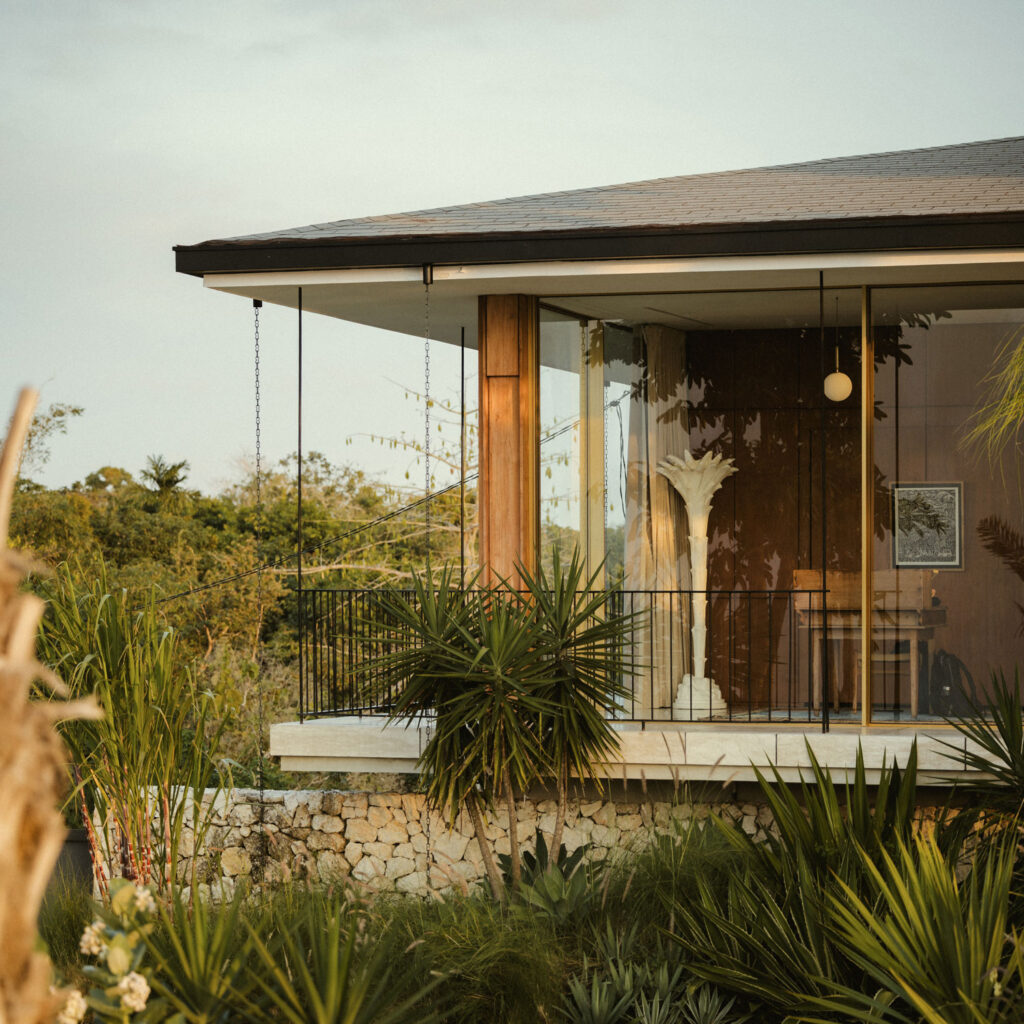
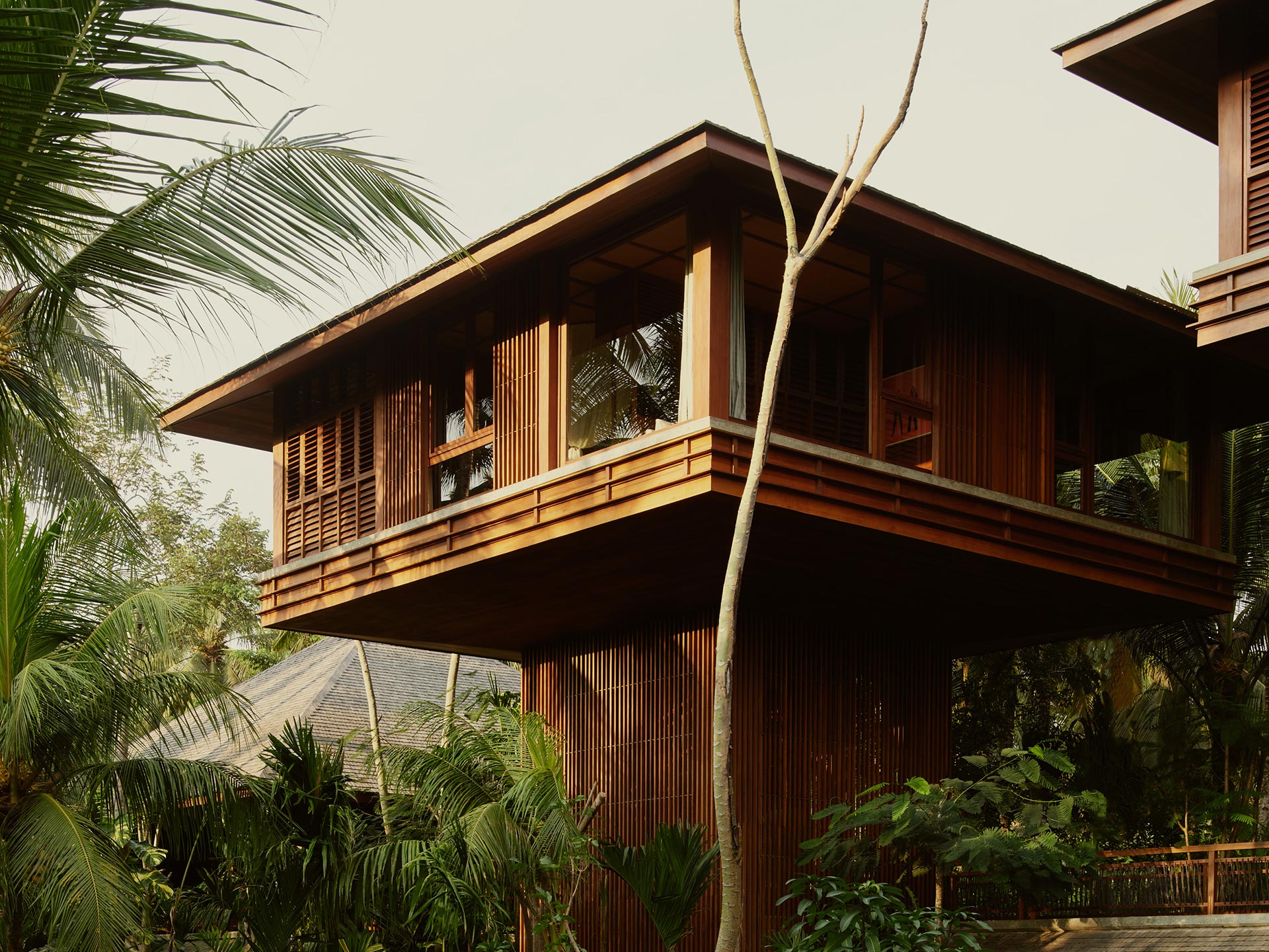
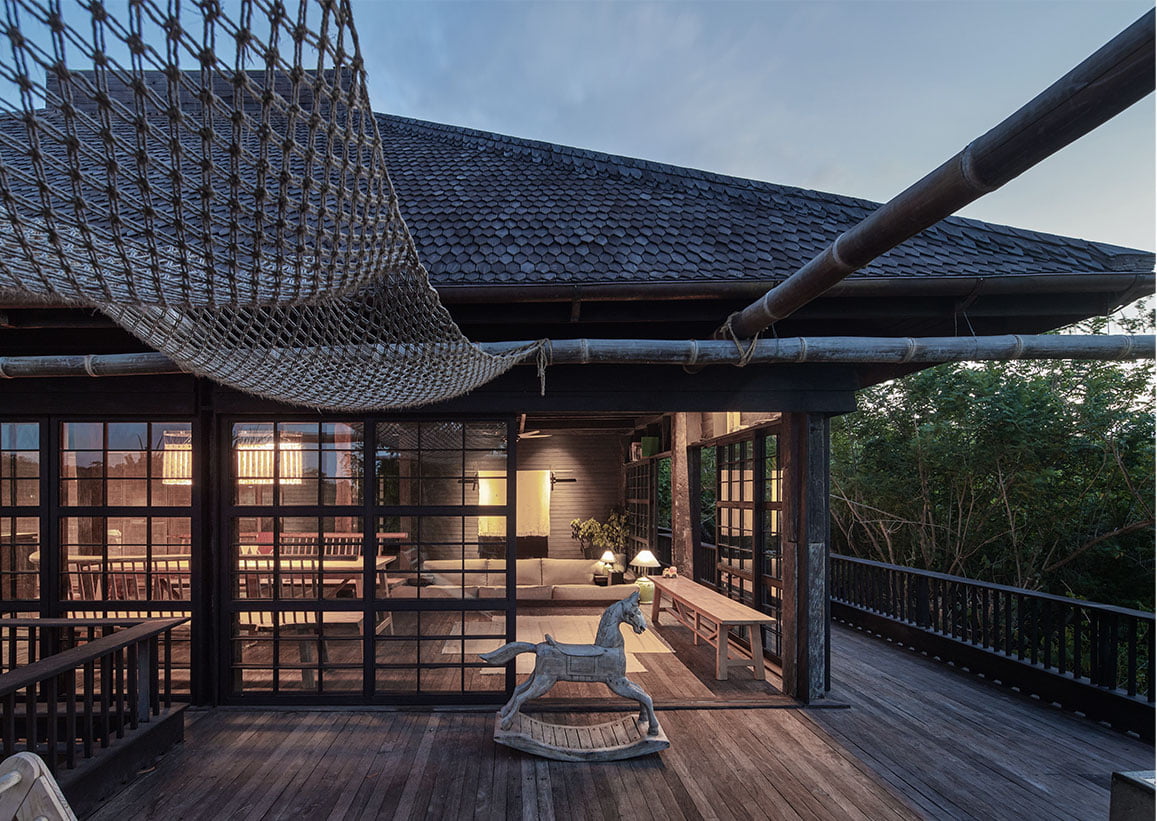
The coastal hillside environment around Labuan Bajo requires materials that perform well under salt air, humidity, and the intense equatorial sun of a west-facing position. Local stone, hardwood species with documented coastal durability, and composite systems are assessed alongside each other for performance and visual appropriateness. The tonal palette of the landscape, including the dark volcanic hillsides, the blue-grey of the harbour, and the bleached quality of the dry season, informs material choices as much as performance criteria do.
06. Environmental Response
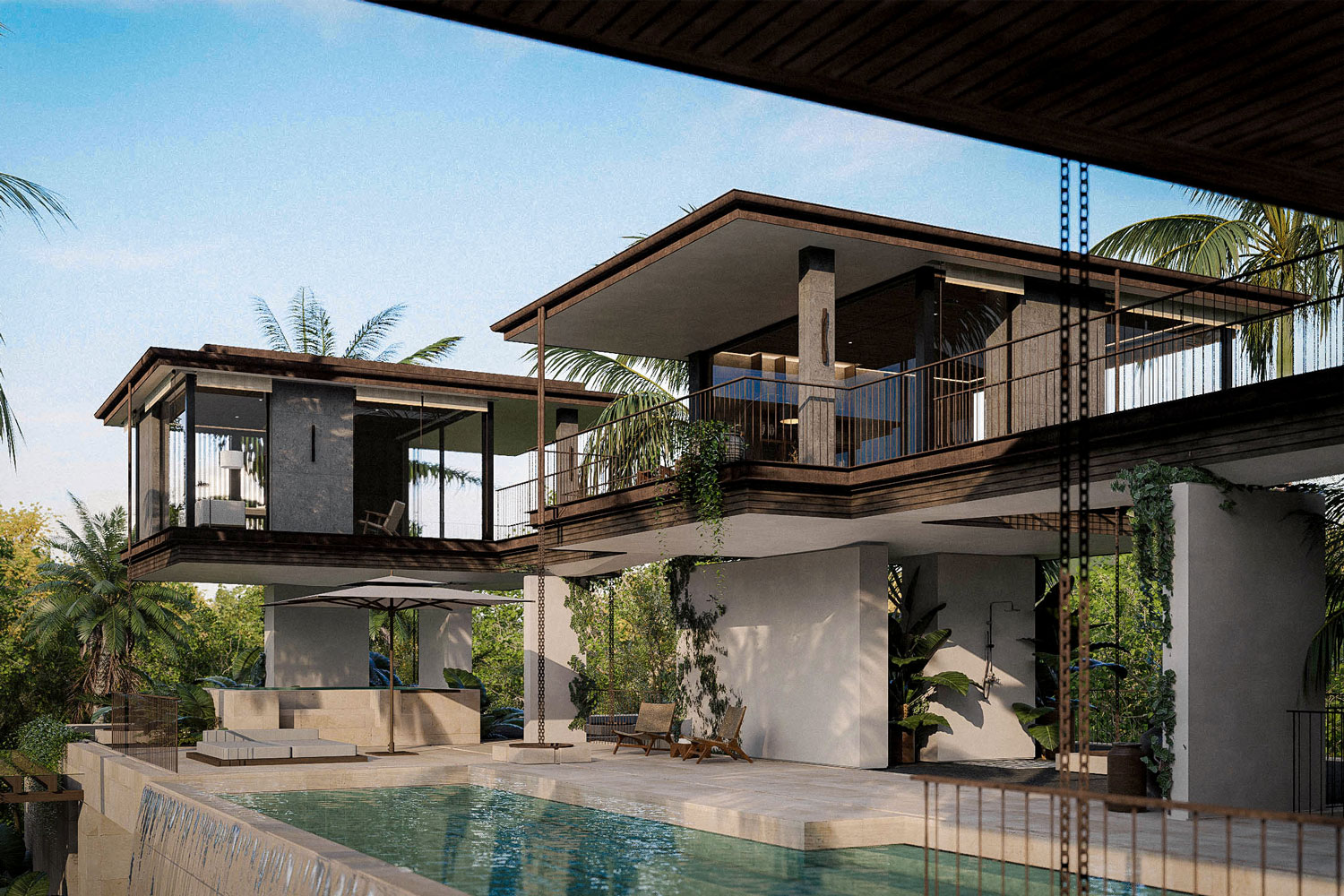
West-facing hillside sites above Labuan Bajo receive significant afternoon solar gain, which must be managed through orientation, shading, and passive cooling strategies rather than mechanical systems alone. Cross-ventilation, deep overhangs, and the thermal mass of appropriate stone and masonry construction all contribute to a building that remains comfortable in the coastal tropical climate. Water management, both rainwater collection during the wet season and storage for the dry season, is part of the environmental strategy from the concept stage.
07. Detailed Design
Detail resolution for a Labuan Bajo project addresses the specific conditions of building on a steep coastal hillside in a tropical climate with an active construction market that varies significantly in quality. Every junction, opening, and material interface is resolved in the documentation rather than left to site interpretation. This is particularly important in a location where contractor experience with high-specification architecture is uneven. The studio produces documentation that protects the design outcome regardless of the build team’s familiarity with this level of finish.

08. Delivery and Realisation
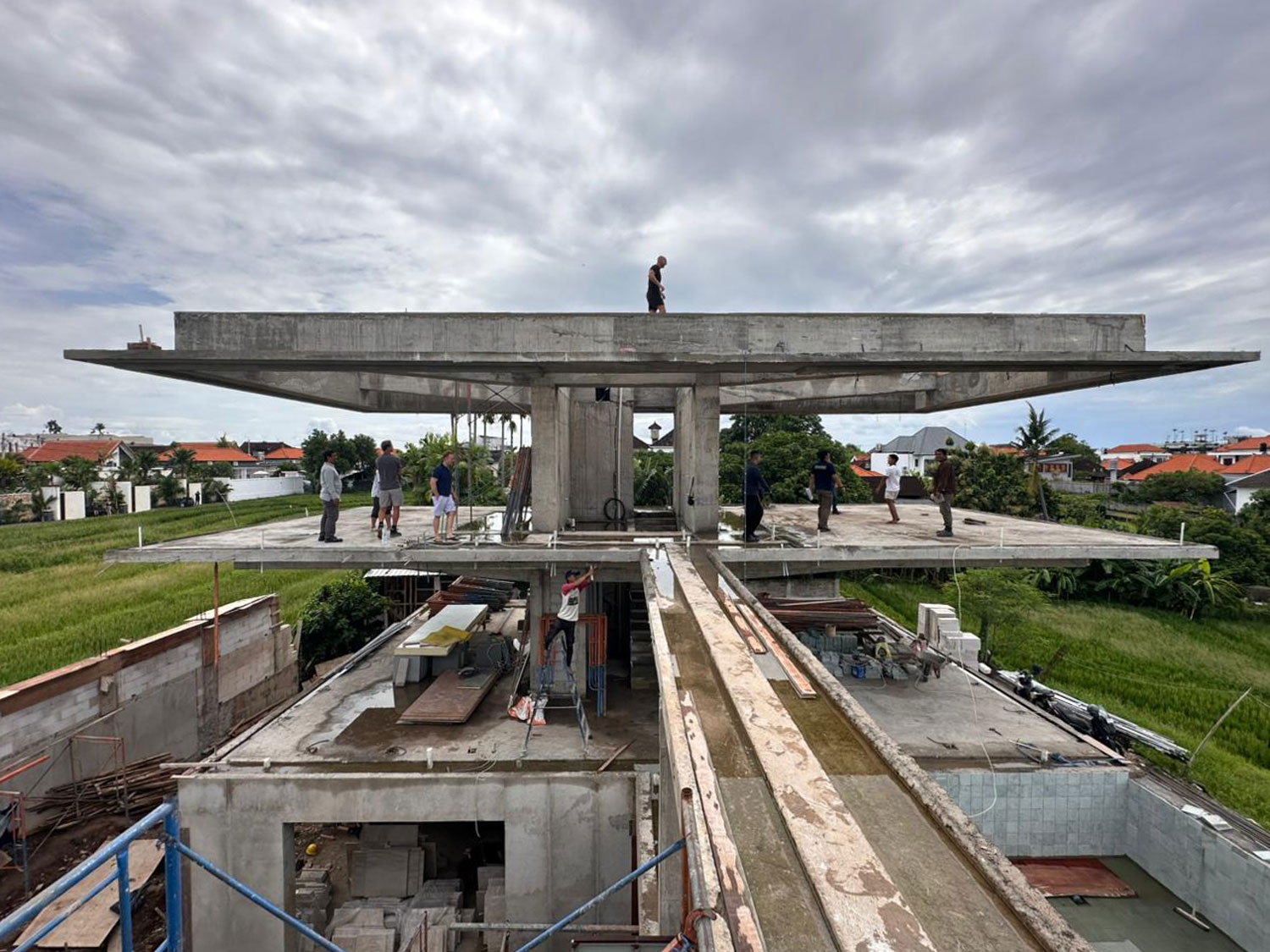
Construction oversight in Labuan Bajo involves active engagement with local contractors who understand the island’s conditions, materials, and build culture. The studio maintains involvement through this phase to ensure design intent is carried through to the finished building, visiting at key stages, reviewing progress remotely between visits, and resolving site queries with the architectural outcome clearly in view. The build programme accounts for the island’s seasonal access conditions and supply chain realities from the outset.