01. Understanding the Site
Site analysis on the Nusa islands begins with the limestone terrain itself: its structural properties, drainage patterns, and the specific conditions at the clifftop edge. The south coast of Nusa Penida involves some of the most dramatically exposed building positions in the Bali region, and understanding wind loading, salt exposure, and the structural implications of building on porous limestone is foundational. Water availability is assessed at this stage alongside access logistics, including both the boat crossing from Bali and the road conditions on the island itself, which vary significantly by location.
This foundational reading ensures the design is anchored in the actual conditions of the site rather than assumptions carried in from elsewhere.
02. Defining the Brief
A Nusa Penida brief is shaped by the island’s particular combination of attributes: close to Bali, dramatically different in character, and at a stage of development where the quality of what is built has real consequences for how the island evolves. Whether the project is a private residence for a client with a Bali base, a boutique hotel serving international guests, or a resort development, the brief addresses both the design ambitions and the practical realities of building on an island with infrastructure constraints. Programme, scale, and long-term operational requirements are established before design begins.

03. Concept Development
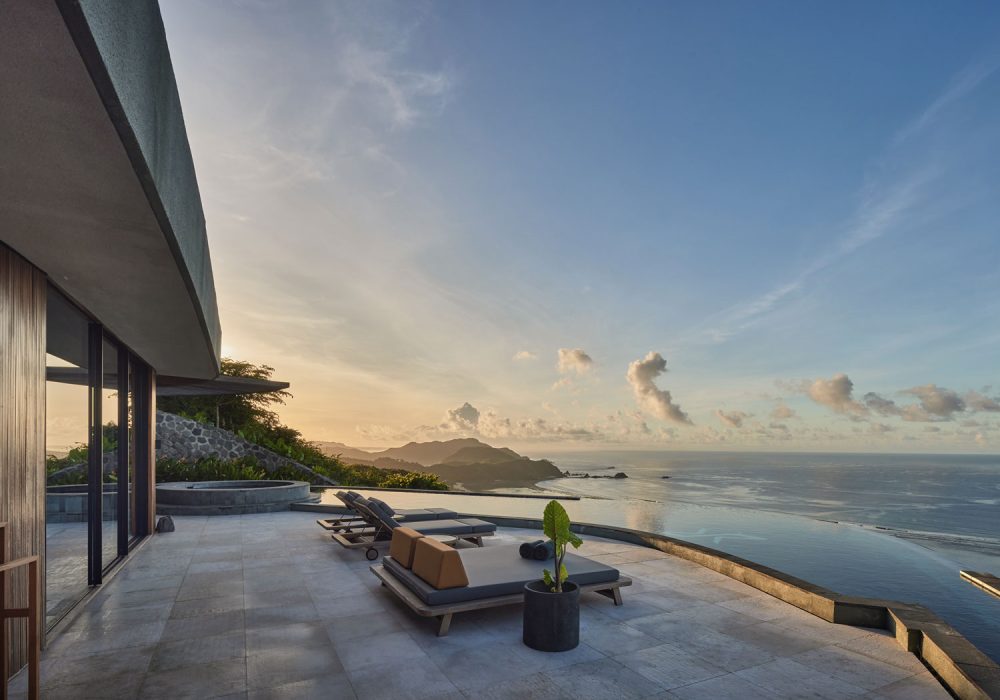
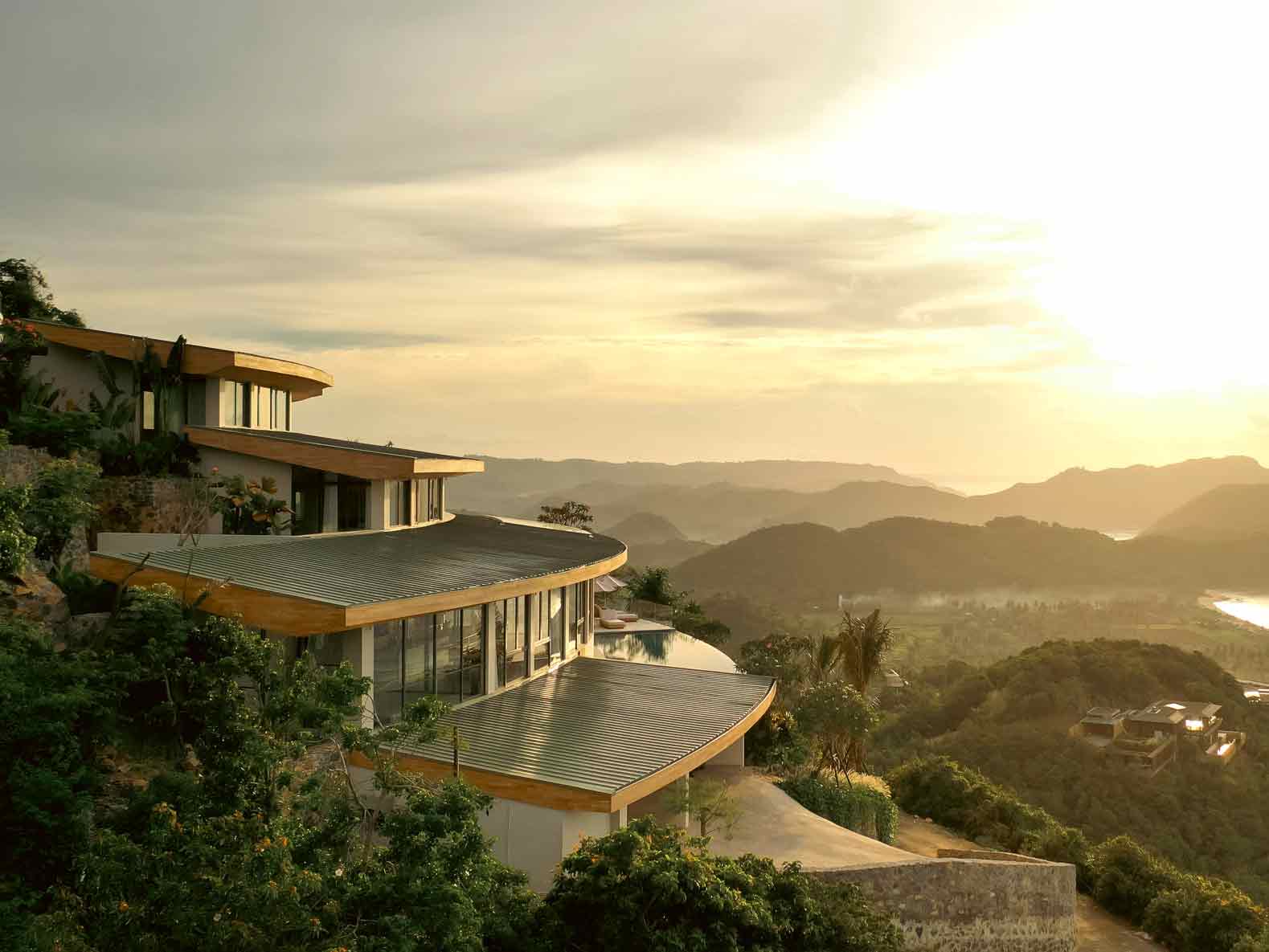
Concept work on Nusa Penida is driven by the clifftop edge and the ocean. The relationship between the building and the dramatic drop to the water below is the defining spatial condition on most premium sites. How the building approaches that edge, how it frames the view, and what architectural form is appropriate to a position between limestone plateau and open sea are the primary questions. The concept establishes a design language that belongs to the Nusa islands’ specific landscape character: white limestone, turquoise water, and the raw quality of a coastline that has not yet been softened by development.

04. Spatial Planning
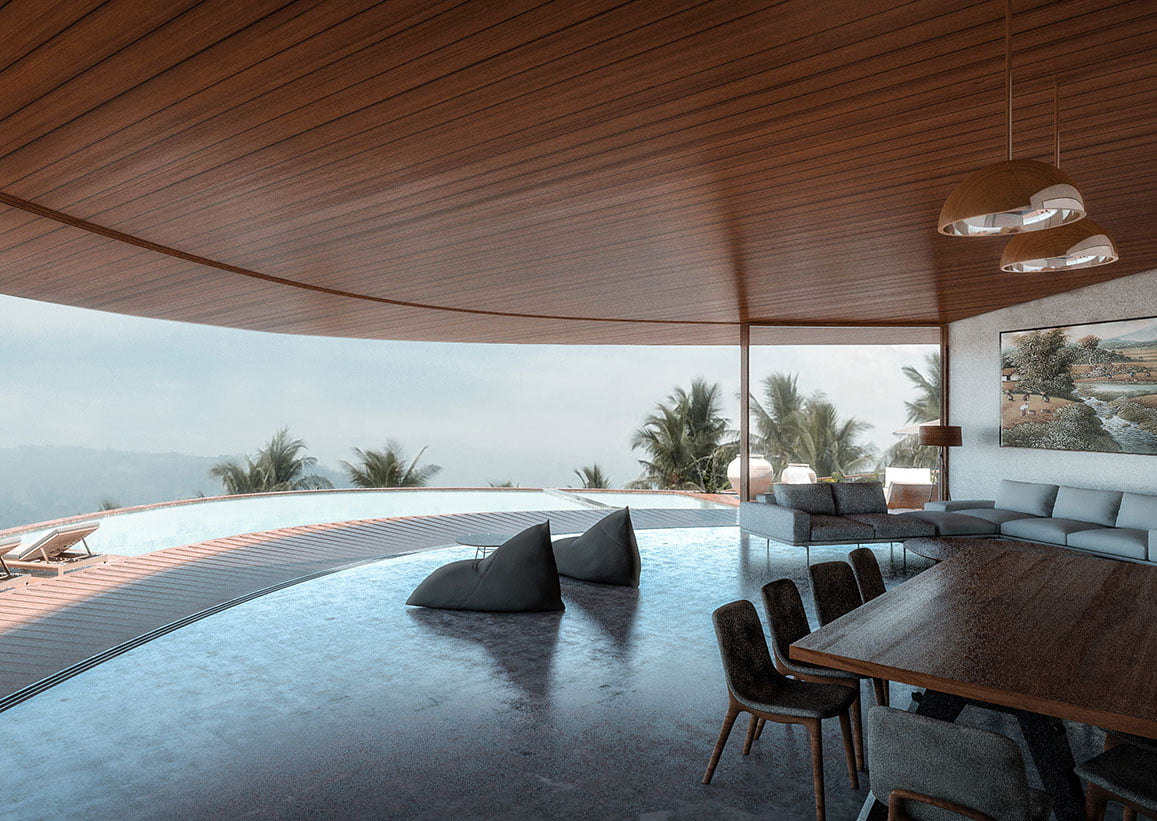
Spatial planning on a clifftop site is shaped by the relationship between the building and the edge: how close it approaches, how each space is oriented toward the view, and how the sequence from arrival to the most exposed positions is organised. Wind management is a planning consideration as much as a structural one. The arrangement of sheltered and open spaces, covered and uncovered areas, and the treatment of openings and thresholds all respond to the exposure conditions of the south-facing clifftop. Privacy from the growing number of day visitors to the island’s landmark sites is also factored into site layout from the outset.

05. Material Strategy
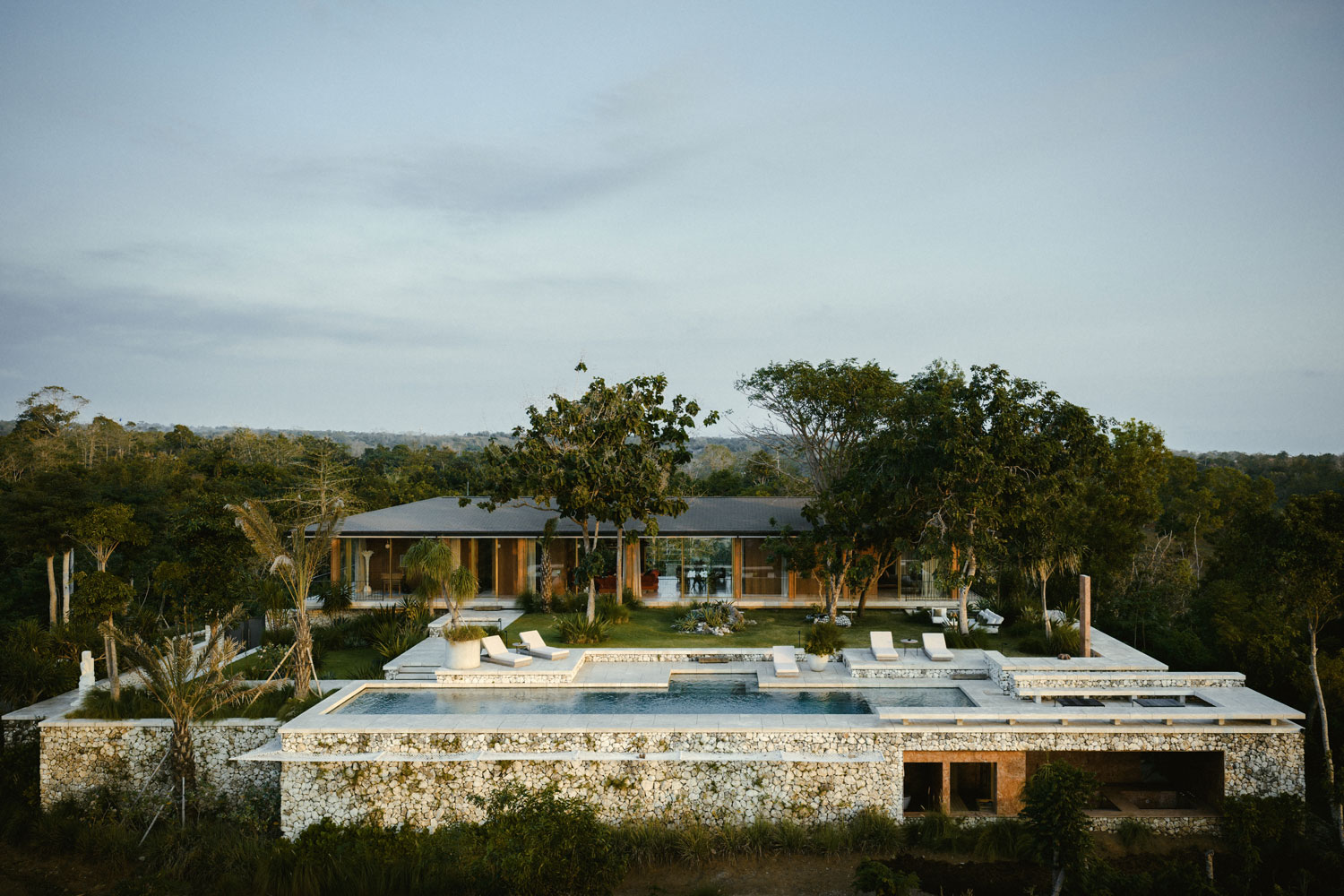
Limestone, salt air, and intense UV define the material environment on Nusa Penida. Materials are selected for durability under these combined conditions, with particular attention to how each element weathers on an exposed coastal site rather than how it performs in a more sheltered tropical location. The local limestone itself, used structurally and as cladding, is a natural material choice that is both practically appropriate and visually consistent with the landscape. Finishes, fixings, and structural connections are all detailed for salt air exposure and the particular demands of a site with no nearby maintenance infrastructure.
06. Environmental Response
Water is the most pressing environmental consideration on the Nusa islands. With no rivers and limited groundwater, buildings are dependent on rainwater collection during the wet season and careful storage management through the dry months. Roof geometry, catchment area, and tank capacity are designed around this obligation from the concept stage, not resolved as an afterthought. Solar energy is the practical default for power given the island’s grid limitations, and the studio designs around off-grid or hybrid systems as standard rather than an optional extra. Wind management and passive cooling reduce the reliance on mechanical systems that are difficult to service on an island location.

07. Detailed Design
Detail resolution for a Nusa Penida project addresses the specific challenges of building on porous limestone in a salt-air environment with limited access for future maintenance. Every junction, structural connection, and material interface is resolved in the documentation with the island’s conditions clearly in view, not defaulted to standard tropical construction details that were not developed for this context. The studio produces construction documentation that is precise enough to protect the design outcome with contractors who may have limited experience with this specification level.

08. Delivery and Realisation
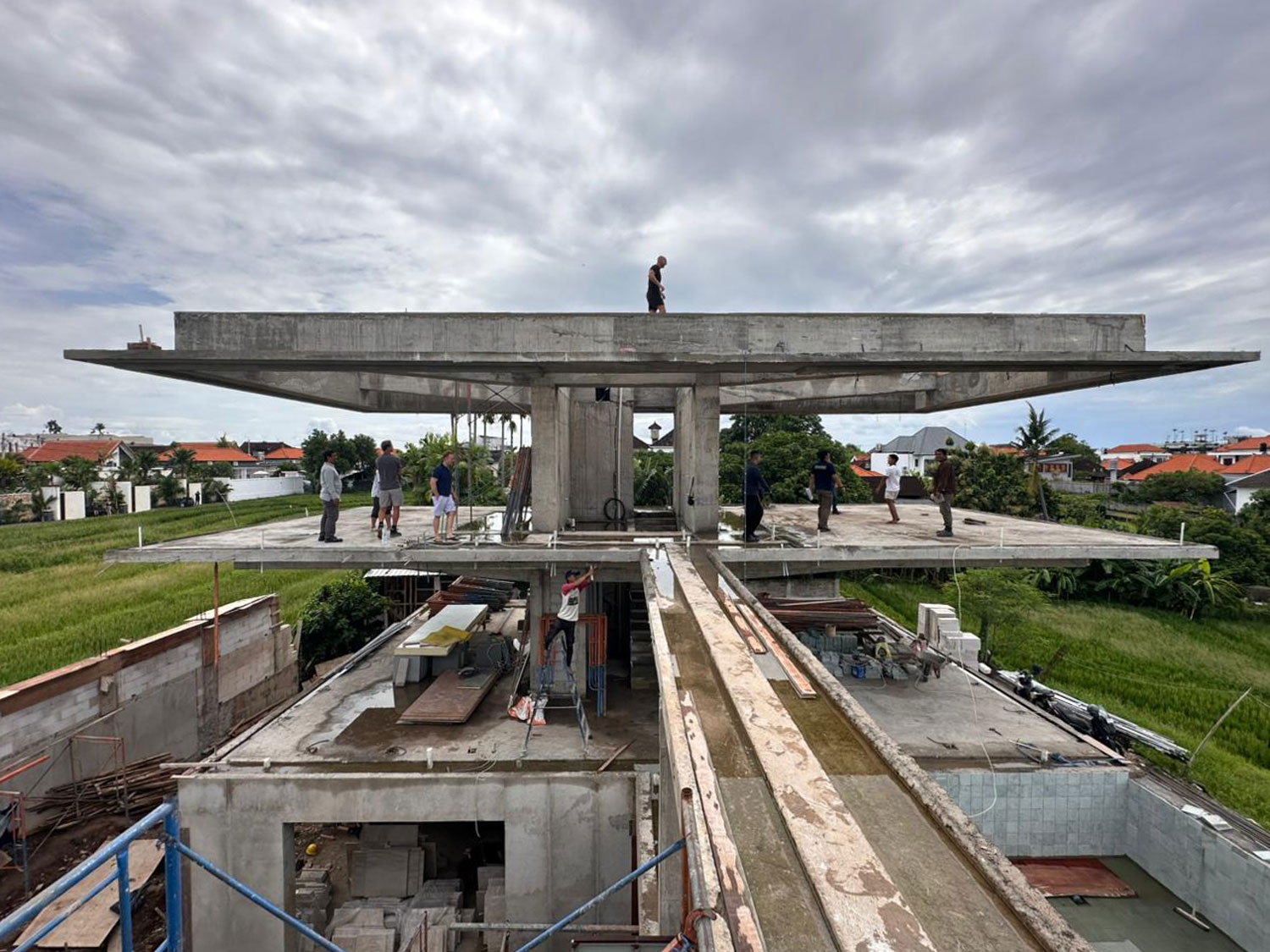
Construction oversight on the Nusa islands involves managing the additional complexity of a boat-dependent supply chain alongside the standard build process. Material deliveries, contractor access, and the sequencing of construction activities are all structured around the crossing from Bali and the island’s internal road conditions. The studio maintains active involvement through the build phase, visiting at key stages and maintaining close communication between visits, to ensure the finished project reflects the quality established at the design stage.