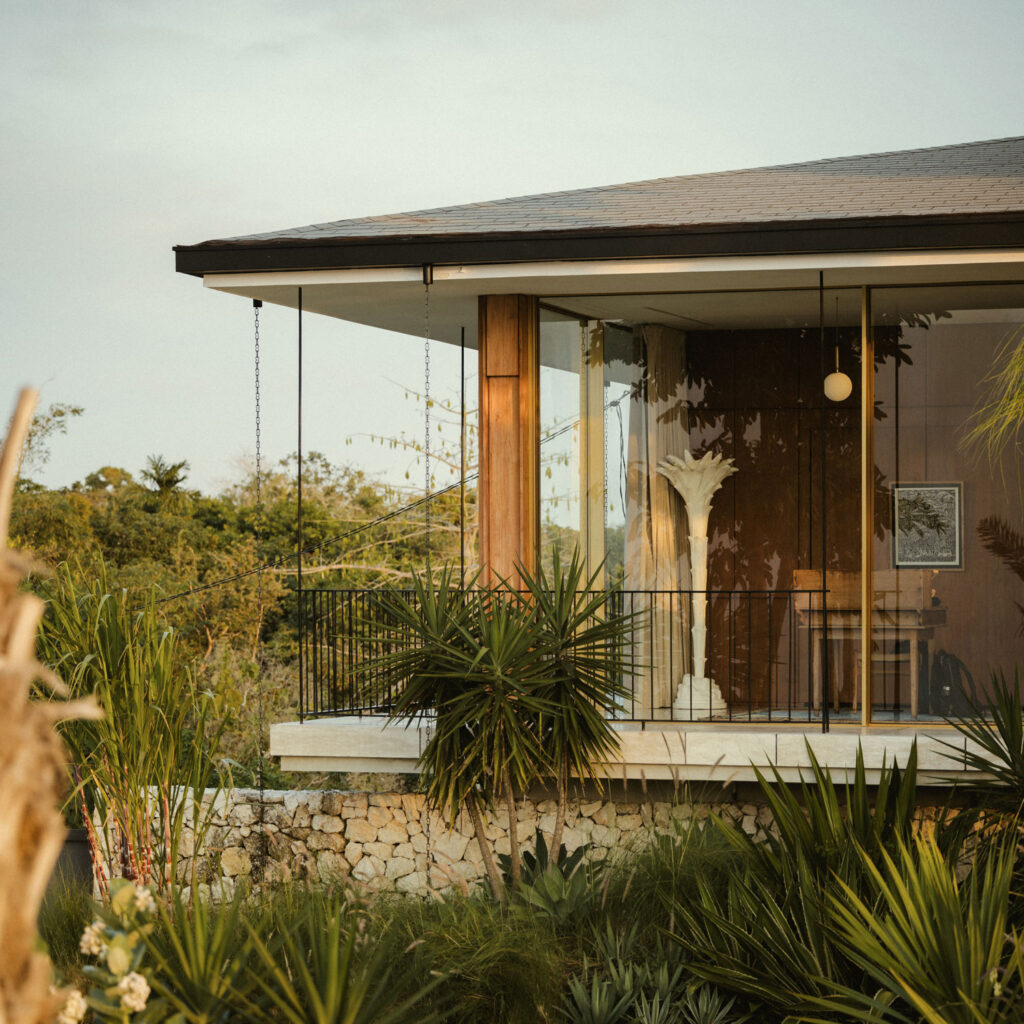
01. Understanding the Site
Kalimantan sites require a thorough analysis before any design work begins. This means assessing canopy structure, flood risk and seasonal water levels, river orientation, prevailing wind, and the condition of existing vegetation. Access and logistics also form part of this early reading – many sites in the region are remote, reached by river or unpaved track, and these conditions shape every subsequent decision.
This foundational stage ensures the architecture is rooted in a genuine understanding of the place rather than assumptions carried in from elsewhere. The site sets the terms; the design responds to them.

02. Defining the Brief
The brief for a Kalimantan project often involves balancing a client’s ambitions for spatial quality and material refinement with the realities of building in a remote and ecologically sensitive environment. Conversations at this stage cover programme, scale, and the intended relationship between the building and its setting – whether the project is a private residence, an eco-lodge, or a resort facility.
Defining the brief carefully ensures that what is designed is not only desirable but genuinely achievable within the specific constraints of building in Kalimantan.

03. Concept Development
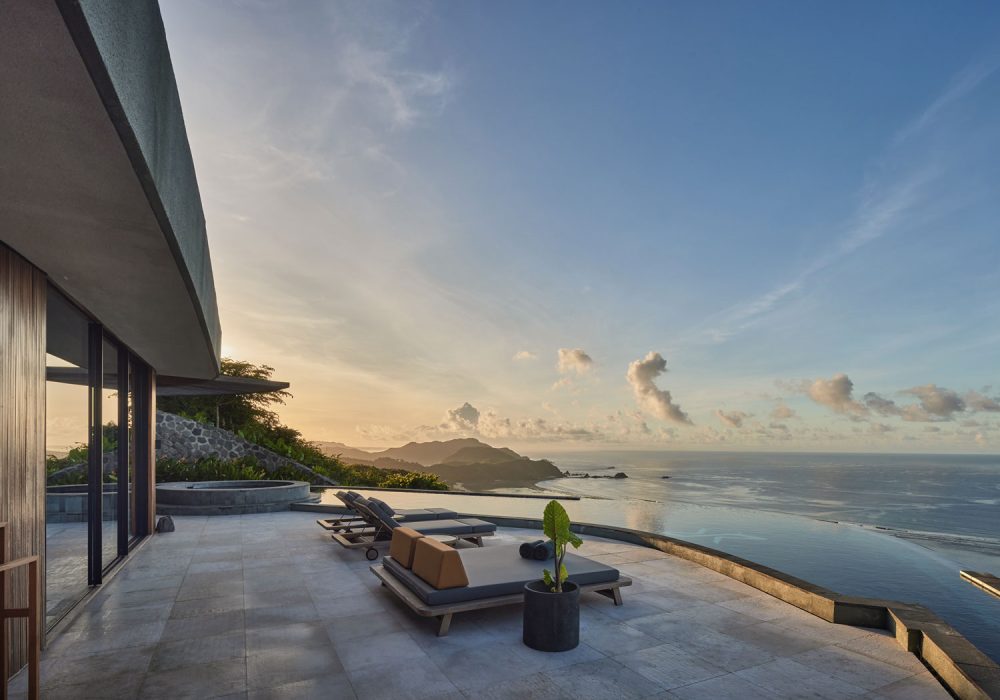
Concept work begins with the landscape. The canopy, the water, the quality of diffuse equatorial light through dense foliage — these become the starting points for spatial ideas. Structure, form, and orientation are developed in direct response to the site rather than drawn from a predetermined architectural language.
This phase establishes the overall character of the project: how it sits on the land, how it opens to the forest, and what architectural approach will carry through consistently to the level of detail.

04. Spatial Planning
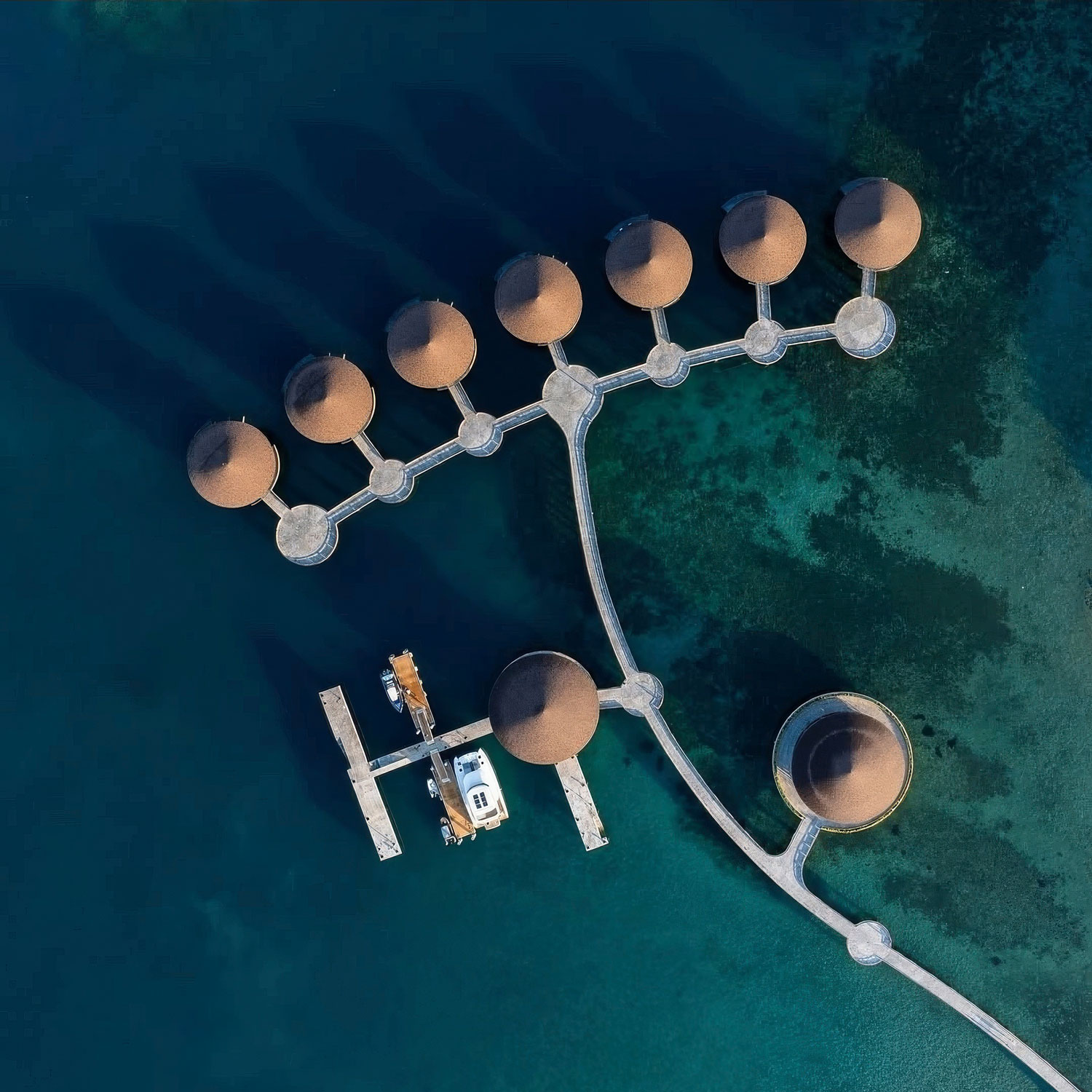
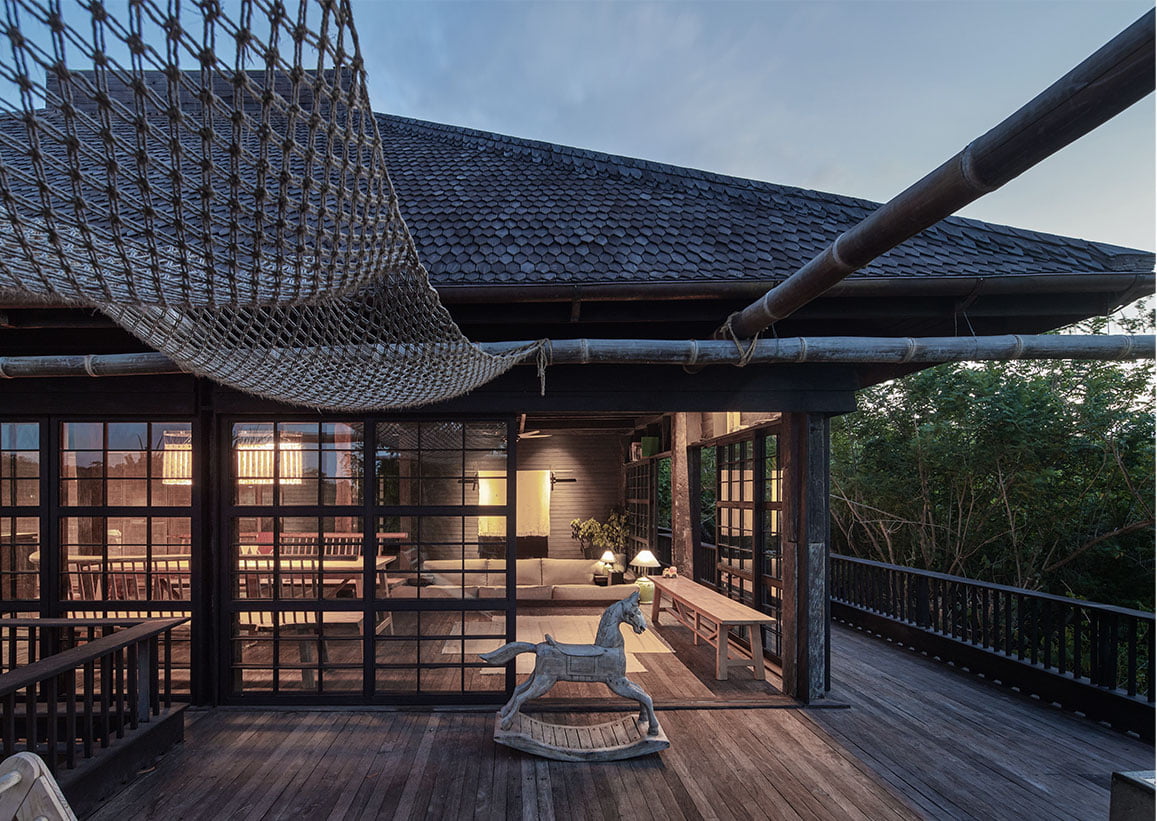
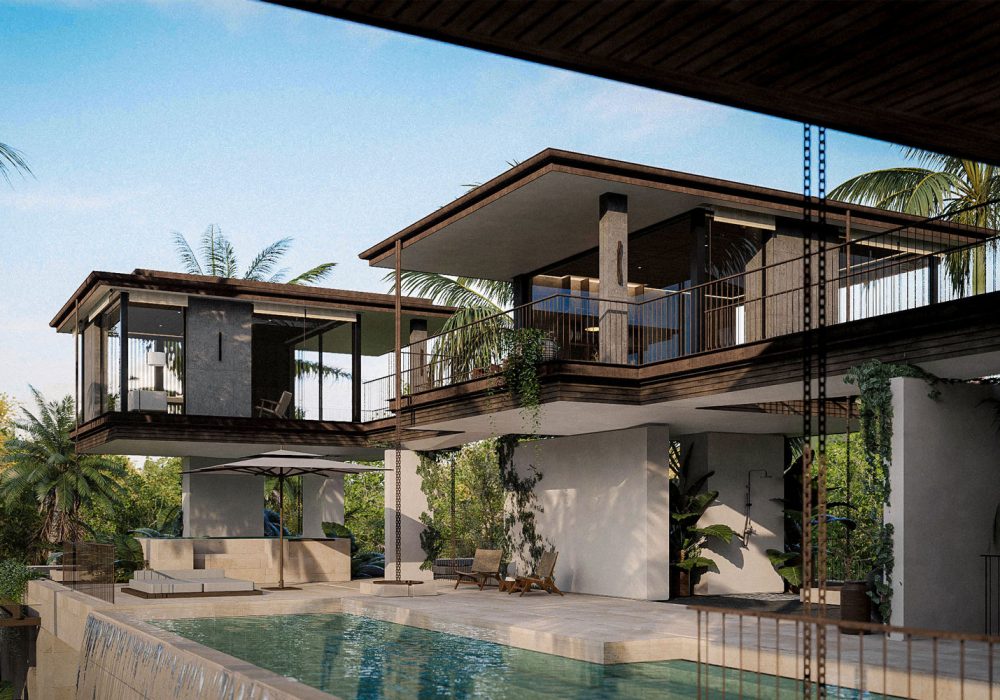
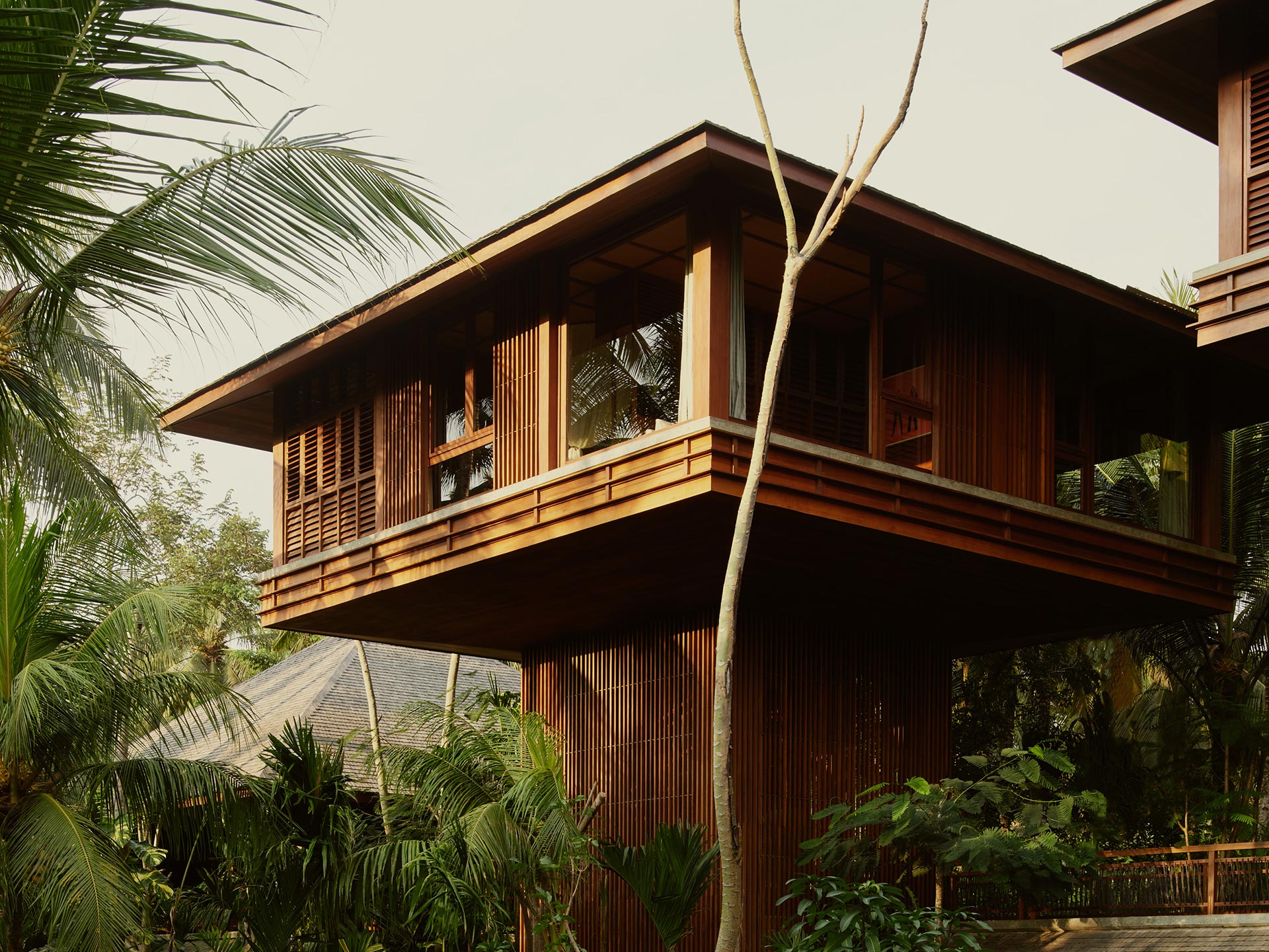
Spatial planning considers how people move through and inhabit the building in relation to the jungle environment. In Kalimantan, this often involves working with elevated or multi-level arrangements – platforms and living spaces raised above the forest floor to manage humidity, improve ventilation, and open up views into the canopy.
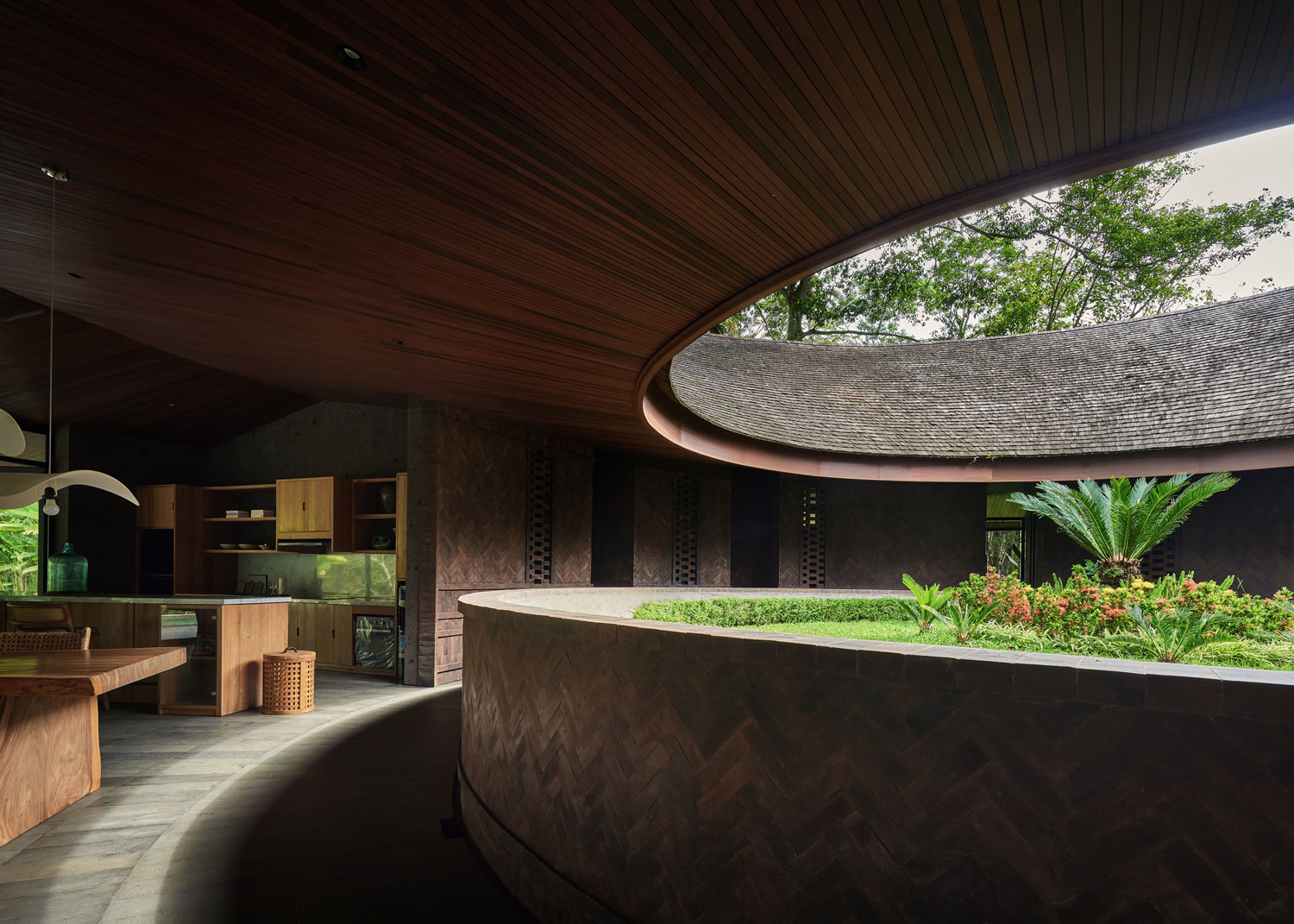
Transitions between inside and outside, and between enclosed and open space, are mapped carefully to create a sequence that feels considered rather than incidental.

05. Material Strategy
Material selection in Kalimantan is shaped by availability, durability in a high-humidity equatorial climate, and the appropriateness of each material to its setting. Local hardwoods, stone, and composite systems are assessed for their performance under conditions of sustained heat and rainfall. Where local alternatives match or exceed the performance of imported materials, they are preferred.
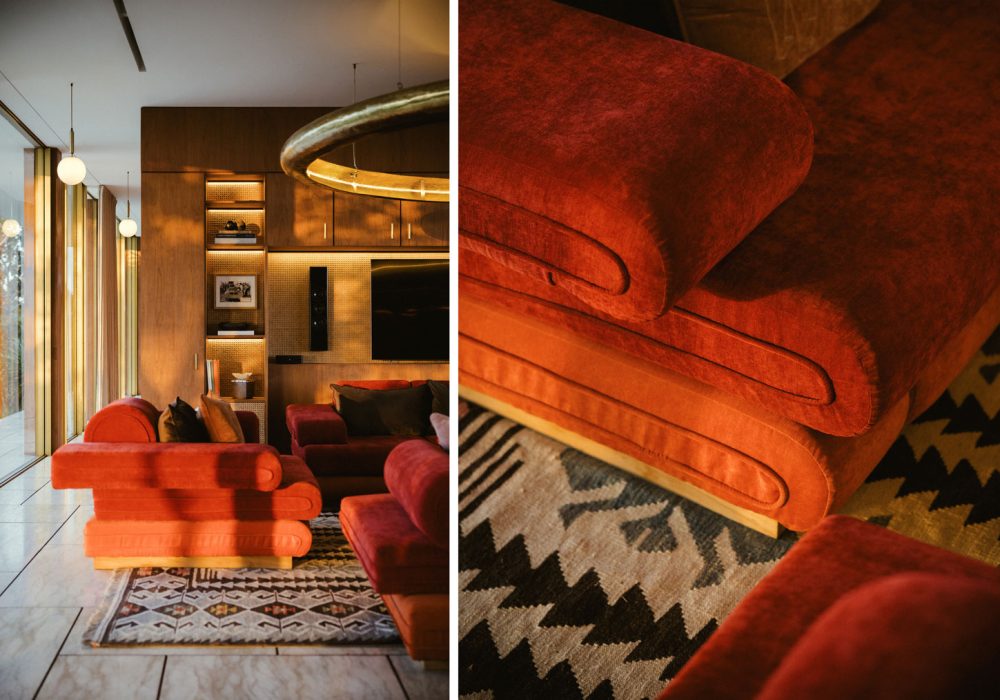
Materiality is also considered for how it reads against the forest – selecting finishes and structural elements that feel at home within the landscape rather than in contrast to it.

06. Environmental Response
Every project in Kalimantan is designed with its ecosystem in mind. Passive strategies for thermal comfort, natural ventilation, and rainwater management are integrated into the design rather than added at the end. Retaining existing tree cover, minimising ground disruption, and designing for the movement of water across the site are all active concerns from the concept stage.
Environmental response is not treated as a regulatory exercise but as a fundamental part of what makes a building work well in this context over time.

07. Detailed Design
The detailed design phase refines every element of the project — structure, joinery, openings, drainage, and material interfaces – ensuring they work together cohesively and are buildable within the realities of the site. In remote Kalimantan locations, construction logistics influence many detail decisions, with prefabrication and simplified site assembly considered where they support quality without compromising design intent.
This stage produces documentation that communicates clearly to contractors working in the region, with enough specificity to protect the architectural outcome.

08. Delivery and Realisation
Construction in Kalimantan often involves working with local contractors who have direct knowledge of the terrain, climate, and available materials. The studio maintains active involvement through this phase to ensure design intent is carried through to the finished building, even when projects are geographically remote.
Site visits, remote review, and close communication with the build team ensure each project is realised to the standard established at the design stage – detail, clarity, and spatial intent intact.