Project Vision & Brand Alignment
Urban Context & Site Analysis
Architectural Concept Development
Guest Journey & Spatial Sequencing
Façade & Environmental Strategy
Interior Architecture Integration
Technical Coordination & Documentation
Construction Oversight & Delivery
Project Vision & Brand Alignment
Every hospitality project begins with a clear understanding of the brand, target guest profile and market positioning. In Singapore’s competitive hospitality sector, architecture must reinforce identity while supporting operational performance and guest experience.
Early discussions focus on defining the spatial character of the project, ensuring that architectural language, atmosphere and circulation align with the intended hospitality concept from the outset.

Urban Context & Site Analysis
Hospitality architecture in Singapore must respond carefully to dense urban conditions, surrounding buildings and regulatory frameworks. Orientation, access points, visibility and neighbouring context are studied in detail.
This stage establishes the building’s relationship to the street, skyline and public realm, ensuring the architecture contributes meaningfully to its urban setting.

Architectural Concept Development
The concept phase defines the core architectural language of the project. Proportion, façade articulation and spatial hierarchy are developed to create a distinctive presence within the city.
The architectural idea must be strong enough to guide decisions across the building, from exterior identity to interior circulation and guest experience.

Guest Journey & Spatial Sequencing
Successful hospitality design is shaped by how guests move through the building. Arrival, lobby spaces, vertical circulation and room access are carefully choreographed.
Each transition is considered as part of the overall experience, creating moments of compression, openness and visual connection throughout the project.

Façade & Environmental Strategy
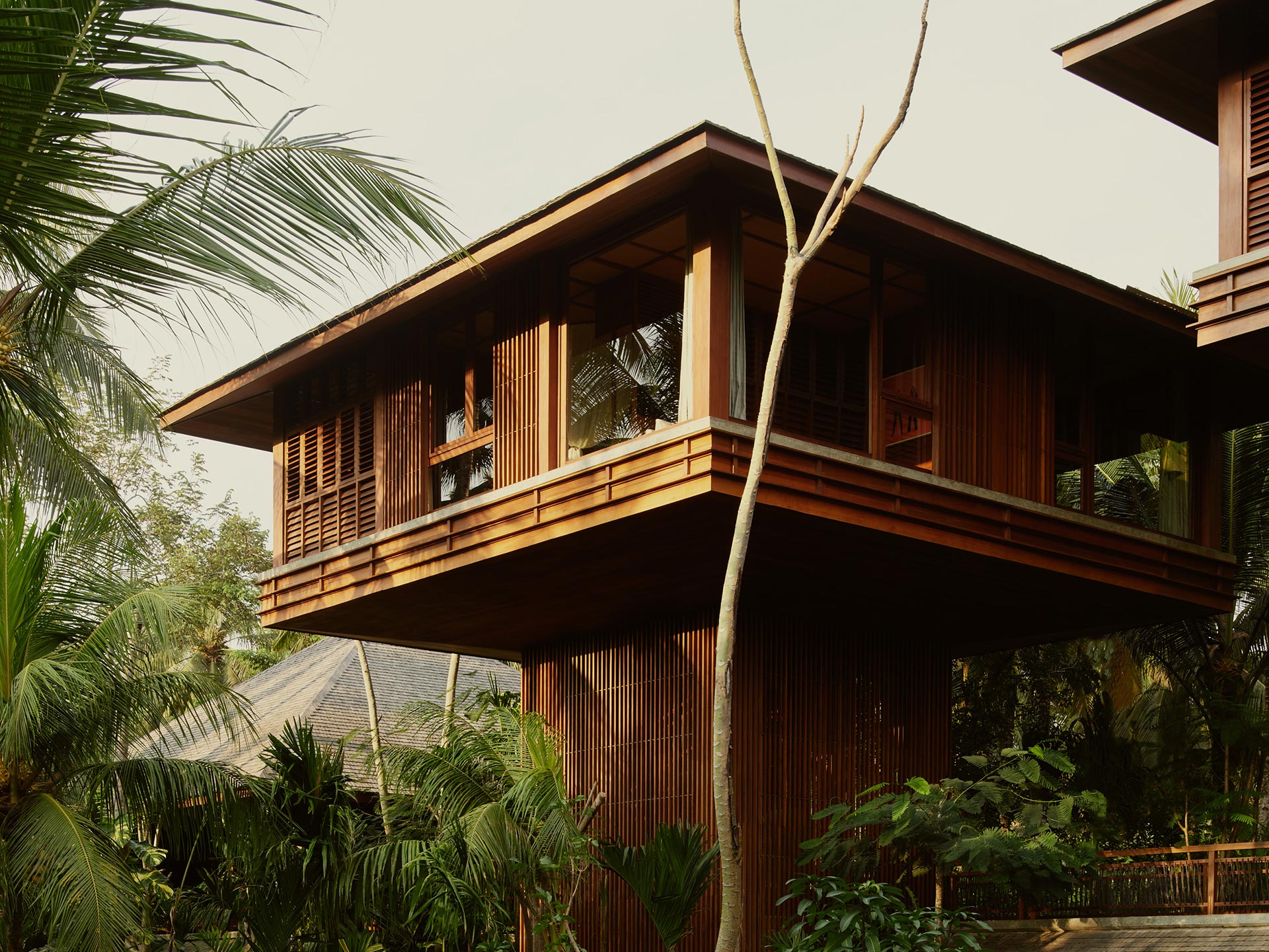
Singapore’s climate requires careful attention to shading, façade depth and environmental performance. Envelope design plays a critical role in both comfort and architectural identity.
Strategies for solar control, ventilation and material durability are integrated early to ensure the building performs effectively within tropical urban conditions.
Interior Architecture Integration
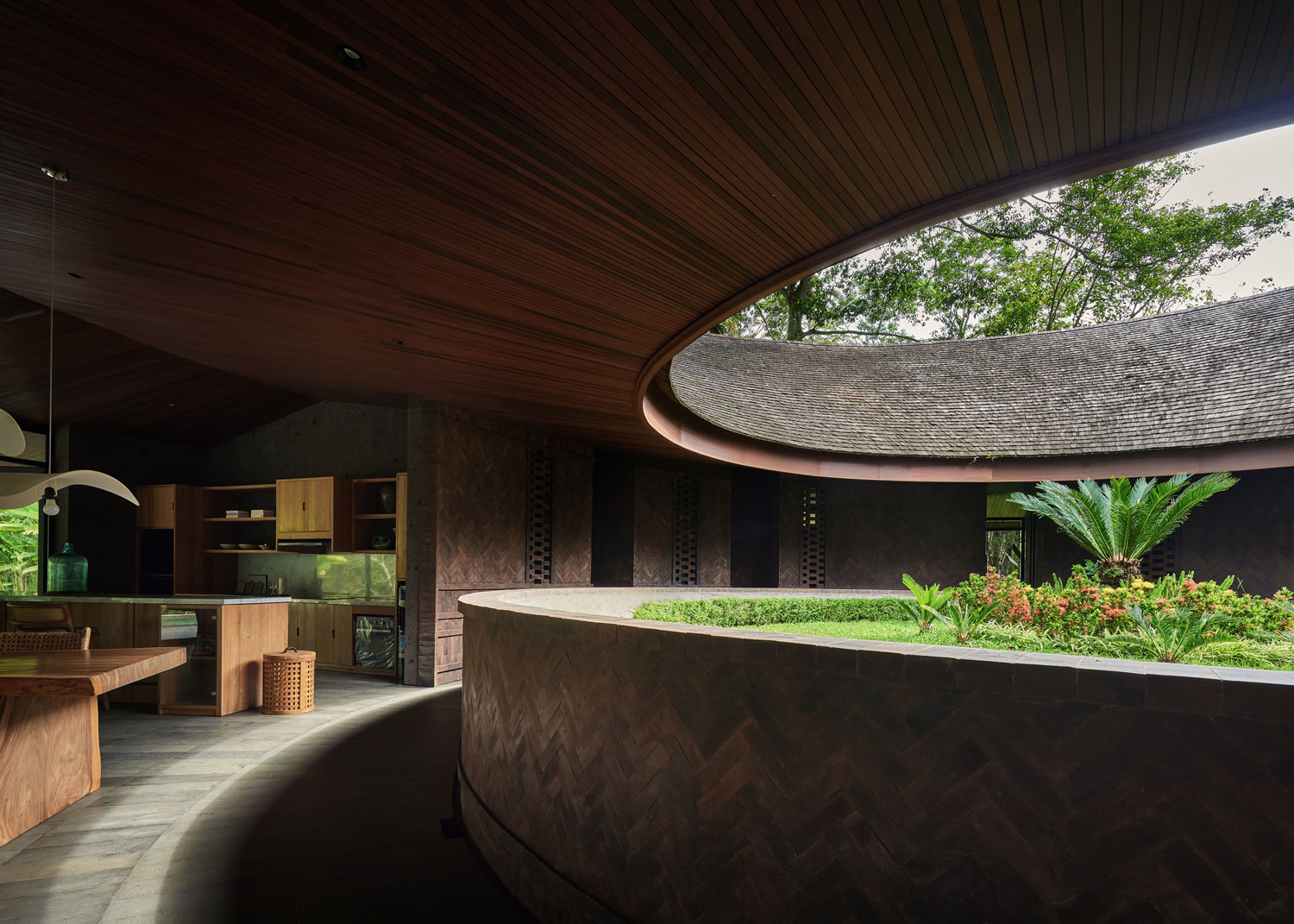
Architecture and interior experience must operate as a cohesive whole. Public spaces such as lobbies, restaurants and lounges are developed as extensions of the architectural concept.
Material transitions, lighting strategies and spatial rhythm are coordinated carefully to reinforce the overall identity of the hospitality environment.
Technical Coordination & Documentation
Detailed design integrates structural engineers, building consultants and specialist contractors to translate the concept into precise construction documentation.
Every interface between structure, façade and interior spaces is carefully coordinated to ensure the architectural language remains clear and buildable.

Construction Oversight & Delivery
Continued involvement during construction ensures that material quality, spatial proportions and architectural intent are maintained throughout the build process.
The objective is to deliver hospitality environments that reflect the clarity of the original concept while functioning efficiently within Singapore’s demanding urban context.