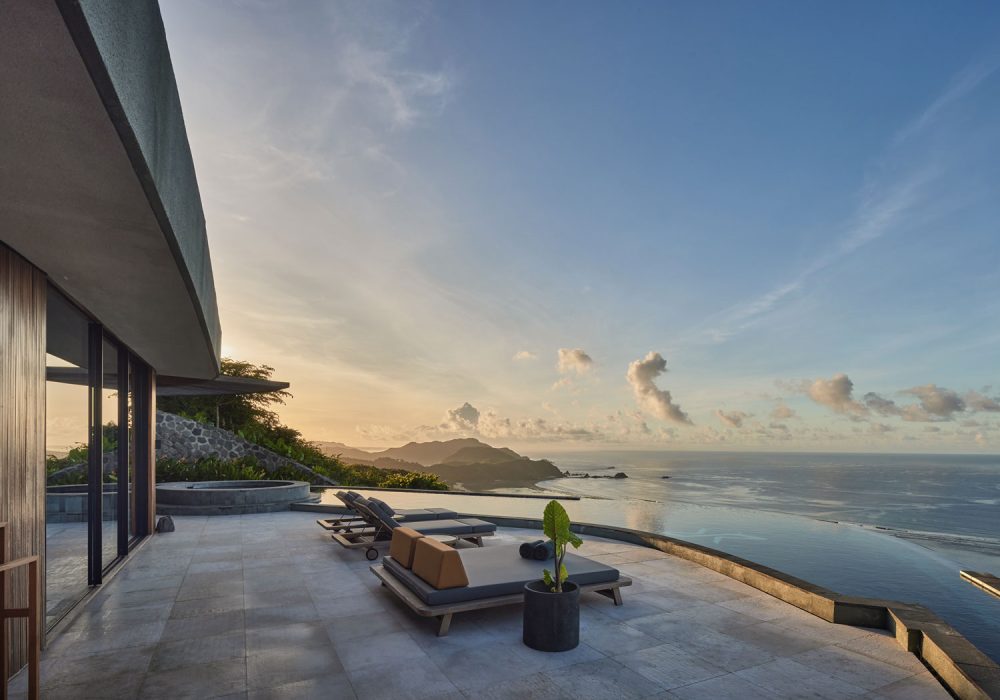
01. Understanding the Site
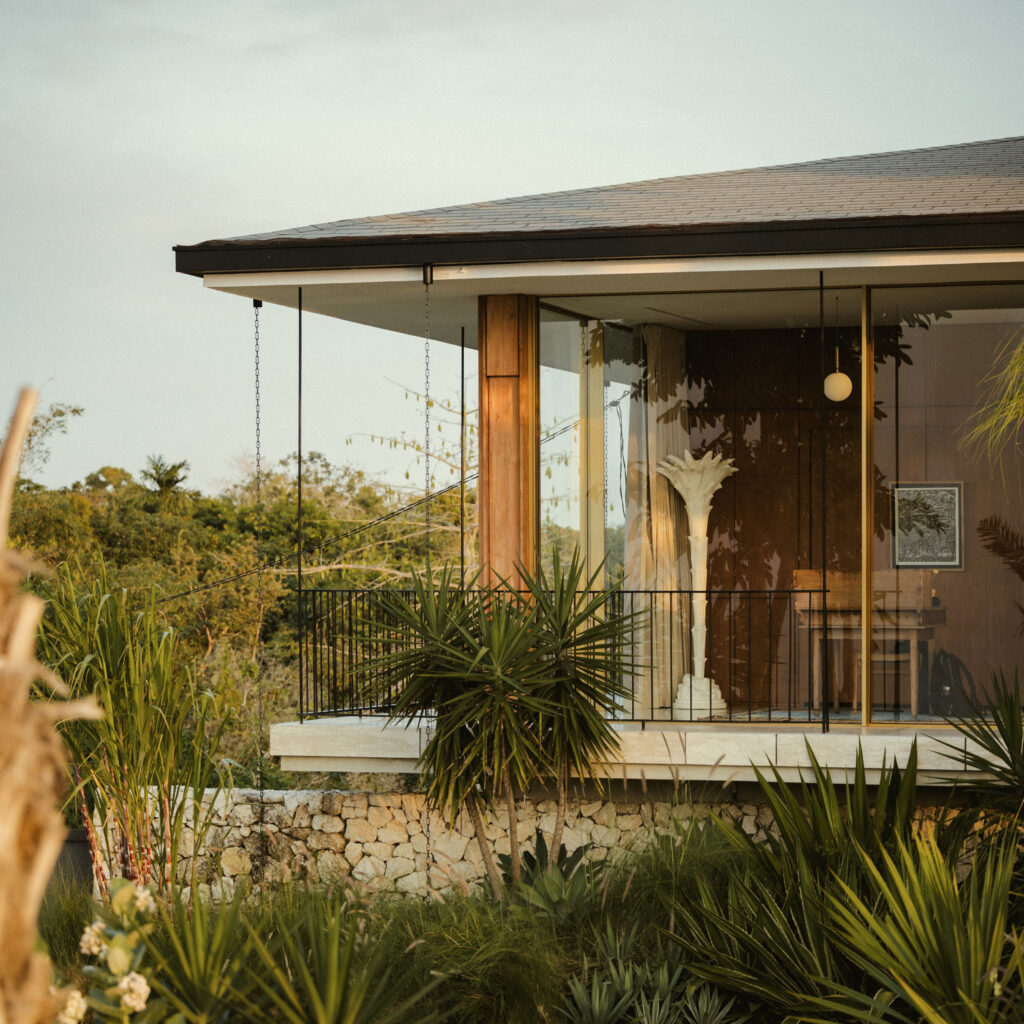
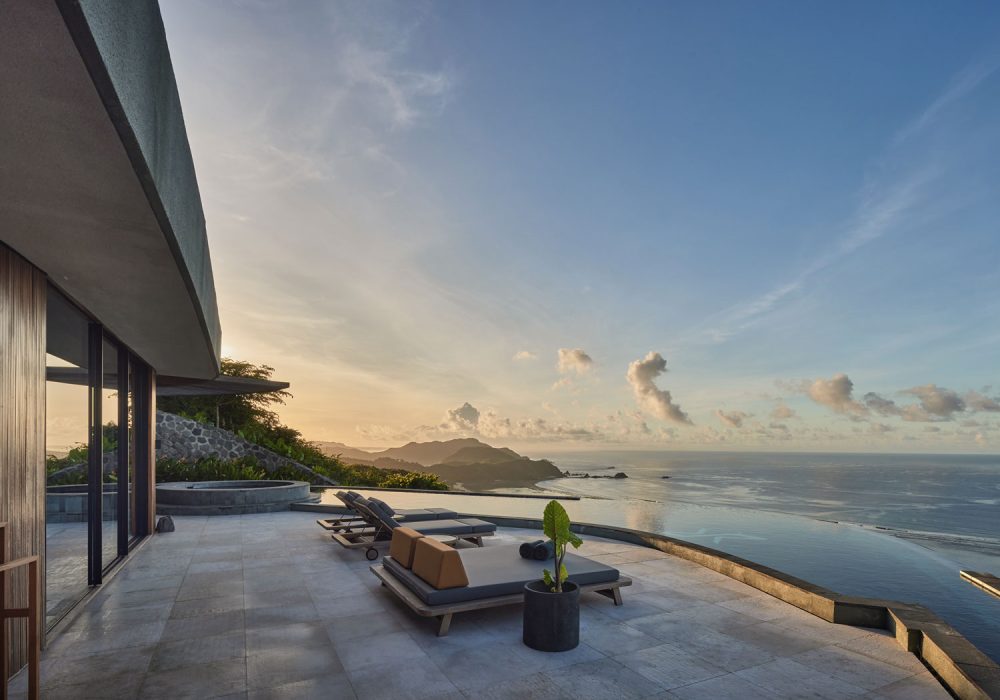
Every project begins with a detailed reading of the site, including topography, orientation, and surrounding landscape. In Lombok, this often means working with steep terrain, coastal exposure, and varying environmental conditions that influence early design decisions.
This stage establishes the foundation for the project, ensuring the architecture responds naturally to its setting rather than imposing a predefined form onto the land.

02. Defining the Brief
The brief is developed through close collaboration, aligning spatial requirements with the vision for the project. This includes understanding how the building will be used, who it is for, and the level of privacy or openness required.
In Lombok, projects often balance lifestyle, retreat, and functionality, requiring a brief that is both flexible and clearly defined from the outset.

03. Concept Development
Initial concepts explore massing, layout, and spatial relationships, shaped by both the brief and the site. Early ideas focus on how architecture can sit within the landscape while creating strong internal and external connections.
Multiple options may be tested to refine direction, ensuring the concept feels appropriate to both the environment and the intended use.

04. Spatial Planning
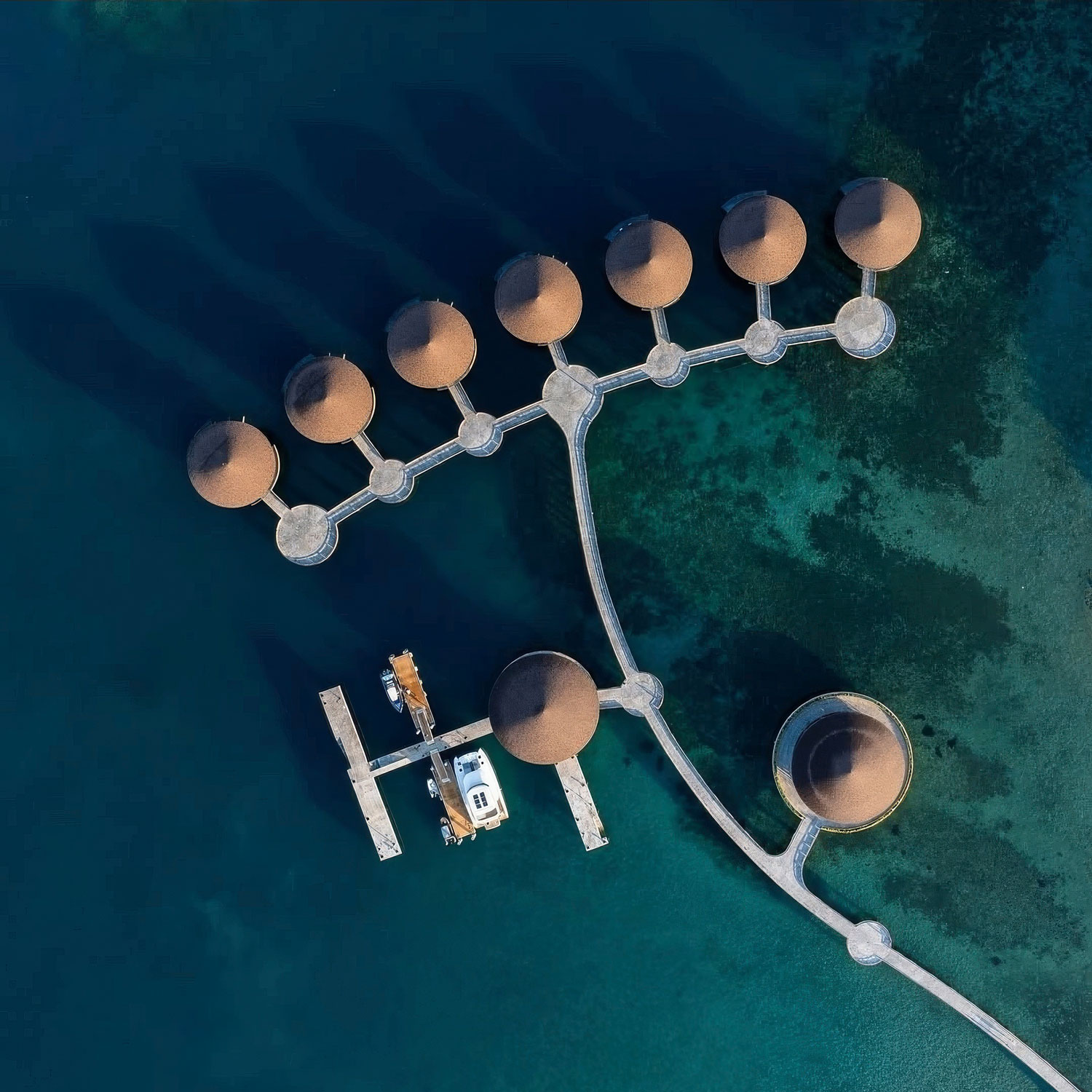
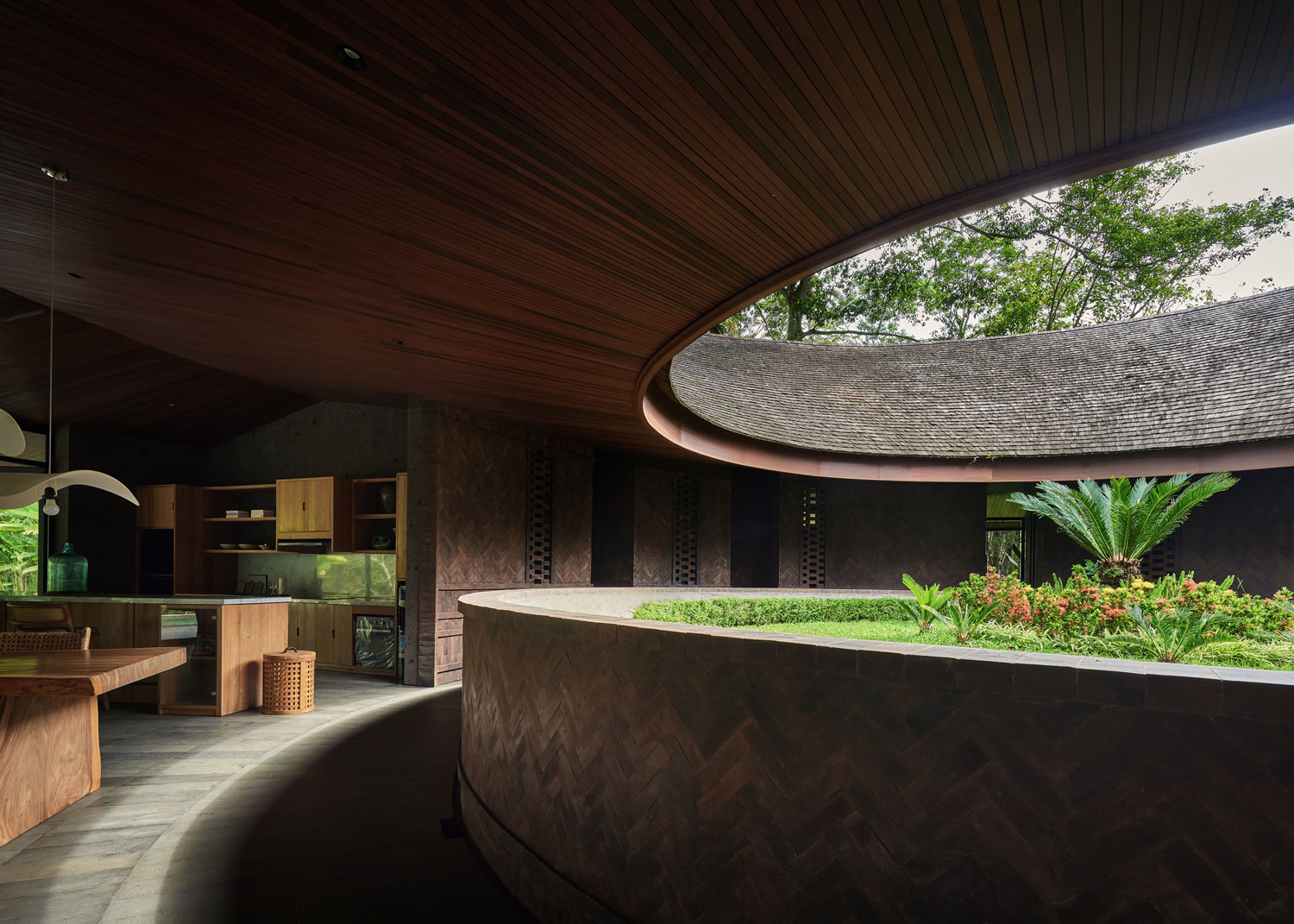
The layout is developed to organise movement, views, and transitions between spaces. Circulation, zoning, and the relationship between public and private areas are carefully considered to create a natural flow throughout the project.
This stage ensures that each space feels intentional, with clear connections between interior and exterior environments, particularly important in Lombok’s climate.

05. Material Strategy
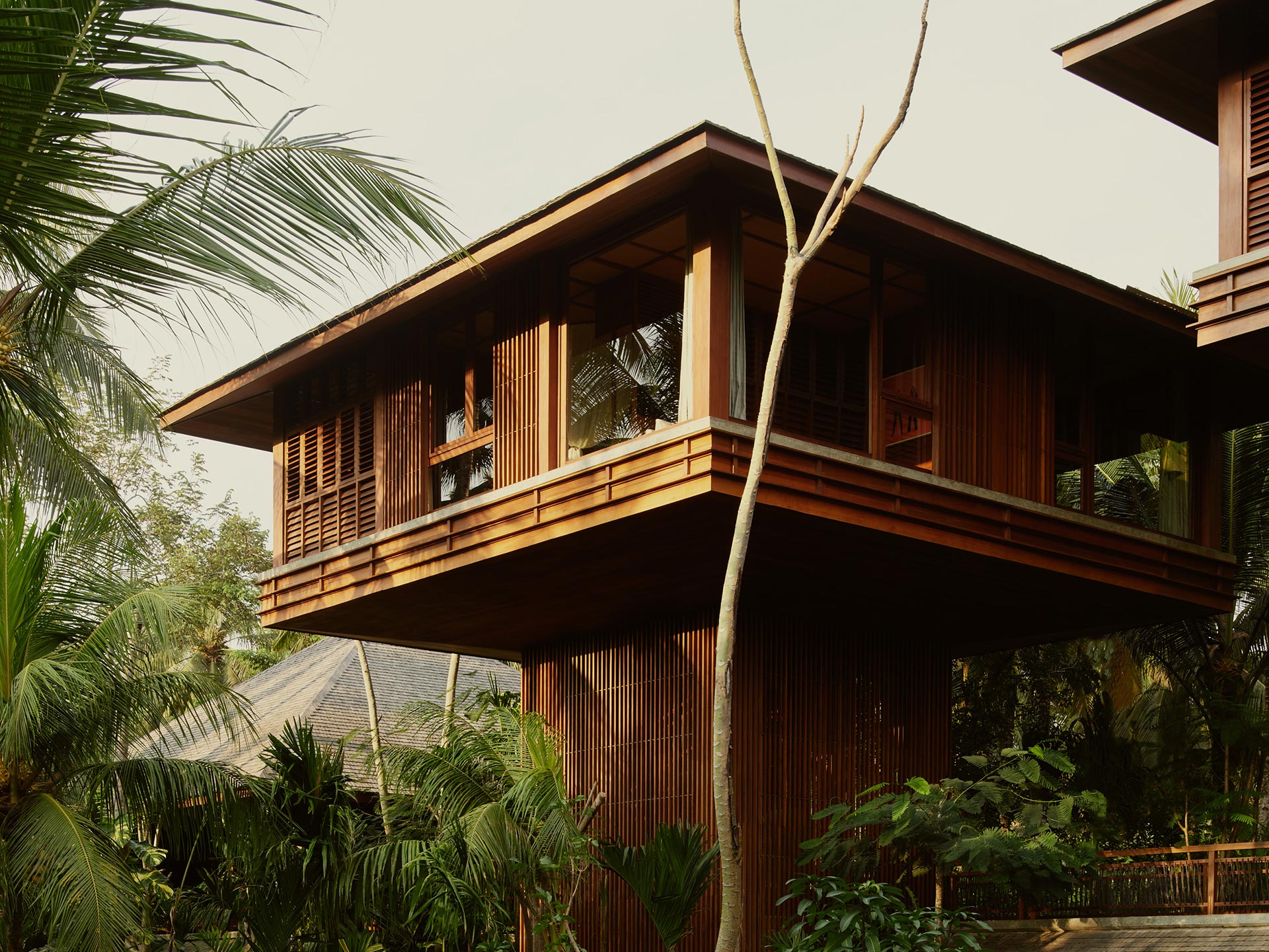
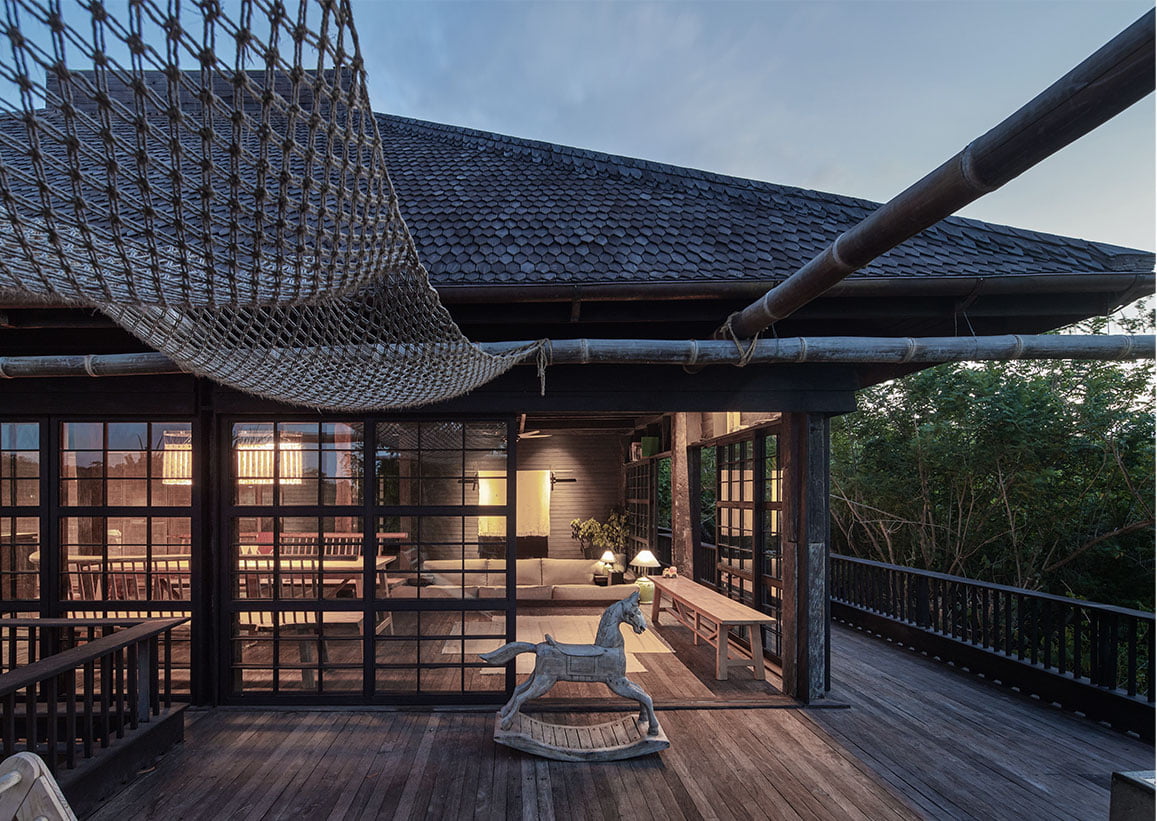
Materials are selected based on both aesthetic intent and environmental performance. Consideration is given to durability, local availability, and how materials will weather over time within Lombok’s coastal conditions.
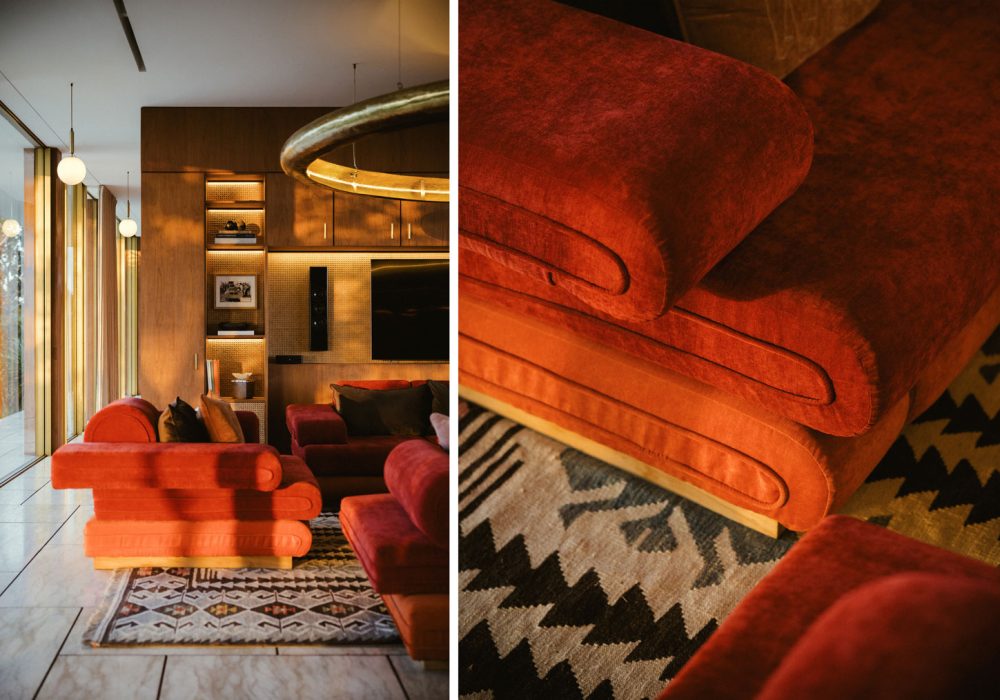
The goal is to create a cohesive palette that enhances the architectural concept while remaining practical and appropriate to the location.

06. Environmental Response
Design decisions are shaped by climate, including sun orientation, wind patterns, and ventilation. Passive strategies are prioritised to improve comfort and reduce reliance on mechanical systems where possible.
In Lombok, this often involves maximising natural airflow, providing shade, and creating spaces that adapt to changing environmental conditions throughout the day.

07. Detailed Design
The project is refined through detailed drawings and coordination, ensuring that all elements are resolved before construction. This includes structure, finishes, and key architectural features that define the final outcome.
Attention to detail is critical at this stage, maintaining design intent while ensuring the project can be delivered accurately on site.

08. Delivery and Realisation
During construction, the focus shifts to ensuring the design is executed as intended. This involves collaboration with contractors and ongoing review of progress to maintain quality and consistency.
Each project is realised with a clear understanding of the original concept, ensuring the final result reflects both the design vision and the specific conditions of the Lombok site.