Urban Analysis
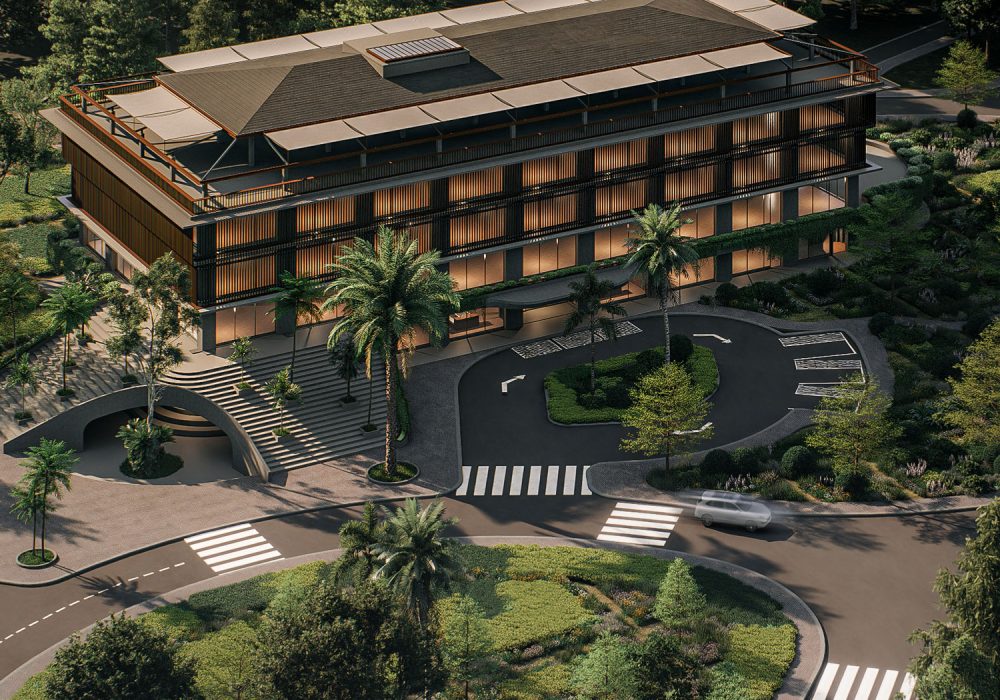
Every project begins with a rigorous assessment of site conditions, zoning regulations and surrounding density. In Jakarta, this includes evaluating access routes, neighbouring massing, privacy considerations, traffic flow and environmental exposure. We study solar orientation, prevailing winds and urban noise to understand both constraints and latent opportunities.
This intelligence informs early decisions on massing, setback strategy and spatial hierarchy. By grounding the project in contextual clarity, we ensure architecture emerges from informed response rather than imposed form.

Architectural Framework
Before shaping the final expression, we establish the architectural logic that governs the project. Structural systems, circulation sequences and environmental strategies are defined as an integrated framework that guides all subsequent decisions. This stage clarifies proportion, rhythm and spatial order.
By defining clear design principles early, the architecture retains coherence as complexity increases. The framework acts as a disciplined foundation, allowing refinement without losing conceptual strength.

Integrated Detailing
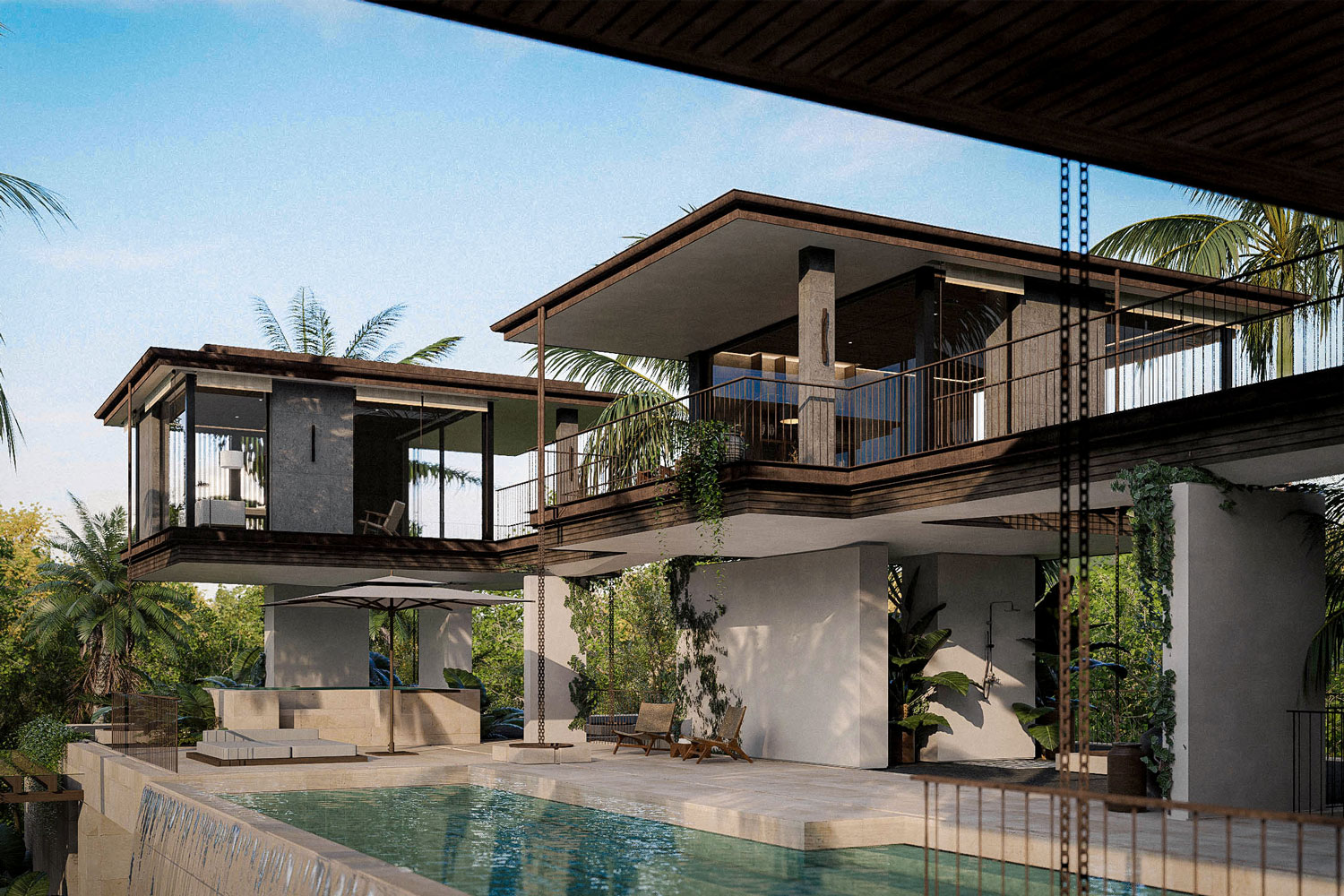
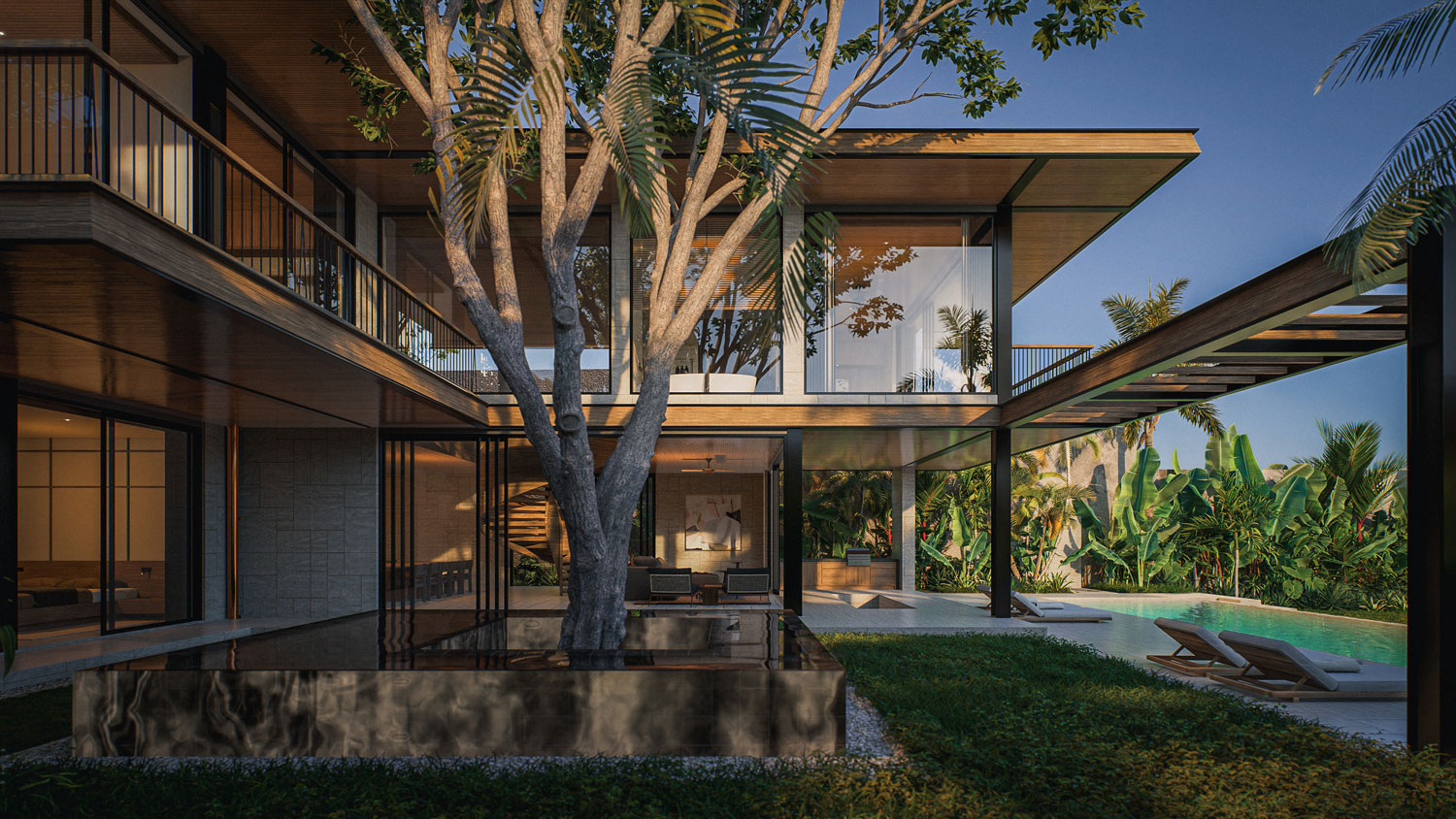
Architecture and interiors are developed as a unified system rather than separate layers. Facade articulation, shading devices, material transitions and joinery are coordinated from the outset, ensuring environmental performance and aesthetic clarity operate together.
Detail is treated as an extension of structure and concept. Through disciplined refinement, technical solutions become part of the architectural language, producing spaces that feel precise, resolved and materially confident.

Execution & Oversight
Delivering architecture in Jakarta requires close coordination within a demanding construction environment. We work collaboratively with local consultants, engineers and contractors to translate design intent into buildable reality without compromise.
Through consistent site engagement and technical review, we safeguard proportion, material quality and environmental performance. This oversight ensures the completed building reflects the clarity and discipline established from the earliest stages.

Spatial Planning
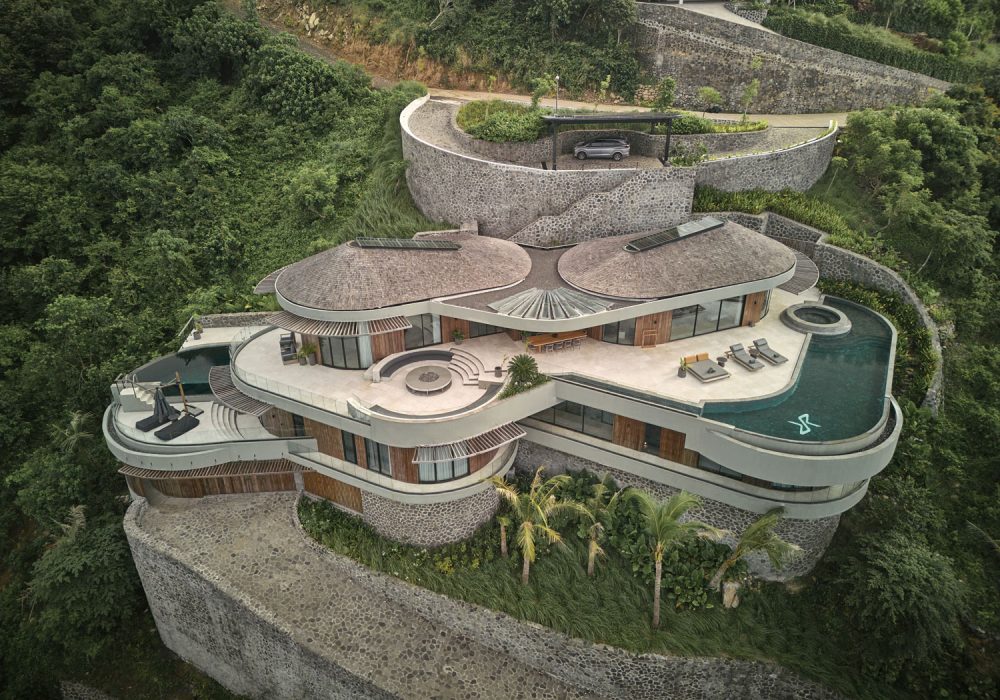
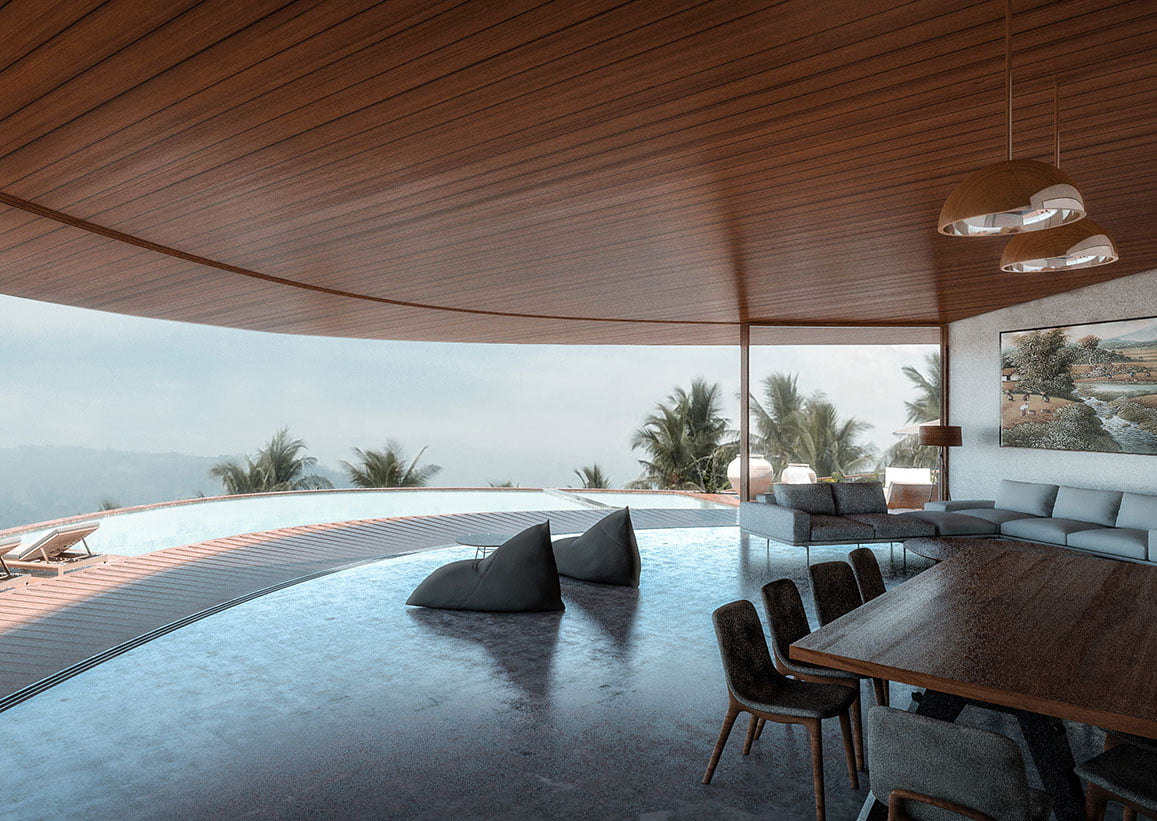
Spatial planning organises programme, circulation and privacy within dense urban constraints. Layouts are structured to balance openness with control, ensuring clarity of movement while maintaining separation between public, private and service areas.

Climate Response
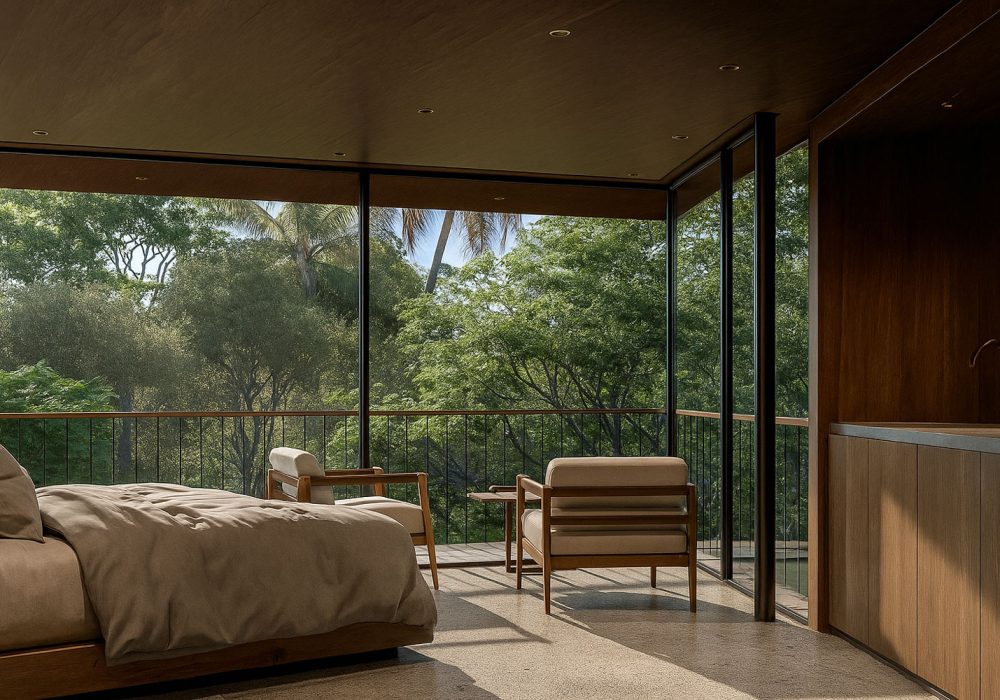
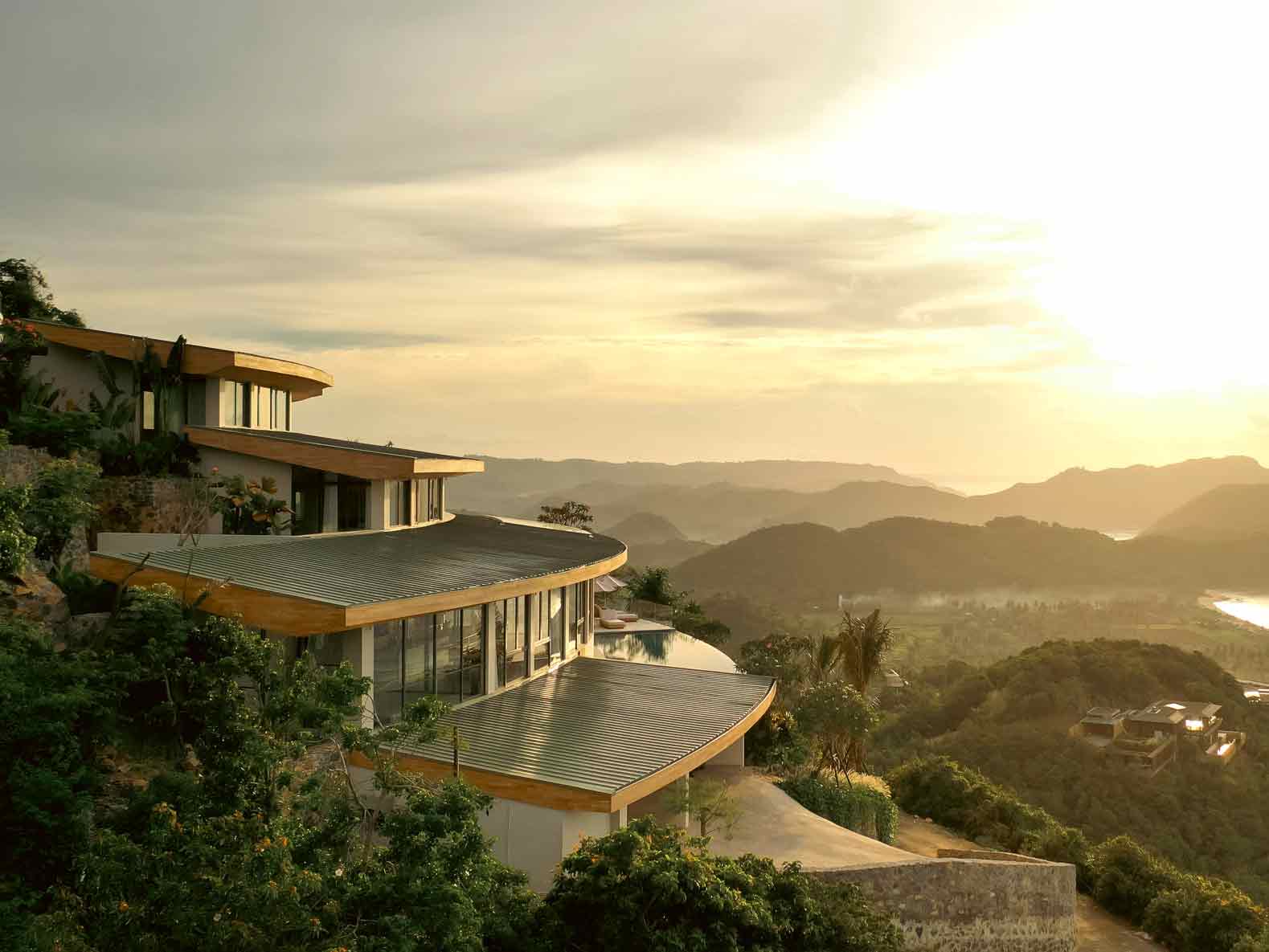
Climate response is embedded within the architecture through orientation, shading and facade articulation. Openings, overhangs and ventilation strategies are carefully calibrated to manage heat, rainfall and airflow in Jakarta’s tropical conditions.

Material Strategy
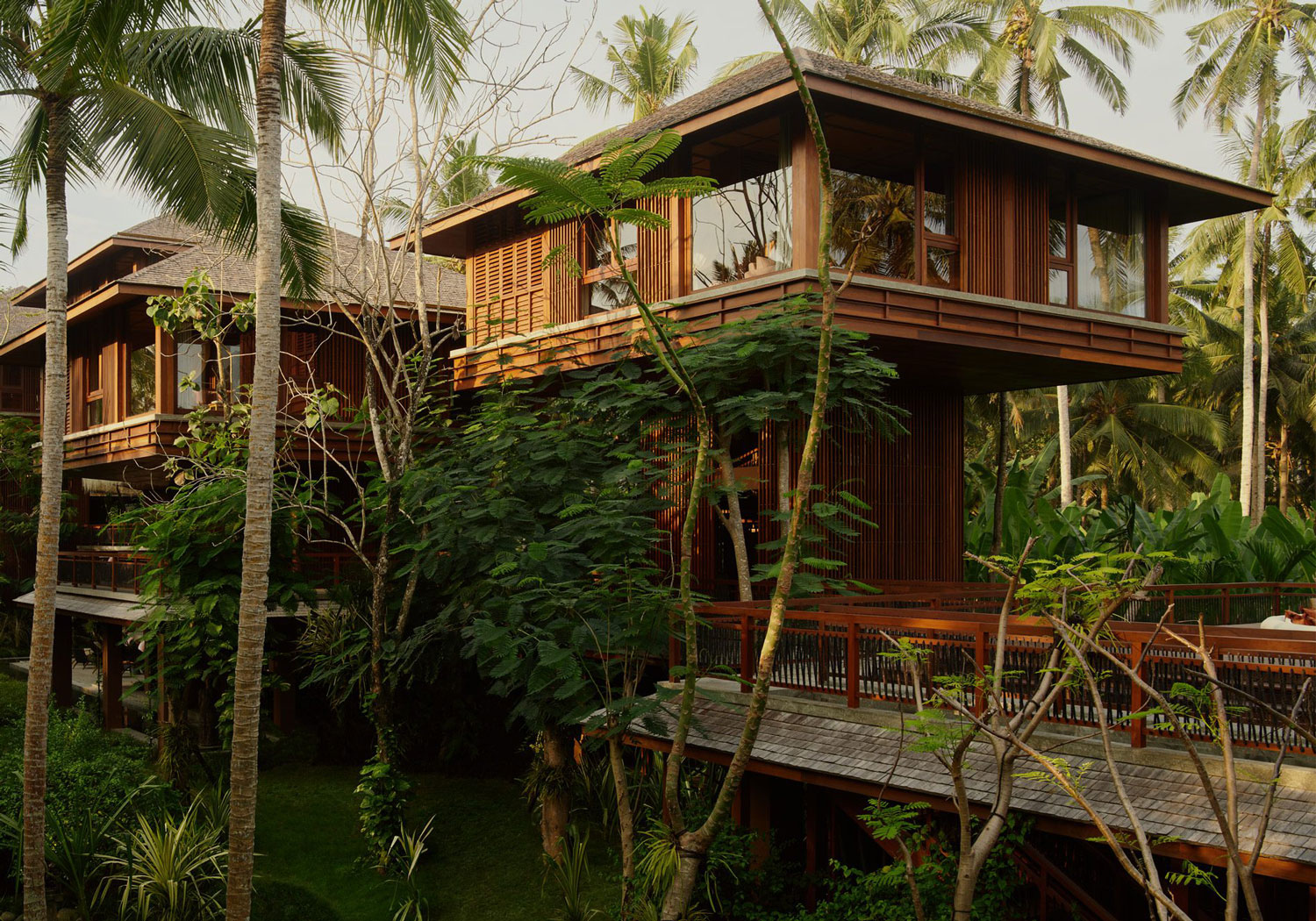
Material strategy focuses on durability, consistency and long-term performance. Selections are guided by environmental exposure, maintenance requirements and ageing, ensuring that architecture retains clarity and integrity over time.

Construction Coordination
Construction coordination maintains alignment between design intent and built outcome. Close collaboration with consultants and contractors ensures detailing, sequencing and execution are carried through with precision from concept to completion.